
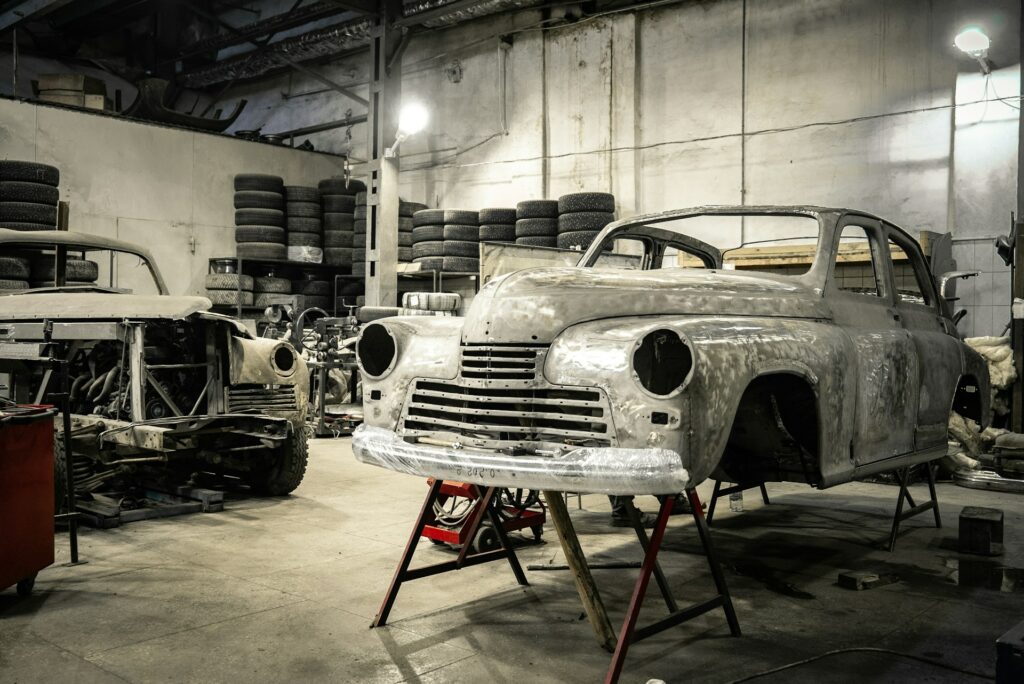
Patina Preservation: A Simple Guide to Smart Restoration
Old items develop a natural aged look called patina – those subtle marks, colors, and textures that show an object’s history. While it’s tempting to restore antiques to their original shine, sometimes less restoration is better.
Think of patina like the character lines on an elderly person’s face – they tell a story. When you over-restore an antique, you might accidentally erase important clues about how it was used and valued over time. Just as you wouldn’t want to completely sand away the weathered look of barn wood, some aging adds authenticity and value to historical pieces.
Smart preservation means: – Cleaning gently without removing natural age marks – Fixing only what’s necessary for stability – Keeping original finishes when possible – Documenting any restoration work done
This balanced approach protects both the object’s history and its value for future generations.
Understanding the Concept of Patina
Patina is the natural aging that gives objects character and beauty over time. Think of it as nature’s signature – like the blue-green coating on old copper roofs or the rich amber color of well-used wooden furniture.
When materials age, they react with air, moisture, and daily use to create unique surface changes. Metal develops protective layers, wood gains deeper colors, and stone takes on weathered textures. This process happens naturally and can’t be rushed:
• Copper turns blue-green • Silver darkens to gray • Bronze develops brown or black tones • Wood deepens in color • Leather becomes softer and gains rich tones
These changes protect materials while adding visual appeal. Many collectors value patina because it proves an object’s age and authenticity. It tells the story of where an item has been and how it’s been used throughout its life.
Unlike damage or wear, patina enhances an object’s value and character. It’s the difference between an antique with history and a newer reproduction.
The Historical Significance of Patina
Patina: The Natural Time Stamp of History
Patina shows us how old things are and what they’ve been through, much like wrinkles on human skin tell a life story. This natural aging process creates unique colors and textures on objects, helping historians understand how people lived and worked in the past.
Common Examples of Patina:
- Green-blue coating on old bronze statues – caused by rain and air exposure
- Dark spots on old coins – shows how many hands they passed through
- Smooth, worn spots on old wooden chairs – reveals where people sat most often
- Weather-worn building stones – marks decades of sun, rain, and wind
Each type of patina acts like a fingerprint, telling us: – When the object was made – How people used it – Where it was kept – What weather conditions it faced
Understanding patina helps collectors spot authentic antiques and lets historians piece together stories about daily life in different time periods. These natural marks matter because they prove an object’s age and history, making it more valuable and meaningful than perfect-looking replicas.
Differentiating Restoration From Preservation
Restoration and Preservation: Two Different Approaches to Protecting Historical Items
Restoration brings an old item back to its original condition, while preservation keeps it in its current state. These two methods serve different purposes in protecting historical objects.
Restoration means fixing and rebuilding damaged parts of an item to make it look or work like it did in the past. Think of restoring an old car: you might replace broken parts and repaint it to match its original appearance.
Preservation stops further damage without changing how something looks now. It’s like putting a protective coating on an old photograph to keep it from fading more, while keeping its aged appearance intact.
When caring for historical items, experts choose between these methods based on: – The item’s historical importance – Its current condition – How it will be used – What tells its story better
This choice directly affects how future generations will experience and understand these historical pieces.
The Risks of Over-Restoration
Restoring Historical Objects: Finding the Right Balance
Too much restoration can damage valuable historical items and make them lose their authentic character. Think of it like over-editing a vintage photo until it looks artificial – the same happens when we try too hard to make old objects look new again.
When restorers add new materials or change too many original parts, they erase important clues about an object’s history. The natural aging process creates a special surface layer called patina that tells us how the item was used and cared for over time. This weathered look actually adds value and charm to historical pieces.
Good restoration preserves history while bad restoration rewrites it. The key is to stabilize and protect artifacts without erasing the natural marks of time that make each piece unique and historically significant.
Historical Integrity Compromise
Historical Restoration: Finding the Right Balance
Too much restoration can damage the authentic character of historical buildings and artifacts. When preservers replace old materials or over-restore surfaces, they often lose the genuine historical value that makes these items special.
Common restoration mistakes that harm historical value: – Removing original paint layers – Replacing old stonework with new materials – Over-polishing aged wood surfaces – Installing modern fixtures that don’t match the period
Each scratch, dent, and weathered surface tells a story about how people used and lived with these objects over time. When restorers remove these marks, they erase important clues about the past.
Think of restoration like caring for an antique family photo – gentle cleaning helps preserve it, but too much editing makes it lose its authentic character and emotional connection to the past.
Best practices: – Document original conditions – Use minimal intervention – Keep original materials when possible – Preserve signs of age and use – Match historical techniques
Diminished Authenticity Value
Over-Restoration Reduces Historical Value
When restoring historical items, too much cleaning and repair can actually decrease their value by erasing important signs of age and history. Think of an antique furniture piece – its worn edges and natural aging tell a story that makes it special.
Modern restoration methods sometimes focus too much on making things look perfect and new, which can erase valuable historical evidence. Each scratch, patina, or mark on an old object is like a chapter in its history book. Once these marks are removed, that part of the story is lost forever.
Collectors and experts now value items that keep their original features, even if they’re not perfectly pristine. Original imperfections often make historical pieces more valuable than perfectly restored ones. This applies to everything from ancient artifacts to vintage cars – maintaining authentic wear and tear preserves both history and value.
Loss of Aesthetic Appeal
Too Much Restoration Can Harm Historical Objects
Restoring old artifacts requires a delicate touch – too much work can actually damage their beauty and value. When restorers get carried away, they often erase the special features that make each piece unique and historically significant.
Common problems from over-restoration include:
- Artificial Shine: Objects end up too shiny and new-looking, losing their authentic historical feel
- Lost Age Marks: Natural wear and aging patterns disappear under aggressive treatments
- Loss of Character: Distinctive details vanish, making unique pieces look generic
- Modern Mistakes: New materials and methods clash with the original time period
The best approach? Less is more. Gentle restoration preserves both the look and history of valuable artifacts. Focus on stabilizing and protecting pieces rather than making them look brand new. This keeps their authentic character while preventing further damage.
Evaluating the Value of Authenticity
Why Authenticity Matters
Original objects and artifacts tell us real stories about our past. Think of an antique family photo – its worn edges and faded colors show its journey through time. This genuine wear makes it more valuable than a perfect reproduction.
When we restore old items, we face a key choice: Should we make them look new, or keep their age-visible character? While fixing damaged pieces helps them last longer, too much restoration can erase important historical clues. A carefully repaired ancient vase with visible cracks carries more historical truth than one that’s been made to look factory-fresh.
People connect deeply with authentic objects because they provide direct links to history. Running your fingers across a centuries-old wooden table or holding a vintage tool creates a personal connection to past generations that perfect replicas simply can’t match.
Historical Context Importance
Why Historical Context Matters
Historical context helps us understand why old things are valuable and what they can teach us about the past. When we examine historical items, we look at four key things:
- How it was made – The methods and skills craftspeople used tell us about their expertise and available tools.
- Time-specific details – The unique features that show when something was created help spot real artifacts versus copies.
- Local conditions – The materials used often reveal what resources were available and how climate affected choices.
- Important events – Major happenings during an object’s creation shape its story and significance.
Looking at these elements helps preserve history accurately and shows why authentic items matter. This knowledge connects us directly to past cultures and traditions, making history more meaningful for everyone.
Tips for Understanding Historical Context: – Compare items to others from the same time period – Research the area and era where it was made – Look for signs of natural aging – Check if historical events match the object’s features
Authenticity vs. Modern Standards
Balancing Old and New: How Historical Items Meet Modern Needs
Historical objects face a constant challenge: staying true to their original form while meeting today’s standards. This tension shows up in museums, antique collections, and restoration projects worldwide.
Authentic historical items tell us important stories through their materials, craftsmanship, and design. Think of an ancient wooden chair – its worn surface and hand-carved details reveal how people lived and worked centuries ago. But modern users might want that chair reinforced for safety or comfort.
Restoration experts must make careful choices. Should they: – Keep all original features, even damaged ones? – Fix items to make them usable today? – Find a middle ground?
The best approach usually preserves key historical features while making minimal changes for modern use. For example, strengthening weak joints in antique furniture without changing its appearance, or adding subtle support systems to ancient buildings that don’t affect their historic look.
Success means respecting both history and current needs. The goal is to keep the object’s story alive while ensuring it remains relevant and useful for today’s world.
Emotional Connection Impact
Real historical objects create powerful emotional connections because they let us physically touch and experience the past. These authentic items work like time machines, helping us feel personally connected to history.
What makes authentic artifacts so special: – They tell real stories: Each scratch, dent, and mark shows how people actually used these objects – They’re one-of-a-kind: No two historical pieces are exactly alike, making each one special – They show real craftsmanship: You can see and feel how people made things by hand long ago – They connect us directly: Holding something from the past helps us understand the people who used it
The power of authentic artifacts comes from their ability to make history feel real and personal. When you hold a genuine historical object, you create a direct link to the people who lived before us, helping you understand their lives and experiences in a way books alone can’t match.
This physical connection to history makes authentic items valuable teaching tools and powerful reminders of our shared human story.
Case Studies: Patina in Architecture
Patina gives buildings character and tells their unique stories through natural aging. The most famous examples show how time transforms building materials into beautiful, historic landmarks.
The Berlin Cathedral’s copper roof turned from brown to blue-green over time. This natural color change happens when copper reacts with air, creating its distinctive green coating.
Venice’s Palazzo Ducale shows how sea air affects stone buildings. Its pale Istrian stone walls have weathered naturally, creating subtle patterns that highlight the building’s Gothic design.
The Statue of Liberty offers the most recognizable example of patina. Its copper surface turned green from exposure to air and sea spray, creating the iconic color we know today. This natural aging process actually protects the statue’s metal surface.
These buildings prove that patina does more than just age materials – it adds beauty and history to architecture while protecting the structures underneath.
The Role of Patina in Art Conservation
Patina’s Role in Art: A Simple Guide
Patina, the natural aging layer on art objects, helps experts determine an artwork’s age and confirm if it’s genuine. This surface change happens naturally over time and tells important stories about how art pieces were used and cared for throughout history.
Common examples of patina include: – Green layers on old bronze statues – Yellowed varnish on old paintings that adds richness – Brown surface layers on ancient clay pots – Golden-brown coloring on aged wooden objects
Art experts now protect these natural aging marks instead of removing them. Patina adds both beauty and historical value to artwork, making it an essential part of art preservation. Modern conservation focuses on keeping patina intact while preventing further damage to the artwork.
This natural aging process helps: – Prove an artwork’s age – Show how it was used – Create unique surface effects – Preserve historical evidence
Conservators balance protecting the artwork while maintaining its natural aged appearance, ensuring future generations can appreciate both its beauty and history.
Guidelines for Responsible Restoration
Restoring Artwork: A Simple Guide
Good art restoration protects both the artwork and its history. Think of it like caring for a valuable family heirloom – you want to fix what’s broken while keeping its original character intact.
Key restoration principles: • Use materials that work well with the original artwork • Document every repair step with photos and notes • Make repairs that can be safely undone if needed • Choose eco-friendly methods and materials • Research the artwork’s background before starting
The best restorations make minimal changes. Just like fixing an antique chair, you want to repair only what’s necessary without making it look brand new. This careful approach keeps the artwork’s age-earned character while preventing further damage.
Every restoration step should protect the artwork’s value, history, and craftsmanship for future generations to enjoy.
Embracing the Beauty of Imperfection
Finding Beauty in Wear and Age
Every old piece of art or furniture carries its own special story through its imperfections. When restoring artwork, experts now value these natural signs of aging instead of trying to hide them completely. These marks and changes make each piece unique and meaningful.
Natural aging creates character: – Wood darkens and shows grain patterns from years in the sun – Colors naturally fade, creating soft, appealing tones – Small cracks in finish reveal the artwork’s history – Smooth, worn edges show how many people have handled and loved the piece
These natural changes add value and charm to old pieces. Rather than seeing them as flaws, we can appreciate how time transforms art into something even more special. Each mark tells part of the object’s journey through history, making it more interesting than a perfectly preserved piece.
Think of these imperfections like laugh lines on a face – they don’t reduce beauty, they add character and show a life well-lived. This approach helps us see aging in art as a natural process that makes each piece one-of-a-kind.
Frequently Asked Questions
How Can I Identify Patina on Antiques?
Patina shows up as natural aging on antique surfaces, creating unique colors and textures that develop over time. Look for these key signs:
- Even discoloration that matches the item’s age
- Smooth, worn areas where hands touched the piece
- Dark spots in crevices and corners
- A slightly dull surface that’s not too shiny or perfect
Real patina can’t be faked quickly – it develops naturally over many years. Test suspicious areas by gently rubbing with a soft cloth – fake patina often comes off, while genuine patina stays put. Old wood develops a warm, mellow tone, while metals take on blue-green or brown colors depending on the material.
Focus on areas that would naturally wear from use. Drawer handles, table edges, and chair arms should show consistent aging patterns that match the piece’s claimed age and use.
What Are Common Mistakes in Amateur Restorations?
Common mistakes in amateur restoration projects damage valuable items in three main ways:
- Harsh cleaning methods strip away original surfaces and historical wear
- Removing authentic finishes that give pieces their character and value
- Poor storage leading to heat, moisture, and light damage
Amateur restorers often scrub too hard, use the wrong cleaning products, or try to make old items look “like new” – which actually reduces their worth. Think of patina (the natural aging of surfaces) like wrinkles that tell a story – removing it erases history. To protect items during restoration:
- Use gentle cleaning methods
- Keep original finishes when possible
- Store items in climate-controlled spaces away from direct sunlight
- Document the item’s condition before starting any work
- Research proper techniques for specific materials
Are There Cultural Differences in Valuing Patina?
Different cultures value patina in unique ways. Eastern cultures like Japan often celebrate the natural aging of objects, seeing worn surfaces and old materials as beautiful signs of history. Western cultures sometimes prefer things to look new and pristine.
For example, Japanese tea bowls with visible wear marks are considered more valuable because they show years of careful use. In contrast, many Americans might refinish an old wooden table to make it look new again.
These differences show up in everyday life: – Japanese wabi-sabi values the beauty in aging – European antique collectors prize original patinas on furniture – Modern societies often prefer shiny and new appearances – Traditional cultures tend to keep original surfaces intact
Understanding these cultural views helps explain why some people carefully preserve aged surfaces while others restore them to look new.
How Does Patina Affect an Item’s Market Value?
Patina affects an item’s value in two main ways: it proves age and authenticity, and it can make items more attractive to collectors. This natural aging process creates a distinctive surface layer that appears on materials like bronze, copper, and wood over time.
For antiques and collectibles, the right kind of patina increases value by showing the item’s genuine age and proper care. Collectors often pay more for items with even, attractive patina compared to pieces that look too new or have been artificially aged.
Not all patina helps value, though. Damage, rust, or poor storage conditions can create unwanted patina that reduces an item’s worth. Smart collectors learn to tell the difference between valuable natural aging and harmful deterioration.
Can Patina Be Artificially Created or Enhanced?
Yes, patina can be artificially created and enhanced through several methods. Artists and craftspeople regularly use chemical treatments and controlled weathering to create the aged, weathered look of natural patina on metals, wood, and other materials.
Common artificial patina techniques include: – Chemical solutions that speed up oxidation – Heat treatments to change metal coloring – Acid washes for stone and concrete – Specialized aging stains for wood
The results can closely match natural patina, though experts can often spot artificial treatments. The key difference is that natural patina develops slowly over many years, while artificial methods create similar effects in hours or days.
For best results, artificial patina should: – Use appropriate chemicals for the material – Follow proper safety procedures – Apply treatments evenly – Allow adequate drying time
These methods help create authentic-looking aged finishes for restoration work, decorative pieces, and architectural elements.