
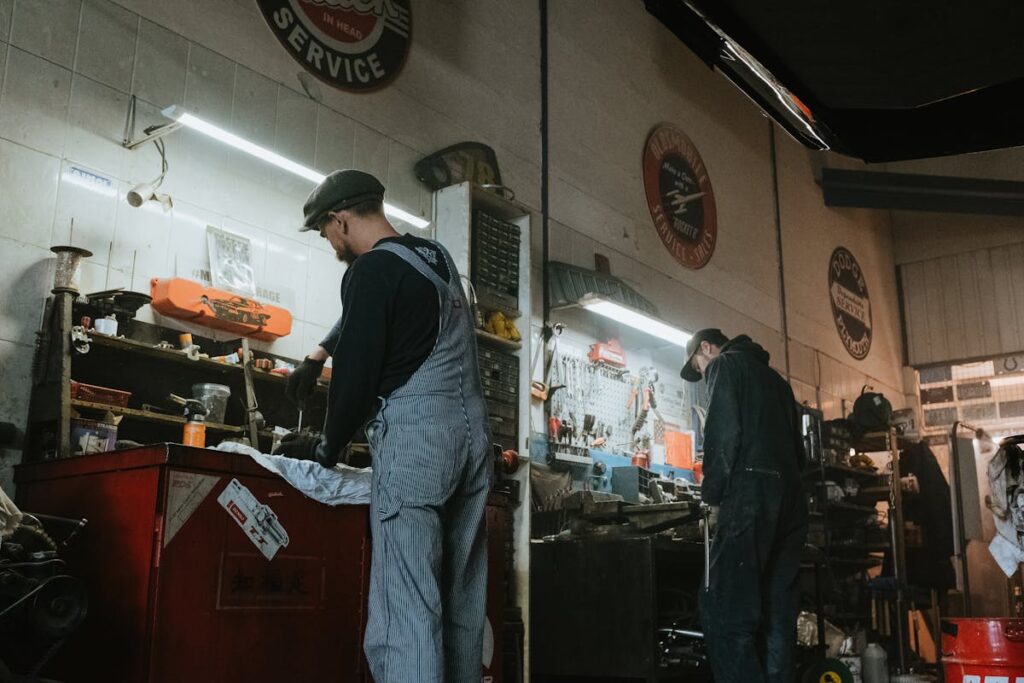
Finding Skilled Labor for Restoration Services
The best ways to find skilled restoration workers combine online recruiting, trade school partnerships, and strong compensation packages. Let’s break down each proven method:
Online Job Platforms Post clear job listings on specialized trade websites like ZipRecruiter and Indeed. Include specific restoration skills needed, such as water damage repair, mold remediation, or structural drying. List exact pay ranges and benefits to attract serious candidates.
Trade School Connections Build relationships with local vocational schools and IICRC training centers. These partnerships create direct paths to qualified restoration technicians and help you spot promising talent early.
Competitive Pay and Benefits Offer above-market wages, health insurance, and growth opportunities. Top restoration workers look for companies that value their skills through fair compensation and clear advancement paths.
Training Programs Create in-house training to develop new hires into skilled restoration professionals. Partner experienced staff with newcomers and provide IICRC certification opportunities. This builds loyalty while expanding your skilled workforce.
Industry Networking Join restoration industry groups and attend trade shows to connect with experienced professionals. Use these connections to find referrals and stay updated on industry wage standards and training requirements.
Understanding the Current Labor Market
Labor Market Challenges in Restoration Services
The restoration industry needs more workers, plain and simple. Companies are struggling to find enough skilled people to keep up with growing customer demand for services like disaster cleanup and environmental repairs.
Why the Shortage? More homeowners and businesses want restoration services, but there aren’t enough trained workers to do the jobs. New technology and changing work preferences have created a gap between available positions and qualified candidates.
What Companies Are Doing Smart businesses are taking action by: • Offering better pay and benefits • Creating in-house training programs • Using new tools and technology to work more efficiently • Partnering with trade schools to recruit fresh talent
The solution involves both short-term fixes (competitive wages) and long-term planning (workforce development). Companies that adapt quickly to these labor market changes will have the best chance of success in today’s restoration industry.
Identifying Key Skills and Qualifications
Key Skills for Restoration Professionals
Professional restoration workers need three main skills: hands-on expertise, proper certifications, and real-world experience. Top restoration experts combine practical skills like water damage repair, mold removal, and structural renovation with industry-required licenses and certifications.
Essential Skills: • Damage assessment and repair techniques • Safety protocol knowledge • Project management abilities • Equipment operation expertise • Customer service skills
Required Certifications: • IICRC (Institute of Inspection Cleaning and Restoration Certification) • State-specific restoration licenses • OSHA safety certifications
Experience matters most in specialized areas like: • Water damage restoration • Fire and smoke cleanup • Mold remediation • Structural drying • Emergency response services
These skills help restoration professionals tackle complex projects while meeting industry standards and keeping customers safe and satisfied.
Essential Restoration Techniques
Essential Restoration Techniques Made Simple
Good restoration work needs five basic skills that anyone can learn. First, you need to spot damage correctly – like finding where water has leaked or where mold is growing. Second, you must know how to dry things properly using fans and dehumidifiers. Third, learn to clean mold safely and thoroughly.
Equipment knowledge is key. You’ll use tools like moisture meters and air scrubbers regularly. While these tools might seem complex at first, they’re straightforward once you understand their basic functions.
Clear communication completes the picture. Keep clients informed about what you’re doing, how long it will take, and what results they can expect. This builds trust and prevents misunderstandings.
Remember: Restoration work combines hands-on skills with problem-solving. Each project teaches you something new, helping you handle future challenges better.
Certification and Licensing Requirements
Certification and Licensing: Your Guide to Professional Restoration Work
Getting certified and licensed proves you have the right skills to do restoration work safely and effectively. Think of these credentials as your professional toolbelt – they show clients you know what you’re doing.
To become certified, you’ll need to: • Complete specific training programs • Pass industry-standard tests • Keep up with yearly training updates • Follow local and state regulations
Licensing requirements vary by location but typically include: • Background checks • Insurance coverage • Documented work experience • Regular permit renewals
Both certification and licensing help protect you and your clients. They ensure you’re up-to-date with the latest restoration methods, safety standards, and building codes. Many insurance companies and contractors won’t hire unlicensed restoration professionals, making these credentials essential for business success.
Regular training keeps you sharp and ready to handle any restoration challenge, from water damage to historic preservation. This ongoing education isn’t just about checking boxes – it’s about delivering better results for your clients.
Experience in Specific Areas
Real-World Experience Matters in Restoration Work
Hands-on experience directly impacts success in restoration services. Professionals need practical skills in specific areas like water damage repair, fire cleanup, or mold removal to deliver quality results. These skills come from actually doing the work, not just studying it.
Training Makes the Difference
Good restoration companies provide targeted training programs that teach both basics and advanced techniques. Workers learn to use specialized tools, follow safety procedures, and handle different types of damage. This practical training helps teams tackle various restoration projects confidently.
Skills That Count: – Water damage control and drying methods – Fire and smoke cleanup techniques – Mold detection and safe removal – Equipment operation and maintenance – Emergency response procedures
Companies should look for workers who combine hands-on experience with ongoing training. This mix creates restoration experts who can handle any challenge while delivering consistent, high-quality results for customers.
Leveraging Online Job Platforms
Finding and Hiring Restoration Workers Online
Online job platforms make hiring restoration workers simpler and more effective when you know how to use them right. Start by using industry-specific job sites like RestoreStaffing or ServiceMaster’s career portal, which connect you directly with experienced restoration professionals.
Write clear job posts that tell it like it is. List exactly what you need: water damage experience, IICRC certifications, or equipment knowledge. Add real details about the work – like handling emergency calls or working with insurance companies.
Screen candidates by checking their actual restoration experience, certifications, and availability for emergency work. Look for people who understand moisture readings, know mold remediation basics, and can handle physical demands. Quick response times and local availability matter most in restoration work.
Identifying Niche Platforms
Finding the Right Job Sites for Restoration Work
Smart hiring in restoration services starts with knowing where to look online. The best candidates often gather in specific corners of the internet where industry professionals connect and share knowledge.
Top Places to Find Restoration Talent:
Niche Job Sites – RestaurantJobs.com for restaurant restoration – ConstructionJobs.com for building restoration – PreservationDirectory.com for historic preservation work
Professional Groups – LinkedIn restoration industry groups – Facebook restoration professional communities – Local trade association job boards
Online Meeting Spots – Industry-specific Discord channels – Reddit’s restoration communities – Regional contractor forums
Tips for Better Results: – Post jobs where restoration experts actually spend time – Use industry-specific keywords in job listings – Connect with active community members – Share your expertise to build credibility – Follow industry leaders and their networks
These targeted platforms connect you directly with qualified candidates who understand restoration work and have relevant experience. Regular participation in these communities helps build your company’s reputation and attracts better talent.
Crafting Effective Job Listings
Writing Job Listings That Get Results
A good job listing acts like a magnet for the right candidates. Write clear, straightforward descriptions that tell potential employees exactly what the job involves and what skills they need. Think of it as a recipe – list all the important ingredients (responsibilities) and required skills (qualifications) upfront.
Make Your Listing Stand Out Online
Use industry-specific keywords that match what job seekers actually type into search engines. For restoration jobs, include terms like “water damage,” “mold remediation,” or “disaster recovery” near the top of your listing. Break the text into short, scannable chunks with bullet points for key requirements.
Show Your Company’s Personality
Add a brief section about your company culture and values. This helps candidates picture themselves working with you. Keep it real and specific – instead of saying “dynamic environment,” describe actual team activities or workplace benefits. End with a clear call to action telling candidates exactly how to apply.
Practical Tips: • Use job titles people search for • List salary range when possible • Highlight must-have vs. nice-to-have skills • Include location and work schedule details • Keep requirements focused on what’s truly essential
Screening Qualified Candidates
Finding the Right Candidates Through Smart Screening
Online job platforms help hiring managers quickly identify qualified candidates for restoration service positions. These tools make the hiring process faster and more accurate through simple, effective screening methods:
Quick Filtering – Sort applications by must-have skills and years of experience – Focus on candidates who match your core requirements – Save time by automatically filtering out unqualified applicants
Smart Screening Tools – Let technology match resumes to your job requirements – Use video calls for first interviews to assess communication ability – Check ratings and reviews from previous employers
Comparison Features – View multiple candidates side-by-side – Compare key qualifications at a glance – Make data-driven hiring decisions based on clear criteria
This streamlined approach helps restoration companies hire qualified staff faster while reducing the risk of poor hiring decisions. Each screening step builds confidence that you’re selecting the best person for the role.
Building Partnerships With Trade Schools
Trade School Partnerships: A Win-Win Solution
Teaming up with trade schools helps restoration companies find skilled workers while giving students clear career paths. These partnerships make perfect sense – companies get qualified employees, and schools prepare students for real jobs.
Companies can help shape what students learn by: • Providing input on essential job skills • Offering hands-on training opportunities • Creating internship programs • Running workshops about restoration careers
Students benefit from: • Learning exactly what employers need • Getting real work experience • Making industry connections • Having job opportunities lined up before graduation
These partnerships create a direct pipeline from classroom to career. Companies connect with trained workers who understand the restoration industry, while students graduate with practical skills and job prospects. The result: more qualified professionals entering restoration services with the right training from day one.
Utilizing Social Media for Recruitment
Finding Great Workers Through Social Media
Social media helps restoration companies find and hire skilled workers quickly and effectively. Popular platforms like LinkedIn, Facebook, and Instagram connect employers directly with job seekers in the restoration field.
Simple steps to attract qualified candidates: – Run targeted job ads on social media to reach people with specific skills – Share real stories and photos of your team at work – Post job openings in restoration industry groups – Ask current employees to share job posts with their connections – Join and participate in online discussions about restoration work
Each social platform offers unique benefits: – LinkedIn: Connect with experienced professionals – Facebook: Reach local workers through community groups – Instagram: Show your company culture through photos and videos
This direct approach to social media recruiting saves time and money while helping you find workers who match your needs. Keep posts clear, authentic, and focused on what makes your company a great place to work.
Offering Competitive Compensation and Benefits
Fair Pay and Benefits Make a Big Difference
A strong pay and benefits package helps companies attract and keep great employees in the restoration industry. The key is offering the right mix of salary and perks that matter to workers.
Competitive pay starts with market-rate salaries but should include performance bonuses and profit-sharing opportunities. Smart companies also offer practical benefits that improve daily life: – Health insurance and retirement plans – Paid time off and flexible schedules – Recognition programs and growth opportunities
When employees feel valued through fair compensation and useful benefits, they’re more likely to stay with the company and do their best work. This creates a stable, skilled workforce that helps the business succeed.
Good benefits aren’t just nice extras – they’re essential tools for: – Building employee loyalty – Reducing turnover costs – Creating a positive work culture – Staying competitive in the job market
Creating Apprenticeship and Training Programs
Building a Strong Workforce Through Training and Apprenticeships
Training programs and apprenticeships create skilled workers who deliver quality restoration work. A well-designed program helps both your company and employees grow together. Here’s how to build an effective training system:
- Learn Multiple Skills: Train workers to handle different jobs, from water damage to mold removal. This makes them more valuable team members.
- Reward Learning: Give bonuses when workers earn certifications. This motivates them to keep improving.
- Partner Up: Match new workers with experienced pros who can teach them the trade.
- Practice Makes Perfect: Set up real-world training sessions where workers can practice restoration techniques.
- Track Progress: Check how workers are doing monthly to make sure training works.
These simple steps create capable workers who know how to handle any restoration challenge. Good training leads to better work quality, happier customers, and stronger business growth.
Networking Within Industry Associations
Industry Associations: Your Network for Business Growth
Joining and networking through industry associations is one of the best ways restoration businesses can find skilled workers and grow their expertise. These groups connect you directly with experienced professionals who know the field inside and out.
Want to make the most of industry associations? Start by: – Attending conferences and trade shows – Joining online discussion groups – Participating in training sessions – Meeting other business owners face-to-face
These connections help you: – Find qualified employees faster – Learn new industry techniques – Share knowledge with other professionals – Stay updated on market trends – Build partnerships for bigger projects
Active participation in these networks puts you in touch with exactly the right people when you need to hire. Plus, the relationships you build often lead to business opportunities and ways to improve your services. Think of industry associations as your direct line to the best talent and latest knowledge in restoration work.
Retaining Talent Through a Positive Work Environment
A Positive Work Environment: Essential Keys to Keeping Great Employees
Creating an upbeat workplace directly impacts how long employees stay with your company. When people enjoy coming to work, they perform better and stick around longer. Here’s what works:
Recognition That Matters Quick praise, team shoutouts, and meaningful rewards show employees they’re valued. Simple things like celebrating project wins or thanking someone for extra effort make a big difference in job satisfaction.
Flexible Work-Life Balance Let employees adjust their schedules when needed. This might mean flexible start times, work-from-home options, or accommodating personal appointments. Happy employees manage their lives better.
Growth Opportunities Regular training, skill workshops, and clear paths to promotion keep employees invested in their future with your company. When people see room to grow, they’re more likely to stay.
Clear Two-Way Communication Regular team meetings, open-door policies, and feedback sessions build trust. When employees feel heard, problems get solved faster and everyone stays on the same page.
Team-First Culture Build a workplace where everyone feels welcome and part of the team. Regular social activities, collaborative projects, and inclusive practices create strong bonds between coworkers.
Frequently Asked Questions
What Are Some Effective Interview Techniques for Restoration Service Candidates?
Interview Tips for Hiring Restoration Service Workers
Smart interview techniques help you find the right restoration service workers by focusing on two key areas: practical skills and communication ability.
Ask real-world scenario questions like “How would you handle a water-damaged basement?” or “What steps would you take with a fire-damaged kitchen?” These questions show how candidates think and solve problems on the job.
Test technical skills by: – Having candidates demonstrate basic tool usage – Walking through their past restoration projects – Discussing specific cleaning and repair methods they’ve used – Checking their knowledge of safety protocols
Role-play exercises work well too. Create a mock customer interaction to see how candidates handle tough situations and explain restoration processes to clients.
Remember to verify their certifications and ask for examples of similar restoration work they’ve completed successfully.
How Can I Assess a Candidate’s Problem-Solving Abilities During the Hiring Process?
Assess a candidate’s problem-solving skills by presenting real-world scenarios and watching how they think through solutions. Ask them to walk you through past challenges they’ve solved or give them a current business problem to tackle.
Key assessment methods: – Present a typical workplace challenge and ask how they’d handle it – Listen for clear thinking and step-by-step solutions – Watch how they break down complex problems into manageable parts – Notice if they ask smart questions to better understand the situation – Pay attention to their ability to explain their thought process clearly
Focus on practical examples rather than abstract puzzles. This helps you see how candidates would actually solve problems in your workplace. Their approach often reveals more about their problem-solving abilities than the final answer itself.
Keep the discussion focused on your industry’s common challenges to get the most relevant insights into their capabilities.
What Are the Best Practices for Conducting Background Checks on Potential Hires?
Background checks help you hire trustworthy, qualified employees by verifying key information about job candidates. A good background check includes:
• Calling past employers to confirm work history and job performance • Checking educational credentials and professional certifications • Running criminal record searches at county, state, and federal levels • Verifying identity and eligibility to work • Reviewing driving records for positions requiring vehicle operation • Checking professional references
Keep background checks consistent for all candidates applying for the same role to stay legally compliant. Document your process and get written permission from candidates before starting checks. Focus on information relevant to the specific job and follow all state and federal employment laws.
Remember: Background checks protect your company, current employees, and customers by helping you make informed hiring decisions.
How Can I Ensure Cultural Fit When Hiring for Restoration Services?
Finding the Right Cultural Fit in Restoration Services
Look for candidates who match your company’s values and work style while bringing fresh perspectives to your team. During interviews, ask about their experience working with different types of people and handling challenging situations in previous jobs.
Simple ways to assess cultural fit: – Watch how they interact with current team members – Ask about their preferred work environment – Discuss real scenarios they might face on the job – Check if their values match your company’s core principles – Notice how they communicate and solve problems
Practical steps for hiring managers: 1. Create clear job descriptions that reflect your company culture 2. Include team members in the interview process 3. Give candidates a chance to meet the team informally 4. Ask about their experience working in service-focused roles 5. Consider a trial period or job shadowing opportunity
Remember: Cultural fit doesn’t mean hiring identical personalities. Focus on finding people who can work well with your team while adding their own valuable perspective to your restoration business.
What Role Does Mentorship Play in Developing Skilled Labor in Restoration Services?
Mentorship is essential for training skilled restoration workers through real-world experience and direct guidance. Experienced professionals teach newcomers the hands-on skills needed to handle water damage, fire restoration, and other emergency services.
The mentorship process works like this: – New workers learn directly from seasoned experts – Mentors demonstrate proper techniques and safety practices – Apprentices gain practical experience under supervision – Knowledge passes naturally from one generation to the next
This learning approach creates confident, capable restoration professionals who understand both the technical skills and problem-solving methods needed in the field. Regular feedback and guidance help workers master complex tasks while building the judgment needed to handle unexpected challenges on restoration jobs.