
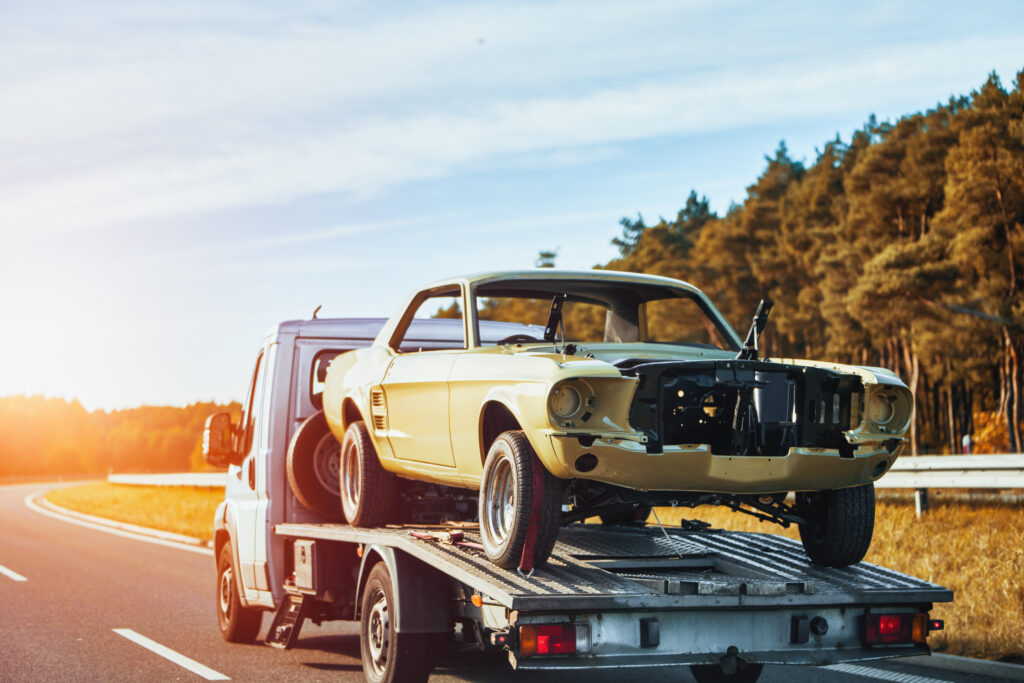
Getting Your Classic Car to a Restoration Shop
Moving a classic car to a restoration facility needs careful planning and the right transport method. Classic cars often need special handling, and proper transport protects your valuable investment.
Choose a reliable auto transport company that specializes in classic cars. Look for companies with enclosed trailers, proper insurance coverage, and experience handling vintage vehicles. Ask for references and check their track record with classic car moves.
Before transport: • Take detailed photos of your car’s condition • Remove or secure loose parts • Empty the gas tank to 1/4 full • Check insurance coverage for transport • Document existing damage
Pick the right transport option: • Enclosed trailer (best for valuable classics) • Flatbed truck (good for short distances) • Professional driver (if the car runs well)
Schedule the move during good weather and coordinate pickup/delivery times with both the transport company and restoration shop. Get everything in writing, including cost, timeline, and insurance details.
Remember: Moving a classic car isn’t like transporting a regular vehicle – it requires extra care and specific equipment to protect your investment during the journey.
Assessing Your Classic Car’s Transportation Needs
Safely Moving Your Classic Car: Essential Tips
Getting your classic car from point A to point B requires careful planning to protect your valuable investment. Start by knowing your car’s exact weight – this helps you pick the right trailer and moving equipment. A proper weight measurement prevents damage during loading and transport.
Check your car thoroughly before transport. Look for loose parts that need securing and any weak spots that might need extra protection. Make sure chrome trim, mirrors, and other decorative pieces are properly attached or safely wrapped.
Choose your transport route and company wisely. Pick roads that avoid low bridges, sharp turns, and rough surfaces. Select a transport company that specializes in classic cars and has good reviews from other collectors. Ask about their insurance coverage and handling procedures for vintage vehicles.
These steps ensure your classic car arrives safely at its destination, protecting both its value and condition during the move.
Selecting the Appropriate Transport Method
Choosing the Right Way to Transport Your Classic Car
The best way to transport a classic car is using an enclosed trailer with specialized safety features. This method protects your valuable vehicle from weather, road debris, and other hazards during the journey.
Two main factors determine your transport choice:
- Trailer Features
- Enclosed trailers shield your car completely
- Air-ride suspension reduces vibration
- Proper tie-down points keep the car secure
- Climate control options protect the finish
- Transport Company Experience
- Look for companies specializing in classic cars
- Check their track record with vintage vehicles
- Ask about their loading and securing methods
- Verify their insurance coverage for collectibles
When picking a transport service, focus on protection and expertise rather than just cost. A quality enclosed trailer operated by experienced handlers helps ensure your classic car arrives safely and in the same condition it left.
Remember: Open trailers cost less but expose your car to risks. For valuable classics, the extra protection of enclosed transport is worth the investment.
Evaluating Transport Companies
Choosing a Safe Transport Company for Your Classic Car
Finding the right transport company keeps your classic car safe during shipping. Start by reading online reviews from other car owners and asking for recommendations in classic car clubs. Look for companies with consistently positive feedback about their handling of valuable vehicles.
Check Basic Requirements: – Valid Department of Transportation (DOT) registration – Active Motor Carrier (MC) number – Current insurance coverage – Experience with classic car transport
Red Flags to Watch: – Missing or expired licenses – Poor customer reviews – Unusually low prices – No specialized classic car experience
Smart Tips: Ask about their loading process, transport methods, and tracking systems. Get everything in writing, including pickup and delivery dates, insurance coverage, and handling procedures. Compare at least three transport companies before making your choice.
These simple checks help you find a reliable transporter who will treat your classic car with the care it deserves.
Understanding Transport Insurance and Liability
Understanding transport insurance and liability is crucial when shipping a classic car – it protects your valuable investment from damage or loss during transit.
Transport insurance basics: • Coverage limits for your car’s value • Protection against theft and damage • Clear terms for accident liability • Documentation of pre-shipping condition
What you need to check: 1. The carrier’s insurance coverage amount 2. Types of damage covered during shipping 3. Your responsibility vs. the transport company’s 4. Additional coverage needs
Smart tip: Always get a written copy of the insurance policy and take detailed photos of your classic car before shipping. This makes any claims process much smoother if something goes wrong.
Remember: Classic cars often need special coverage beyond standard auto transport insurance. Ask about specific classic car protection options and get any coverage gaps filled with supplementary insurance.
Preparing Your Classic Car for Transport
Getting Your Classic Car Ready for Transport: Essential Steps
Take clear photos and document your car’s condition before transport. This creates a detailed record showing any existing scratches, dents, or other marks. Take close-up shots of all sides, including the interior and any special features.
Remove or secure all loose items inside the car and in the trunk. This includes: – Personal belongings – Removable accessories – Aftermarket parts – Tools and spare parts
Choose the right insurance coverage for your classic car’s transport. Work with your transport company to understand: – Coverage limits – Protection against damage – Special provisions for vintage vehicles – Claims process
These basic steps protect your classic car during shipping and give you peace of mind. Make sure to complete each task well before your scheduled transport date, and keep all documentation in a safe place for easy reference.
Document Vehicle Condition
Documenting Your Classic Car’s Condition Before Transport
Taking detailed notes and photos of your classic car before shipping prevents disputes and protects both you and the transport company.
Start with a basic inspection checklist: – Walk around the car and note visible damage (dents, scratches, rust) – Take clear photos from multiple angles, including close-ups of problem areas – Record existing mechanical issues or restoration needs – Document interior condition, including seats, dashboard, and trim – Check and photograph all glass, lights, and chrome parts
Make your documentation specific and dated: – Write down the car’s VIN number – Note current mileage – List any special handling requirements – Take timestamped photos – Keep copies of all records
Store these records safely and share them with your transport company. This simple step creates a clear reference point that protects your classic car’s value and ensures smooth transport from pickup to delivery.
Secure Loose Parts
Securing Loose Parts for Classic Car Transport
Properly securing all loose components keeps your classic car safe during transport and prevents damage to valuable parts. Before shipping your car:
Remove External Parts – Take off side mirrors, radio antennas, and any removable trim pieces – Store detached items in labeled boxes or bags – Document each removed part with photos
Secure the Interior – Remove or firmly fasten floor mats – Tie down or remove loose seat covers – Store or secure any aftermarket accessories – Lock the glove compartment and console
Protect Delicate Components – Wrap hood ornaments with bubble wrap – Cover chrome emblems with protective padding – Secure any loose trim pieces with painter’s tape – Add extra protection to vintage badges and decorative elements
This careful preparation prevents parts from breaking loose during transit and keeps your classic car’s valuable components intact throughout the journey.
Choose Proper Coverage
Choosing the Right Coverage for Your Classic Car
Protecting your classic car during transport requires two key types of insurance: your personal classic car coverage and the transport company’s insurance. Standard auto insurance isn’t enough for vintage vehicles.
Get specialized classic car insurance that: – Covers your car’s true market value – Protects against damage, theft, and accidents – Accounts for the car’s rarity and condition
Check these transport company requirements: – Valid commercial insurance policy – Cargo and liability coverage – Written proof of coverage before transport
Talk to an insurance agent who specializes in classic cars. They can help match your coverage to your car’s specific needs and value. Make sure both your policy and the transport company’s insurance work together to give your classic car complete protection during shipping.
Remember: Double-check all coverage limits and deductibles before transport begins. Get everything in writing to avoid coverage gaps.
Coordinating Pickup and Delivery Schedules
Planning Your Classic Car Transport Schedule
Book your classic car transport at least 2-3 weeks ahead to lock in your preferred dates. A well-planned schedule keeps your transport smooth and stress-free.
Quick scheduling tips: – Contact transport companies early to check availability – Match pickup dates with your car’s restoration completion – Share exact pickup/delivery locations and any special handling needs – Get the driver’s contact info and keep your phone handy – Double-check loading times work for both you and the transport team
Stay in touch with your transport company throughout the process. A quick call or text helps avoid confusion and ensures your classic car arrives exactly when and where you need it. The best transporters welcome regular updates and will keep you informed of their progress.
Confirm Transport Availability
Confirming transport availability prevents costly delays and ensures your classic car arrives on schedule at the restoration facility. Getting this step right saves time, money, and potential headaches.
Transport availability impacts the entire restoration timeline: – Check multiple transport companies’ schedules to find the best fit – Book early to secure your preferred dates – Get written confirmation of pickup and delivery times
Three essential steps when booking transport: 1. Match transport dates with your restoration schedule 2. Pick reliable transporters with good track records 3. Get direct contact information for updates and tracking
Important questions to ask transporters: – Can they meet your specific pickup and delivery dates? – What happens if weather or other issues cause delays? – Do they specialize in classic car transport?
Good transport coordination means your restoration project starts on time and stays on track. Always get scheduling details in writing and keep communication lines open with your transport provider.
Align Restoration Timeline
Getting Your Classic Car’s Timeline Right
The success of your classic car restoration depends on matching pickup, delivery, and repair schedules perfectly. Think of it like planning a house renovation – you want your contractors ready when the materials arrive.
Start by: • Contacting transport companies early • Checking restoration shop availability • Setting clear project milestones • Building in extra time for unexpected issues
Good timing means your car moves smoothly from transport to shop floor without delays. Keep in regular touch with both your transport company and restoration team – quick updates help catch potential problems early. This careful planning keeps your project on track and your classic car’s restoration moving forward efficiently.
A well-planned timeline leads to: • Faster completion • Lower storage costs • Better quality work • Smoother overall experience
Remember: Time spent on planning saves hours of headaches later.
Coordinate Driver Communication
Getting Everyone on the Same Page
Good driver communication makes classic car transport smooth and stress-free. Regular updates and clear timelines help avoid delays and keep restoration projects on schedule. When drivers and managers stay connected, cars arrive exactly when needed.
Three Must-Have Communication Elements:
- Daily Updates
- Quick check-ins about schedule changes
- Immediate alerts for any delays
- Simple status reports everyone can understand
- Clear Transport Schedule
- Set pickup and delivery times
- Map out each transport step
- Share timeline with all team members
- Easy Contact Methods
- Phone numbers for quick calls
- Text messaging for fast updates
- Backup contacts for emergencies
These basic steps prevent mix-ups and keep your classic car restoration moving forward. Remember: better communication means fewer problems and faster results.
Pro Tip: Save all important contact information in your phone and share a digital timeline that everyone can access.
Documenting the Condition of Your Vehicle
Protecting Your Classic Car During Transport: A Simple Documentation Guide
Take clear photos and notes of your classic car’s condition before shipping to prevent disputes later. Start with a walk-around inspection, using your smartphone to capture detailed pictures of all sides, including the roof, wheels, and undercarriage. Look closely for existing damage like scratches or dents – these details matter.
Write down the current mileage and take a photo of the odometer. Make a simple checklist noting any mechanical quirks or special features your car has. Keep one copy of everything for yourself and share another with the transport company.
Save all photos and notes in two places: your computer and phone, or cloud storage. Good documentation protects both you and your classic car, making the shipping process worry-free.
Tips for thorough documentation: – Take photos in good lighting – Include close-ups of any damage – Date all photos and notes – Store copies in multiple locations – Share records with the transport company
Communicating With the Transport Provider
Communicating effectively with your car transport company keeps your classic car safe and on schedule. Clear communication helps you get fair prices and stay informed throughout the shipping process.
Essential Steps for Transport Communication:
Get Everything in Writing – Lock in all fees and costs before transport begins – Save a copy of quotes, agreements, and special instructions – Request written confirmation of pick-up and delivery dates
Set Up Direct Contact – Exchange phone numbers and email with the transport coordinator – Get the driver’s contact information before pickup – Confirm preferred communication methods and times
Stay Connected During Transport – Track your car’s progress through regular check-ins – Report any concerns immediately to the transport company – Keep delivery location contacts updated on arrival timing
Quick tip: Create a simple checklist with all contact numbers, agreed prices, and key dates. Keep it handy throughout the transport process for easy reference.
Remember: Good communication prevents problems and ensures your classic car arrives safely and on time.
Inspecting Your Classic Car Upon Arrival
Checking Your Classic Car After Delivery
When your classic car arrives, take these essential steps to ensure it’s in perfect condition:
Start with a complete walk-around inspection. Look for any new scratches, dents, or damage that wasn’t there before shipping. Take clear photos of any issues you find – these will help if you need to file a claim.
Check the car’s interior thoroughly. Make sure seats, dashboard, and controls are exactly as you left them. Test all doors, windows, and trunk to ensure they open and close properly.
Inspect all exterior parts. Mirrors, lights, trim, and badges should be firmly attached and undamaged. Rock the car gently to check for loose components.
Test the engine and mechanics. Start the car if possible and listen for unusual sounds. Compare everything to your pre-shipping photos and notes.
Report any damage to the transport company immediately. Keep all documentation and photos as evidence of the car’s condition at delivery.
Frequently Asked Questions
What Are the Costs Involved in Transporting a Classic Car?
Transporting a classic car typically costs between $500 to $2,500, with the final price based on three main factors: shipping distance, transport method, and insurance coverage.
Open transport is the most affordable option, moving your car on an exposed carrier alongside other vehicles. Enclosed transport costs more but offers complete protection from weather and road debris. Long-distance shipping (over 1,000 miles) increases costs significantly, while local transport stays more budget-friendly.
Insurance for classic car transport is essential and varies by vehicle value. Basic coverage starts around $100, while full coverage for high-value collectibles can reach $500 or more. Most transport companies include basic insurance, but additional coverage is recommended for rare or valuable classics.
How Do Weather Conditions Affect the Transport Process?
Weather plays a huge role in safe vehicle transport. Rain, snow, extreme heat, or severe storms can directly affect delivery times and safety conditions.
Transport companies track weather patterns carefully to protect vehicles during shipping. They avoid moving cars during dangerous conditions like: – Heavy rain or thunderstorms – Snowfall or icy roads – Extreme heat that could damage vehicle finishes – High winds that pose risks to carriers
Smart scheduling around weather helps ensure vehicles arrive safely and on time. Carriers may adjust routes or temporarily delay transport when poor conditions threaten safe delivery. This careful planning prevents weather-related damage and keeps both vehicles and drivers protected during the journey.
Can I Track My Car During Its Transport Journey?
Yes, you can track your car during transport. Most auto shipping companies now provide real-time tracking through their website or mobile app. You’ll get a tracking number to monitor your vehicle’s location, estimated arrival time, and delivery updates.
The tracking system works like following a package delivery – you can check your car’s progress anytime, see where it is on the route, and receive automatic notifications about important updates. If there are any delays or changes, you’ll know right away.
This tracking service keeps you informed and helps reduce stress during the car transport process. Most companies also provide direct contact with the driver or dispatch team if you need additional information.
What Should I Do if My Car Is Damaged During Transport?
Found Damage During Car Transport? Here’s What to Do:
Take these immediate steps if your car gets damaged during shipping:
- Document everything right away. Take clear photos of all damage and write down exactly what you see before the transport driver leaves.
- Note the damage on the Bill of Lading – this is your delivery inspection report. Make sure both you and the driver sign it.
- Contact the auto transport company immediately. Call their customer service and follow up with an email describing the damage.
- File an insurance claim within 24 hours. Get copies of all shipping documents, photos, and inspection reports to support your claim.
Don’t wait to report damage – quick action protects your rights and speeds up the claims process. Most auto transport companies carry insurance specifically for these situations, but you need proper documentation to get repairs covered.
Are There Any Restrictions on Transporting Non-Running Classic Cars?
Transporting non-running classic cars requires specific safety measures and proper permits to ensure safe delivery. Qualified auto transport companies must use specialized equipment like winches and loading ramps since these vehicles can’t move under their own power.
Essential transport requirements include: – A licensed carrier with classic car experience – Heavy-duty straps and wheel chocks for secure loading – Enclosed transport options to protect vintage vehicles – Proper insurance coverage for non-running classics – Documentation of the car’s condition before transport
The transport company needs to know ahead of time that the car doesn’t run, as this affects loading procedures and equipment needed. Many carriers charge extra fees for non-running vehicles because of the additional time and specialized equipment required for safe handling.
Remember to choose a transporter with proven experience moving non-running classics to protect your valuable investment during shipping.