
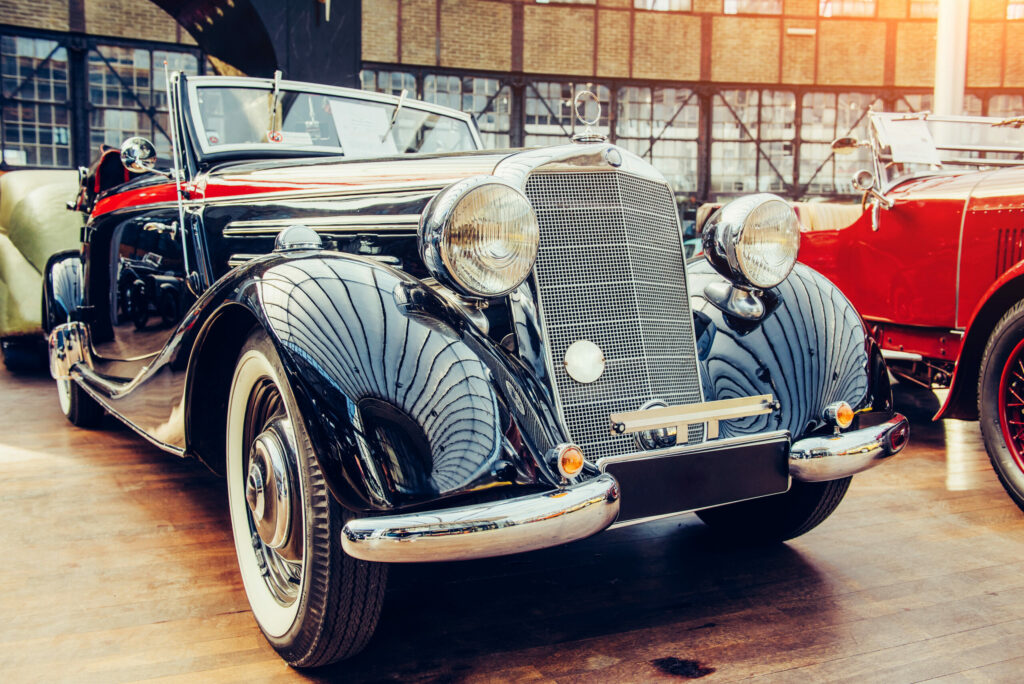
Getting Your Car Show-Ready: A Simple Guide
A show-worthy restored car needs three main things: spotless appearance, perfect mechanical condition, and authentic details. Start with a deep cleaning of the exterior, engine bay, and interior. Every inch counts at car shows.
Clean and polish the paint until it shines like new. Focus on often-missed spots like door jambs, wheel wells, and under the hood. Check chrome trim, wheels, and glass for any imperfections.
Inside the car, clean or restore the seats, dashboard, and carpets. Make sure all gauges work and the interior matches the car’s era. Small details matter – even period-correct seat belts can make a difference.
Test all mechanical parts before the show. The engine should run smoothly, and all lights, switches, and accessories must work properly. Bring cleaning supplies and documentation of your restoration work to the show.
Thorough Cleaning and Detailing
Clean, Polished Cars Stand Out at Shows
Proper cleaning and detailing make restored cars shine because they bring out the paint’s true beauty and protect the finish. A well-polished car catches everyone’s eye with its mirror-like surface and deep, rich color.
Car detailing involves two main steps: 1. Polishing removes scratches and swirls using special pads and compounds that smooth the paint surface. 2. Protection adds ceramic coatings or sealants that guard against dirt, rain, and sun damage.
Starting with clay bar treatment to remove contamination, then moving to careful polishing and finishing with protective coating creates show-quality results. These steps transform an ordinary restored car into one that draws crowds at car shows and meets.
Tips for best results: – Work in small sections – Use clean materials – Follow product instructions – Take your time with each step – Focus on hard-to-reach areas
Inspecting Mechanical Components
Regular Mechanical Inspections Keep Classic Cars Running Smoothly
Checking mechanical parts ensures your classic car runs reliably and looks great at shows. Start with the engine’s oil system – make sure all moving parts get proper lubrication to prevent wear and costly repairs. Look for leaks, proper oil levels, and clean oil.
Next, test the suspension components. Bad shocks, worn springs, or damaged bushings affect how the car rides and handles. A bouncy or unstable ride means these parts need attention. Check for rust, cracks, or unusual noises.
These basic inspections prevent breakdowns and boost your car’s value. Focus on: – Oil system health – Suspension parts wear – Moving parts lubrication – Signs of damage or rust
Regular checks help catch problems early, saving time and money while keeping your classic car in show-ready condition.
Perfecting Paint and Bodywork
Perfect Paint and Bodywork Made Simple
Getting a showroom-quality finish on your car starts with the right steps and tools. A dual-action polisher, quality pads, and proper technique create that eye-catching shine car enthusiasts love.
Clean the car thoroughly first – wash away dirt and use a clay bar to remove tiny particles stuck in the paint. This gives you a smooth surface to work with. Next, polish the paint using light to medium pressure, working in small sections. Start with a cutting pad for deeper scratches, then switch to a softer finishing pad for the final shine.
Protect your work by applying sealant or wax. This locks in the shine and guards against weather damage. Keep your workspace clean and dust-free to avoid scratches. Remember: take your time and work systematically – rushing leads to mistakes.
For best results: – Wash and clay before polishing – Use proper pad pressure – Work in small sections – Seal with quality protection – Keep workspace clean
Ensuring Interior Excellence
Interior Excellence Made Simple
Getting a perfect car interior starts with the right care and know-how. Clean and treat all surfaces with the right products to make them last longer and look better. For seats, start by checking the fabric or leather, fixing any worn spots, and replacing damaged padding. Pick materials that match your car’s original style – whether that’s leather, vinyl, or cloth.
Dashboard care and carpet cleaning need specific cleaners that won’t damage these sensitive areas. A step-by-step approach works best: – Test cleaners on a small area first – Use gentle brushes for delicate surfaces – Clean from top to bottom – Let each area dry completely
Quality interior work shows in the details – from straight stitching to perfectly fitted carpets. Taking time with each step creates an interior you’ll be proud to show off.
Checking Lights and Electrical Systems
Check Your Car’s Lights and Electrical Systems
Start with a basic safety check of all lights and electrical parts. Look for any loose wires, damaged connections, or signs of wear. Check that wires are properly secured and free from rust or dirt buildup.
Test every light on your car: – Headlights (high and low beam) – Brake lights – Turn signals – Reverse lights – Interior lights – Dashboard lights
Turn each light on and walk around the car to make sure they work correctly. Watch for dim bulbs or uneven lighting, which often signal it’s time for a replacement. If you spot any problems, fix them right away to keep your car safe and legal on the road.
Quick tip: Clean light covers regularly to maintain bright, clear lighting and better visibility at night.
Inspect Wiring Connections
Safe and Clean Wiring: Your Car’s Electrical Foundation
Good wiring keeps your restored car running safely and looking great. A proper inspection covers three key areas:
- Wire Safety Check Check all wires for damaged or cracked covers. Bad wiring can spark, short out, or even catch fire. Replace any wire that looks worn or exposed.
- Ground Connection Check Make sure ground wires connect firmly to metal parts. Clean off any rust or dirt where wires meet metal. Good grounds prevent electrical problems and keep systems working right.
- Tight Connection Check Wiggle and test all connections. Loose wires cause frustrating problems like flickering lights or systems that work sometimes but not always. Tighten any loose spots.
Regular wiring checks keep your car safe and reliable. When connections are clean and tight, your car will run better and show better, while staying true to its original design.
Test Light Functionality
Testing Car Lights: A Simple Guide
Check all car lights to ensure they work properly and safely. Start with a basic visual check of headlights, brake lights, turn signals, and interior lights.
Test voltage levels at each light using a basic multimeter – this tells you if enough power reaches each bulb. Normal readings should match your car’s manual specifications. Low voltage often means loose wires or bad connections.
Check fuses in the fuse box – they should be clean and unbroken. Look for any signs of melting or damage. Replace any blown fuses with the correct type.
Turn on each light to check brightness and function. Both headlights should shine equally bright, brake lights should glow strongly, and turn signals should blink at a steady rate. Dim or flickering lights need attention.
Good lighting keeps your car safe and legal on the road. Regular checks prevent problems and help spot issues early.
Preparing Documentation and History
Documenting Your Classic Car’s History
Every classic car tells a story, and proper documentation proves its authenticity and value. Building a complete history file means collecting three essential types of records:
- Sales Documents: Keep the original bill of sale, warranty cards, and dealership paperwork. These papers show where and when the car first hit the road.
- Work Records: Save all repair and restoration receipts, photos, and notes. These details prove the quality of work done and help track the car’s journey back to mint condition.
- Owner Timeline: Create a list of previous owners with dates and locations. This history connects your car to real people and events, making its story more valuable.
Good documentation directly increases your car’s worth and credibility at shows, auctions, and sales. Judges and buyers look for cars with complete, well-organized history files that back up their authenticity.
Creating an Eye-Catching Display
Making Your Display Stand Out
A great display combines an attractive stand with clear, informative signs that grab attention. Pick a display stand that matches your car’s look – use colors and materials that make the car shine while keeping the structure sturdy and safe. Place easy-to-read signs where people can see them clearly. These signs should tell the car’s story and highlight its special features in simple terms that turn curious onlookers into interested viewers.
Quick Tips: – Choose complementary colors and materials – Keep signs at eye level – Use short, clear descriptions – Make sure the stand is stable – Position lighting to enhance key features
The best displays make it easy for people to learn about the car while appreciating its beauty. When done right, your display will naturally draw people in and keep them engaged.
Display Stand Design
A Display Stand Makes Your Classic Car Look Its Best
A great display stand shows off your restored car like a piece of art. Just like a beautiful frame enhances a painting, the right stand makes your car look even more impressive. The stand needs to be both sturdy and stylish, making your car appear to float while keeping it completely secure.
Key Elements for an Effective Car Display:
- Smart Lighting: LED lights positioned to show off the car’s best features and paint details. Proper lighting turns your car into the star of the show.
- Premium Materials: Strong, attractive materials like glass or polished metal match your car’s quality. These materials create a clean, professional look.
- Perfect Height: Raising the car slightly above ground level draws attention and lets viewers see every angle. The right height creates impact without looking overdone.
When these elements work together, your display stand becomes the perfect stage for your prized vehicle, making it stand out at any show or exhibition.
Informative Signage Placement
Good Sign Placement Makes Information Easy to Read
Signs must be placed where visitors can easily see and read them. Put signs at eye level and angle them slightly to avoid glare from lights above. This makes reading comfortable for everyone.
Place information signs near the important parts of the restored car you want people to notice. This helps visitors quickly understand what makes the car special and its history.
Use clear fonts and colors that work well together. The text should be easy to read from a comfortable distance. Adding QR codes lets car fans get more details on their phones.
Smart sign placement does two important jobs: it teaches visitors about the car and makes viewing more enjoyable. Keep signs simple, clear, and positioned where they’re most useful.
[Note: Text reorganized to prioritize key information, removed complex language, and grouped related concepts together while maintaining essential information about signage placement.]
Packing Essential Tools and Supplies
What to Pack for a Car Show: Essential Tools and Supplies
Pack these three must-have items to keep your show car looking perfect and running smoothly:
- Basic Tool Kit Keep a compact toolbox with common wrenches, screwdrivers, and pliers. These tools help fix loose parts or make quick adjustments right at the show.
- Emergency Kit Pack jumper cables, a tire pressure gauge, and a basic first aid kit. These items prevent small problems from ruining your show day and keep you safe on the road.
- Cleaning Kit Bring microfiber cloths and car polish to maintain your vehicle’s shine. Dust, fingerprints, and weather can affect your car’s appearance during the show.
Smart packing means being ready for common issues without overloading your car. Store these items in easy-to-reach spots so you can grab what you need quickly. Keep cleaning supplies separate from tools to avoid any accidental scratches or marks on your show car’s finish.
Practicing the Perfect Presentation
Standing Out at the Car Show: Presentation Tips
A great car show presentation combines a confident stance with clear communication to showcase your vehicle effectively. Your body language and speaking style matter just as much as your car’s condition.
Start with good posture – stand tall and relaxed next to your car. Make eye contact with people who stop by, and smile to create a welcoming atmosphere. When talking about your car, keep your explanations simple and interesting. Focus on three main points: – The work you’ve done on the car – Any special history behind it – What makes it unique
Practice your short talk beforehand so it flows naturally. Use hand gestures to point out specific features, but keep movements smooth and purposeful. Remember, you’re not just showing a car – you’re telling its story and sharing your passion with others who appreciate classic vehicles.
Your presentation style should match your car’s quality, making both you and your vehicle memorable to show visitors.
Frequently Asked Questions
How Can I Find Car Shows in My Area?
Finding Car Shows Near You – Simple Guide
Check these proven ways to discover local car shows:
- Facebook Groups: Join local car enthusiast groups and turn on notifications for event announcements. Search “car shows [your city]” to find active communities.
- Car Club Websites: Visit websites of local car clubs – they regularly post upcoming shows and meets. Most clubs welcome newcomers and share event calendars.
- Event Apps: Download apps like Eventbrite or Cars & Coffee Finder. Filter searches by “automotive” or “car shows” in your area.
- Local Dealerships: Follow nearby car dealerships on social media. They often host or promote car shows and meetups.
- Auto Parts Stores: Check bulletin boards at stores like AutoZone or O’Reilly’s. Many post flyers for upcoming car events.
Pro tip: Sign up for email newsletters from car clubs and event organizers to get early notifications about shows in your area.
What Should I Wear to a Car Show?
Dress comfortably and casually for a car show, but keep it neat and presentable. Wear breathable clothes like jeans or khakis with a clean t-shirt or polo shirt. Choose comfortable walking shoes since you’ll spend hours on your feet exploring the cars.
For hot weather: – Light, breathable fabrics – Short sleeves or light layers – Baseball cap or sun hat – Sunglasses – Comfortable sneakers
For cool weather: – Jeans or casual pants – Light jacket or sweater – Closed-toe shoes – Layer options
Avoid: – Dress clothes or formal wear – High heels or dress shoes – Heavy or restricting outfits – Anything that might scratch cars
Pack essentials like sunscreen, water bottle, and a small bag for car show programs or purchases. Your outfit should let you move easily between vehicles while staying comfortable all day.
How Early Should I Arrive for the Show?
Arrive 30 minutes before the show’s start time for standard seating, or 1 hour early for special events and peak times. This gives you plenty of time to park, pick up tickets, find your seat, and get comfortable.
For big shows or events with general admission: – Plan for 1-2 hours early if you want front-row spots – Allow extra time for parking and security checks – Consider rush hour traffic in your planning – Check venue rules about entry times
Quick tip: Check the venue’s website or ticket confirmation for specific entry guidelines, as arrival times can vary based on the event type, venue size, and expected crowd.
Are There Any Rules for Interacting With Judges?
Proper Behavior When Speaking to Judges
Always treat judges with respect and use formal titles like “Your Honor” or “Judge [Last Name].” Stand when the judge enters the room and remain standing until told to sit. Speak clearly, avoid interrupting, and wait your turn to speak.
Key rules to follow: – Address the judge formally – Listen carefully and don’t interrupt – Keep your tone professional and courteous – Answer questions directly and honestly – Avoid arguing or showing frustration – Stay calm and composed – Maintain appropriate eye contact
When asking questions, keep them brief and relevant. Focus on understanding the judge’s feedback and guidance rather than challenging their decisions. Remember that proper courtroom behavior helps create a professional environment and shows respect for the legal process.
How Do I Network With Other Car Enthusiasts at the Show?
Car shows are perfect places to meet fellow enthusiasts and build lasting connections. Start simple conversations by asking people about their cars or complimenting specific features you find interesting. Look for shared interests – maybe you both love classic Mustangs or enjoy DIY repairs.
Join group discussions about common topics like restoration tips, maintenance tricks, or favorite modifications. Share your own experiences, but also listen to others’ stories. Ask questions when you’re curious, and be ready to learn from more experienced enthusiasts.
Keep business cards handy to exchange contact info with people you click with. Many car enthusiasts organize local meetups, drives, or repair sessions – these are great opportunities to deepen connections made at shows.
Remember: friendly, genuine interest in others’ projects goes further than technical knowledge alone. Focus on building real relationships rather than just talking about cars.