
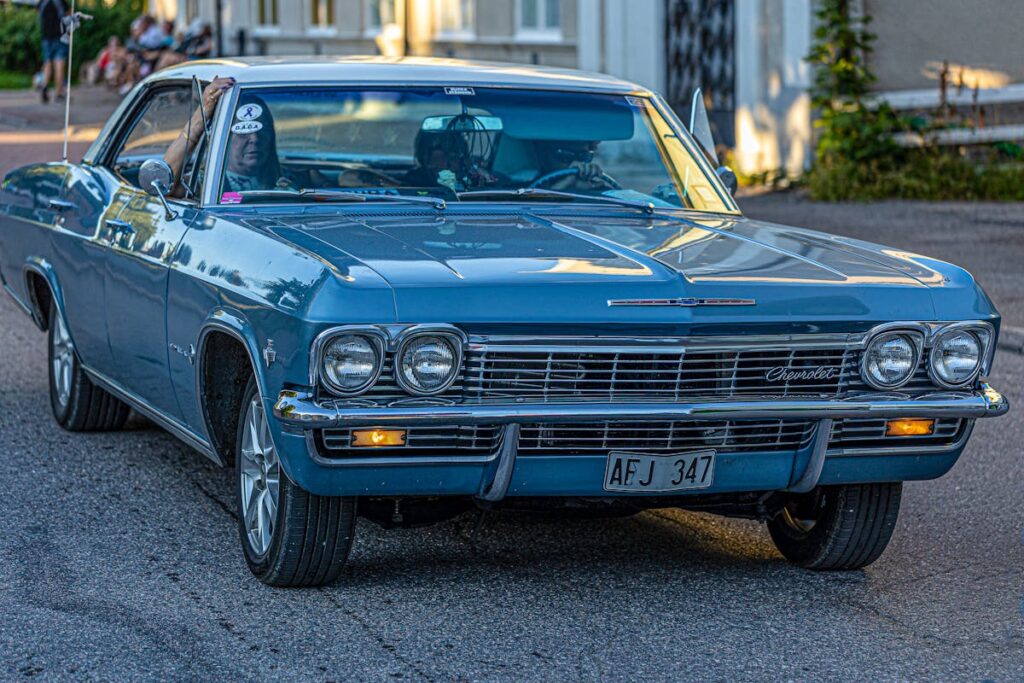
Keeping a classic car original during restoration protects its value and historical authenticity. Think of it like preserving a piece of automotive history while making it road-worthy again.
Start by documenting your car’s current condition with photos and notes. This helps track original parts and finishes before any work begins. Original components, even if worn, often hold more value than replacements.
Search for factory-correct parts from reliable vintage car suppliers and swap meets. Keep paint codes, interior materials, and engine specifications handy. When possible, repair rather than replace original parts.
Balance is key – fix what’s needed for safety and function while preserving original features that make your classic unique. Small details matter: correct screws, proper paint finish, and authentic materials make the difference between a proper restoration and just another old car repair.
Tip: Join local classic car clubs to connect with experienced restorers who can share knowledge and trusted parts sources.
Understanding the Importance of Originality
Original Parts Matter in Classic Car Restoration
Keeping original parts on classic cars protects their history and value. Think of it like preserving a valuable antique – the more original pieces it has, the more authentic and valuable it becomes.
Before starting any restoration work, carefully check which parts are original and which aren’t. Look for factory markings, date stamps, and matching numbers on major components. These tell you what’s genuine and worth keeping.
Original paperwork helps too. Factory build sheets, old service records, and sales documents show exactly how the car left the showroom. This information guides accurate restoration decisions and proves the car’s history to future buyers.
When you maintain originality, you: – Keep the car’s true historic value – Attract serious collectors – Ensure proper restoration – Protect your investment
Remember: Original parts that work properly are always better than replacements, even if they show some age. This honest wear tells the car’s story and proves its authenticity.
Researching Your Classic Car’s History
Tracing Your Classic Car’s Story
Finding your classic car’s history starts with the basics: past owners and paperwork. Start by gathering ownership documents, old titles, and registration papers. These records tell you who owned the car and when, helping piece together its journey.
Next, look for service records and old photos. These show what work was done to the car and how it looked over time. Check if modifications match factory specs or if previous owners made changes. Local car clubs, online forums, and classic car experts can help fill in missing details.
Keep good notes about what you discover. Understanding your car’s past helps make better choices about restoration work and keeps its historical value intact. Photos, receipts, and stories from previous owners create a complete picture of your classic car’s unique history.
Sourcing Authentic Parts and Materials
Finding Real Parts for Classic Cars
Sourcing genuine parts for your classic car starts with finding trustworthy suppliers. Check online forums, car club websites, and parts databases that focus on your specific car make and model. These resources help connect you with reliable sellers and warn you about potential fakes.
To spot authentic parts: • Look for correct part numbers stamped on the item • Check for original manufacturer logos and marks • Ask for documentation proving the part’s origin • Compare against photos of known genuine parts
Best places to find authentic parts: • Established classic car parts dealers • Factory-authorized retailers • Certified restoration specialists • Reputable online marketplaces
Remember: Real parts might cost more upfront but protect your car’s value and historical accuracy. Always research prices and seller reviews before buying to avoid counterfeit parts that could damage your classic car.
Finding Reliable Part Suppliers
Finding Good Parts Suppliers for Classic Cars
Quality parts make or break a classic car restoration. The right supplier ensures you get authentic, well-fitting components that match your car’s original specs. The best way to find trusted suppliers is through other car enthusiasts in clubs, online forums, and restoration communities.
Follow these simple steps to find reliable suppliers:
- Check Reviews and Track Record: Look up what other restorers say about the supplier. Good ratings and positive feedback from fellow car enthusiasts tell you who to trust.
- Look for Proof of Authenticity: Ask suppliers for documentation that proves their parts are genuine. Real classic car parts should come with papers showing their origin.
- Pick Specialists Over Generalists: Choose suppliers who focus on your car’s make and model. These experts know your car inside and out and can help find hard-to-get parts.
This careful selection process helps you avoid fake parts and ensures your restoration stays true to the original car.
Verifying Original Part Authenticity
Checking Classic Car Parts for Authenticity
Original parts make or break a classic car’s value and historical accuracy. To verify if a part is genuine, follow these straightforward steps:
Check the basics first: Look for part numbers, date stamps, and manufacturer marks that match your car’s year and model. These details tell you if the part belongs to your specific vehicle.
Get proof of history: Ask for documentation like factory records or original receipts. Online classic car databases and forums can help track part origins and confirm they’re authentic.
Compare physical features: Match the part’s size, material, and design against factory guides or original catalogs. Real parts will have correct finishes, proper materials, and precise measurements.
Ask an expert: When in doubt, connect with classic car specialists or appraisers who can spot genuine parts. Their experience helps avoid costly mistakes with fake or reproduction components.
Evaluating the Condition of Original Components
Checking Original Car Parts: A Guide for Classic Car Owners
Original parts make or break a classic car restoration. Before starting any repairs, you need to know if your car’s original components can be saved or need replacement. Here’s how to check them properly:
Look It Over Check each part carefully for rust spots, cracks, or dents. Run your hands over surfaces to feel for damage you might not see. Focus on critical areas like engine parts, body panels, and suspension components.
Test It Out Turn, twist, or operate each part to see how it works. Listen for unusual noises, check for smooth movement, and watch for signs of wear. A working part should move freely without grinding or sticking.
Check the Materials Have important parts professionally tested when needed. This helps spot hidden problems like metal fatigue or internal wear that could cause issues later.
Good parts assessment saves time and money while keeping your classic car authentic. Take photos and notes during inspection to track what needs work.
Balancing Restoration and Preservation
Finding the Sweet Spot Between Restoration and Preservation
Classic car owners face a key challenge: keeping their vehicle’s history intact while making it safe and driveable. The secret lies in smart decision-making about three main factors:
Look and Feel: Choose repairs that match the car’s original style. If you need to replace chrome trim or repaint panels, use period-correct materials and colors.
Cost vs. Authenticity: Original parts are best but can be expensive. Set a clear budget and decide where to invest in genuine pieces versus quality reproductions.
Historical Value: Focus on preserving unique features that tell the car’s story. Document changes you make and keep original parts when possible.
Make each repair count by asking: “Does this work maintain both the car’s usability and its historical importance?” This approach keeps your classic car true to its roots while ensuring it stays on the road.
Choosing the Right Restoration Techniques
Restoring Classic Cars: Choosing the Right Methods
Getting your classic car restoration right starts with picking the best techniques for each job. The right methods keep your car’s value high and make sure it stays true to its original design.
Three main factors make a restoration successful:
- Match Original Materials: Pick parts and materials that look and work just like the ones used when the car was first built. Using the right materials helps keep your car authentic and valuable.
- Use Period-Correct Methods: Follow the same repair and restoration steps that mechanics used when your car was new. This keeps the work historically accurate and helps maintain the car’s character.
- Pick the Right Tools: Use tools made specifically for classic cars. These tools protect old parts from damage and help you work more carefully.
Remember: Good restoration work takes time and attention to detail. When you follow these basics, you’ll help preserve your classic car’s history while keeping it running smoothly.
Documenting the Restoration Process
Documenting Your Classic Car Restoration: A Simple Guide
Taking detailed notes and photos during a car restoration helps you track progress, maintain authenticity, and boost the vehicle’s value. Think of it like keeping a diary of your car’s transformation.
Start by taking “before” photos from multiple angles. Keep a simple log of: – Parts you remove and replace – Repairs made and when – Paint colors and materials used – Time spent on each task – Receipts and costs
This documentation serves three key purposes: 1. Creates a record for future owners or repairs 2. Helps you stay organized and on schedule 3. Proves the authenticity of your restoration work
Take photos throughout the process, especially of hidden areas like engine components or undercarriage work. Store all information digitally and in print, organizing it by date and project phase.
This careful record-keeping makes your classic car more valuable and helps preserve its history for future generations.
Avoiding Common Pitfalls in Classic Car Restoration
Classic Car Restoration: Key Mistakes to Avoid
Classic car restoration requires careful planning and attention to detail. Getting it right means keeping the car’s history and value intact while making it safe and enjoyable to drive.
- Over-restoration: Don’t add modern features that weren’t on the original car. Stick to period-correct parts and finishes. Adding modern wheels, digital gauges, or non-standard paint colors reduces the car’s authenticity and value. Focus on cleaning, repairing, and preserving original parts whenever possible.
- Poor Research: Learn your classic car’s exact specs before starting work. Get the factory manual, build sheets, and parts catalogs for your specific make, model, and year. Wrong parts or incorrect restoration methods can hurt your car’s value and performance. Join owner clubs and talk to experienced restorers for guidance.
- Engine and Mechanics: Don’t focus only on making the car look pretty. A shiny paint job means nothing if the engine doesn’t run right. Check and restore all mechanical parts – engine, transmission, brakes, and suspension. This keeps the car safe and reliable while protecting its long-term value.
Maintaining Originality After Restoration
Keeping a Classic Car Original After Restoration
Getting your classic car restored while maintaining its authenticity requires three key steps: finding original parts, protecting the original paint, and keeping the interior true to its time period.
Finding Original Parts Track down genuine parts that match your car’s exact year and model. Work with trusted classic car parts suppliers and join collector communities to source authentic components. Keep detailed records of your car’s original specifications to ensure replacement parts match perfectly.
Paint Protection Save as much original paint as possible – it’s a big part of your car’s history. When repairs are needed, use gentle restoration methods that preserve the existing finish. Modern clear coats can protect original paint without changing its appearance.
Interior Care Focus on carefully repairing, rather than replacing, vintage upholstery and trim. When replacement is necessary, use period-correct materials and patterns. Small repairs help preserve the car’s original character better than full replacements. Clean and condition materials regularly to prevent wear.
Authentic Parts Sourcing
Getting Genuine Parts for Classic Cars
Finding real, authentic parts is the key to a successful classic car restoration. The right parts keep your car historically accurate and valuable.
Where to Find Authentic Parts:
- Trust Reliable Dealers: Buy from well-known classic car parts specialists. These dealers keep detailed records and can match exact part numbers to your car’s make and model.
- Check the Paperwork: Look at the car’s original manuals, factory guides, and parts lists. These documents help you identify the correct parts for your specific model.
- Match the Numbers: Check serial numbers on parts against your car’s age. This ensures you’re getting period-correct components, not modern copies.
Quality parts mean quality restoration. Working with trusted suppliers and checking documentation carefully helps ensure every piece is genuine. When parts match your car’s original specifications, you maintain both its history and value.
Tips for Spotting Real Parts: – Compare part markings with original catalogs – Ask for authenticity certificates – Join classic car clubs for trusted seller recommendations – Keep records of all parts purchased
Preserve Original Paint
Keeping Original Paint on Classic Cars
Original paint on a classic car is like a time capsule – it tells the car’s story and adds significant value. Whether you’re a collector or enthusiast, preserving factory paint requires careful handling and the right approach.
Start by checking the paint’s condition. Look for: – Fading or discoloration – Small cracks or chips – Natural aging (patina) – Original paint thickness
Simple preservation steps: 1. Keep the car covered when not in use 2. Wash gently with pH-neutral soap 3. Apply quality UV protection 4. Fix small issues quickly to prevent spreading 5. Store in a climate-controlled space
For color touch-ups, match the original paint exactly using paint codes or professional color matching. Avoid harsh polishes or aggressive buffing that can damage old paint. Regular gentle cleaning and waxing help protect the finish while maintaining its authentic character.
Remember: Original paint that’s well-preserved is worth more than a complete repaint, even with some signs of age.
Maintain Vintage Interiors
Keeping Your Classic Car’s Interior Original
Original interiors tell the true story of a classic car and boost its value. Getting it right means focusing on correct materials, matching colors exactly, and saving original parts whenever possible.
Choosing the Right Materials Pick interior materials that match what the car had when it first rolled off the assembly line. Each classic car used specific types of leather, wool, or vinyl – using the correct one makes all the difference. If you’re unsure, check restoration guides or connect with other owners of the same model.
Getting Colors Exactly Right Use factory color codes to match your car’s original interior colors perfectly. These codes help you find or mix the exact shades used in your car’s era. Correct colors keep the interior looking authentic and help maintain the car’s market value.
Save Original Parts Keep original dashboards, gauges, and trim pieces whenever you can. Clean and fix existing parts instead of replacing them. Even slightly worn original parts often look better than reproduction pieces and keep your classic car authentic.
These simple steps protect both your car’s history and its value, making sure it stays true to its original design.
Frequently Asked Questions
How Can I Determine the Original Paint Color of My Classic Car?
Finding Your Classic Car’s Original Paint Color
Check the car’s body for original paint samples – often found in hidden spots like the trunk, doorjambs, or under trim pieces. These protected areas usually keep their original color longer than exposed surfaces.
Look up your car’s paint code, typically found on a metal plate or sticker in the engine bay, door frame, or glove box. This code tells you exactly what color the factory used.
For extra help: – Contact your car’s manufacturer – Join classic car clubs and forums – Ask local auto paint shops that specialize in vintage cars – Use paint matching tools at automotive paint stores
If you can’t find physical evidence, research old sales brochures, factory records, or restoration guides for your specific make and model. These resources often list original paint options for different production years.
Remember: Paint colors can fade or change over time, so finding an original sample or factory code gives you the most accurate match for your restoration.
What Are the Best Storage Practices for Preserving a Classic Car?
Storing a classic car properly keeps it in great shape and prevents costly damage. The two most important factors are temperature and humidity control.
Keep your classic car in a clean, dry space that stays around 60-70°F (15-21°C). Use a dehumidifier to maintain humidity levels between 45-55%. This sweet spot prevents rust formation and protects the car’s paint, leather, and rubber parts.
Cover the car with a breathable car cover to shield it from dust while letting air circulate. Park it on a concrete floor or use floor mats to block moisture from seeping up. Check on your car regularly, and start it up once a month to keep fluids moving and parts lubricated.
How Do I Find a Reputable Restoration Professional for Classic Cars?
Finding a Reputable Classic Car Restoration Expert
Start with classic car clubs and community forums – they’re goldmines for trusted recommendations. Look for professionals who specialize in your specific car make and model, and check their online reviews from past customers.
Quality restoration experts will: – Show you a portfolio of completed projects – Welcome shop visits and questions – Have connections with reliable parts suppliers – Provide detailed work estimates – Share references from previous clients
When evaluating parts and materials, ask about: – Original vs. reproduction parts options – Parts sourcing methods – Quality guarantees – Authenticity documentation – Compatibility with your car’s year and model
Red flags to watch for: – Unusually low prices – Reluctance to show previous work – Lack of specialized knowledge about your car type – No physical shop location – Unwillingness to provide references
Can Modern Technology Be Used to Enhance a Classic Car’s Functionality?
Yes, modern technology can absolutely improve classic cars while keeping their vintage appeal. Smart upgrades like electronic ignition systems, LED lighting, and modern fuel injection make old cars more reliable and easier to drive. These updates work alongside original mechanical parts to boost performance without changing the car’s classic look.
Think of it like giving your classic car the best of both worlds: You keep the beautiful styling and character that makes it special, while adding hidden modern features that make it start better, run smoother, and stop safer. Popular upgrades include:
- Digital gauges that look period-correct
- Modern air conditioning systems
- Updated audio systems with Bluetooth
- Enhanced safety features like better brakes
- Improved engine management systems
The key is choosing upgrades that blend in naturally without taking away from the car’s original charm. This makes classic cars more enjoyable for everyday use while preserving their historic value.
What Insurance Options Are Available for Restored Classic Cars?
Special classic car insurance offers better protection than standard auto policies for your restored vintage vehicle. These policies use “agreed value coverage,” which means you and the insurance company decide on your classic car’s worth upfront.
Unlike regular car insurance that only pays market value, classic car coverage guarantees you’ll receive the full agreed amount if your car is damaged or stolen. This protects your investment in restoring and maintaining your classic car.
Insurance companies that specialize in classic cars understand the unique needs of vintage vehicles and typically offer additional benefits like: • Coverage for spare parts and tools • Flexible mileage plans for occasional driving • Roadside assistance designed for older cars • Coverage for cars under restoration
The key is finding an insurer who specializes in classic cars and can properly value your vehicle’s true worth.