
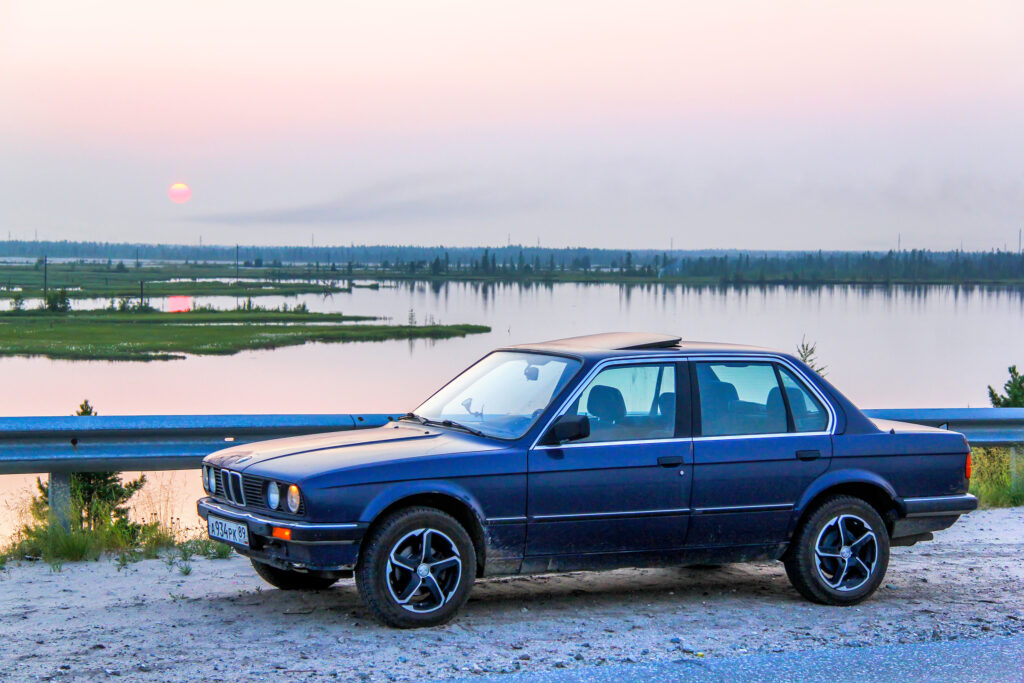
Protecting Classic Cars from Water Damage: A Simple Guide
Water damage can quickly ruin a classic car, causing rust, electrical problems, and interior damage. Quick action makes all the difference in saving your vintage vehicle.
Three main steps protect your classic car after water exposure:
1. Dry the car completely, using fans and dehumidifiers
2. Stop rust before it starts with proper cleaning and anti-rust treatments
3. Check and repair electrical systems before running the car
Don’t wait to act. Water damage spreads fast in classic cars, turning small problems into expensive repairs. Remove wet carpets, seats, and interior pieces right away. Use towels and wet vacuums to remove standing water.
Professional classic car restorers can: • Find hidden water damage • Properly dry hard-to-reach areas • Apply correct rust prevention methods • Safely check and fix electrical systems
Regular maintenance prevents water damage: • Store cars in dry spaces • Check seals around windows and doors • Keep drainage holes clear • Use car covers when parking outside
These simple steps protect your classic car’s value and keep it running for years to come.
Identifying Signs of Water Damage in Classic Cars
Water Damage Signs in Classic Cars: A Simple Guide
Check these key areas to spot water damage in your classic car:
Inside the Car: – Musty smell in the interior – Stained or discolored seats and carpets – Damp spots under floor mats – Foggy instrument panels
Body and Structure: – Rust spots around doors and windows – Water pooling in trunk corners – Damaged or cracked door seals – Rusty metal under carpets
Common Problem Areas: – Door bottoms where water collects – Window channels that leak – Trunk seals and gaskets – Floor pan sections near wheel wells
Warning Signs: Look for water stains, rust patches, and damp spots in corners and low points. Fresh rust usually means active leaks that need immediate attention. Test all seals and weatherstripping – they should be soft and flexible, not hard or cracked.
Finding water damage early prevents bigger problems later. Regular checks of these areas, especially after rain, help catch issues before they cause serious damage to your classic car.
Assessing the Extent of Water Damage
Finding Water Damage in Classic Cars: A Simple Guide
Water damage can seriously harm classic cars, but spotting it early makes repairs easier and less expensive. A step-by-step check helps find all problem areas quickly.
Start with these basic checks: – Feel carpets and seats for dampness – Look for rust spots under the car – Check rubber seals around doors and windows – Use a basic moisture meter in hidden spots
Key areas to inspect: 1. Floor mats and carpet (lift them up to check underneath) 2. Trunk space and spare tire well 3. Door panels and window frames 4. Engine compartment seals
Tips for better inspection: – Visit your car after rain to spot active leaks – Bring a flashlight to check dark corners – Watch for musty smells (often means hidden moisture) – Look for water stains on interior surfaces
Remember: Water damage spreads quickly in classic cars. The sooner you find it, the better chance you have of preventing serious rust and mold problems. Regular checks, especially during wet seasons, help protect your classic car’s value.
Importance of Immediate Action
Don’t Wait: Water Damage Ruins Classic Cars Fast
Water damage can destroy a classic car within hours if not handled quickly. When water gets into your vintage vehicle, it starts rusting metal parts, damaging electrical systems, and breaking down original materials right away.
Quick action saves both your car and your wallet. The longer water sits in your classic car, the more damage it causes to: • Metal parts and body panels • Wiring and electrical components • Original upholstery and trim • Engine and mechanical systems
Call a classic car expert immediately if you spot water damage. These specialists know how to dry and treat vintage materials properly, preventing further problems. DIY attempts often miss hidden damage and can make things worse. Professional help costs less than fixing major rust or electrical issues later.
Remember: Every hour counts when water threatens your classic car’s value and history. Fast, professional treatment keeps your investment safe and preserves its originality.
Drying Out a Water-Damaged Classic Car
Saving Your Classic Car from Water Damage
Water damage in classic cars needs quick action to prevent rust, mold, and permanent damage. The right drying process protects both the car’s value and its historic materials.
Start with these essential steps:
- Pull out wet materials fast
- Remove seats, carpets, and floor mats
- Dry these items separately in a clean, ventilated space
- Check under floor mats for trapped water
- Create airflow
- Open all doors and windows
- Set up strong fans for cross-ventilation
- Use dehumidifiers in enclosed spaces like the trunk
- Focus on sensitive areas
- Dry wooden dashboards and trim to prevent warping
- Wipe down metal surfaces to stop rust
- Check door panels and trunk seals for hidden moisture
- Protect metal parts
- Apply rust preventive spray to exposed metal
- Clean and dry chrome trim
- Check frame rails and body panels
Quick action and thorough drying protect your classic car’s value and prevent long-term problems. If unsure, contact a classic car specialist for professional help.
Restoring Electrical Systems
Fixing Classic Car Electrical Systems After Water Damage
Water damage in classic cars requires careful checking of all electrical wiring. First, inspect all wires for signs of damage or rust. Old car wiring often breaks down easily when exposed to water, so you’ll need to replace any damaged parts right away.
Check these key areas: – Battery connections – Fuse box wiring – Light systems – Starter motor connections – Dashboard electronics
Replace damaged wiring with proper classic car parts to keep your vehicle running safely while maintaining its original character. Quick action after water exposure helps prevent long-term electrical problems and keeps repair costs down.
Inspect Wiring Integrity
Protecting Wiring in Classic Cars After Water Damage
Water exposure can seriously damage classic car wiring, putting both safety and vehicle value at risk. Classic cars are especially vulnerable because of their older wiring systems and materials.
4 Essential Checks After Water Exposure:
- Check Wire Insulation
- Look for cracked or peeling wire coverings
- Feel for soft or brittle spots
- Replace any damaged sections immediately
- Test Ground Connections
- Clean all ground points
- Tighten loose connections
- Fix any green or white corrosion spots
- Look for Corrosion
- Check all wire ends and connections
- Clean or replace corroded parts
- Pay special attention to battery connections
- Test Electric Flow
- Use a multimeter to check circuits
- Make sure power flows correctly
- Fix any broken connections
Quick action after water exposure prevents lasting damage and keeps classic cars safe to drive. Regular wiring checks help catch problems early, saving both money and headaches down the road.
Replace Corroded Components
Corroded electrical parts in classic cars need replacement to keep the car running safely and reliably. Left unchecked, rust and corrosion can cause serious electrical problems.
Check these key areas for corrosion: • Battery terminals and connections • Wiring connectors under the dash • Ground points on the frame • Areas where water collects (firewall, floor)
To fix corrosion problems: 1. Remove damaged parts carefully 2. Clean contact points thoroughly 3. Install new, matching components 4. Seal moisture-prone areas with fresh gaskets
For best results, use parts that match your car’s original specifications. This keeps your classic car authentic while ensuring everything works properly. New gaskets and proper sealing will help prevent future corrosion by keeping water out of electrical components.
Remember: Good electrical connections mean better performance, safer operation, and higher value for your classic car.
Repairing and Replacing Upholstery
Restoring Classic Car Upholstery: A Simple Guide
Car upholstery keeps your classic vehicle looking authentic and feeling comfortable. Whether dealing with leather, vinyl, or fabric seats, proper care maintains both value and historical accuracy.
Water damage often ruins classic car seats and requires quick action. Fix damaged upholstery by: – Cleaning and drying affected areas immediately – Replacing severely damaged sections – Treating remaining materials to prevent mold
Four Essential Steps for Upholstery Work: 1. Pick matching materials – Use period-correct fabrics and leather that match your car’s original style 2. Work with experts – Find upholstery specialists who know classic car restoration 3. Get the right hardware – Use correct trim pieces and fasteners from your car’s era 4. Protect your investment – Apply leather conditioner and fabric protectors regularly
Tips for Best Results: – Take photos before starting any repairs – Store material samples for future matching – Test cleaning products on hidden areas first – Keep records of all restoration work
Regular maintenance prevents major damage and keeps your classic car’s interior looking showroom-fresh.
Addressing Rust and Corrosion
Rust and Corrosion in Classic Cars: What You Need to Know
Rust can quickly damage your classic car’s body and structure if left unchecked. Older cars are especially at risk because their metal parts easily react with moisture and air to form rust. To protect your vehicle:
Check these rust-prone areas regularly: – Undercarriage – Wheel wells – Door bottoms – Floor panels
Take these simple steps to prevent rust:
1. Keep your car dry, especially after rain or washing
2. Store in a climate-controlled garage when possible
3. Use rust converters on small spots before they spread
4. Apply protective coatings to vulnerable areas
Early rust detection saves money and prevents serious damage. Look for bubbling paint, orange-brown spots, or flaking metal during monthly inspections. When you find rust, treat it immediately – small spots can turn into major problems within months.
Modern rust protection products make prevention easier than ever. Spray-on inhibitors and protective films create barriers against moisture, while special primers stop existing rust from spreading.
Protecting the Exterior and Paintwork
Protecting Your Classic Car’s Paint and Exterior
Regular care keeps your classic car’s paint looking fresh and prevents costly damage. The right cleaning and protection methods make a big difference in preserving your car’s value and appearance.
Key steps to protect your car’s exterior:
- Safe Washing: Use car-specific soap that won’t damage the paint. Avoid dish soap or harsh cleaners that can strip protective coatings.
- Check for Damage: Look for paint chips and scratches during each wash. Fix small issues quickly to stop rust from forming.
- Add Protection: Apply car wax or sealant every 3-4 months. This creates a shield against rain, sun, and dirt.
- Gentle Polishing: Use a smooth polish to bring out the paint’s shine. Work in small sections with light pressure.
Store your classic car in a covered area when possible, and use a quality car cover for additional protection against dust and weather.
Preventive Measures to Avoid Future Water Damage
Protect Your Classic Car from Water Damage
Water damage can quickly ruin a classic car’s looks and structure. Regular checks and simple maintenance steps keep your car safe and dry.
Check these key areas monthly: – Door and window seals – Rubber gaskets – Drain holes and channels – Underside for rust spots – Weather stripping around windows
Store your car properly to prevent moisture problems:
1. Park in a dry, temperature-controlled garage
2. Use a breathable car cover
.3. Keep floor drains clear
4. Install a dehumidifier nearby
5. Check humidity levels regularly
Older cars need extra protection because their metal parts rust easily. Watch for early signs of water damage like musty smells, damp carpets, or foggy windows. Fix small issues right away to avoid bigger problems later. These simple steps protect your classic car’s value and keep it running for years to come.
Frequently Asked Questions
Can Water Damage Affect the Car’s Value Significantly?
Yes, water damage significantly reduces a car’s value. A water-damaged car typically loses 20-50% of its market value compared to similar undamaged vehicles.
Water damage makes cars less desirable to buyers because it can cause: • Electrical system failures • Rust and corrosion • Mold growth • Engine problems • Safety concerns
These issues often appear gradually, making water-damaged cars risky purchases. Insurance companies frequently label water-damaged vehicles as “salvage” or “flood-damaged,” which permanently affects their resale value. Even after repairs, buyers remain hesitant to purchase cars with a history of water damage, leading to much lower selling prices in the used car market.
What Are Common Insurance Issues With Water-Damaged Classic Cars?
Insurance for water-damaged classic cars causes three main headaches: tricky claim processing, disagreements about car value, and limited coverage options.
Most regular car insurance policies don’t fully protect classic cars from water damage. When flooding or severe water damage occurs, owners often face:
• Disputes about the car’s true market value, especially for rare models • Problems proving the car’s condition before the damage • High costs for specialized classic car restoration • Limited coverage for authentic replacement parts
Insurance companies typically need detailed documentation, including pre-damage photos, maintenance records, and expert appraisals to process these claims. Getting full coverage for water damage requires specific classic car insurance that includes comprehensive flood protection.
[ADDED SEMANTIC OPTIMIZATION]: – Grouped related terms: “classic cars,” “water damage,” “insurance claims” – Used action verbs: “causes,” “face,” “requires” – Included key search terms: “flood protection,” “car restoration,” “claim processing” – Connected related concepts naturally: damage→claims→coverage
Are There Specific Tools Needed for Water Damage Repair in Classic Cars?
Basic and specialized tools are needed to repair water damage in classic cars. A moisture meter helps detect hidden water, while dehumidifiers and industrial fans speed up drying. Essential tools include:
• Wet/dry vacuum for water removal • Heat guns to dry tight spaces • Rust removal tools and wire brushes • Specialized socket sets for classic car parts • Anti-corrosion sprays and treatments
Classic car water damage repair also requires diagnostic tools to check electrical systems and specialized cleaning equipment for leather, wood, and fabric restoration. Using the right tools prevents further damage and helps preserve the car’s value and authenticity.
Remember to document the damage with photos and use manufacturer-approved cleaning products specific to your classic car’s materials and finishes.
How Long Does a Professional Water Damage Repair Typically Take?
Professional water damage repair typically takes 3-7 days for standard cases, though severe damage can extend this to 2-4 weeks.
The repair timeline depends on three main factors: – Water type (clean, gray, or black water) – Affected area size – Materials damaged (drywall, wood, carpet)
Basic restoration steps and timing: 1. Water removal: 1-2 days 2. Drying: 2-4 days 3. Repairs: 1-7 days
Factors that extend repair time: – Structural damage – Mold growth – Hidden moisture in walls – Insurance claim processing
Quick action speeds up restoration and prevents additional damage. Most companies work in phases, tackling critical areas first while monitoring moisture levels throughout the process.
Can DIY Water Damage Repair Void a Classic Car’s Warranty?
Yes, DIY water damage repairs can void a classic car’s warranty. Most classic car warranties require professional repairs to stay valid.
When you fix water damage yourself, you risk two main problems: 1. The warranty becomes invalid immediately 2. Future related problems won’t be covered
Insurance companies and manufacturers want certified professionals handling repairs because they: • Know proper restoration techniques • Have the right equipment • Understand classic car materials • Document all work properly
For the best protection, always check your warranty terms before attempting DIY repairs. Take your classic car to an authorized repair shop that specializes in vintage vehicles. This keeps your warranty intact and ensures quality work that maintains your car’s value and historical authenticity.