
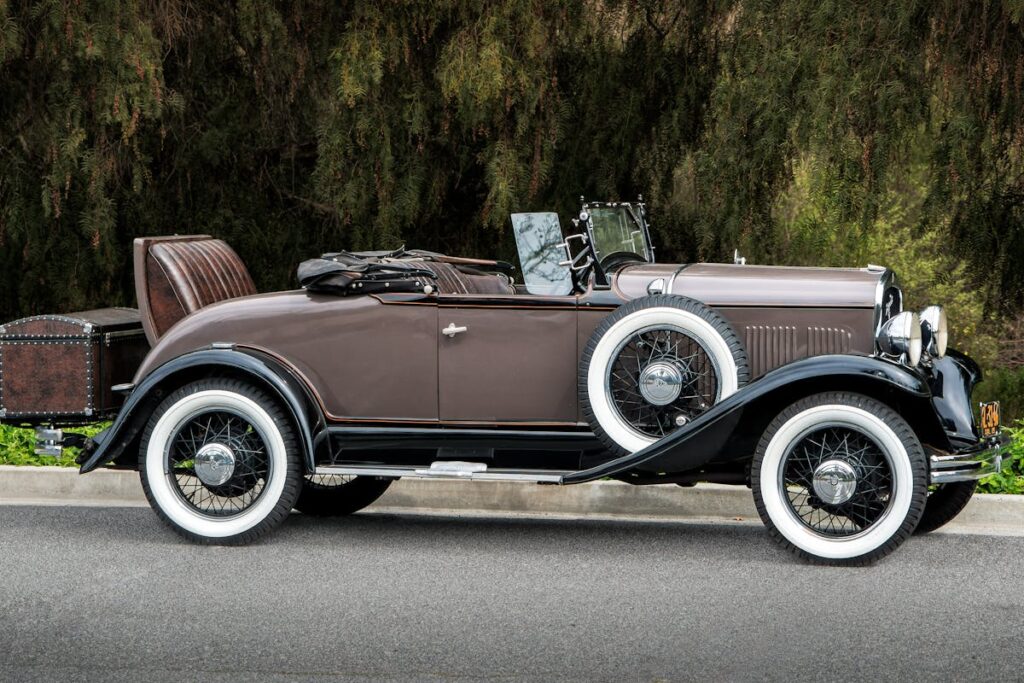
Starting a Classic Convertible Restoration
Check the car thoroughly before buying – look for rust, damage, and old repairs. Set aside 20% extra money for surprise fixes that always pop up during restoration. Finding genuine parts is key, so connect with trusted specialty suppliers who stock components for your specific model.
Focus on two main areas: 1. Engine and mechanical work to get the car running reliably 2. Body and paint restoration to make it look great
Quick Tips: – Document everything with photos – Research your car’s specific model details – Join online restoration communities – Keep all receipts and part numbers – Start with safety-critical repairs first
Planning and patience make classic convertible restoration smoother and more successful. A well-organized approach helps avoid common pitfalls and keeps costs under control while bringing your classic back to life.
Assessing the Condition of Your Convertible
Checking Your Convertible’s Condition
Start with a basic visual inspection of your convertible to spot any obvious problems. Look for rust spots, dents, and signs of previous repairs. Focus on these key areas:
Body and Frame Check the car’s structure for rust, especially around wheel wells, floor panels, and the chassis. Tap suspicious areas with your knuckle – solid metal sounds different from rusted spots. Look underneath the car for bent frames or questionable repair work.
Previous Repairs Examine paint colors and textures closely. Mismatched paint, uneven panel gaps, or rough welds often reveal past repairs. Take photos of problem areas to help plan your restoration work.
Safety Check Test basic functions like brakes, steering, and suspension. Listen for unusual noises during a short drive. Bounce each corner of the car – it should stabilize quickly without continued movement.
This systematic approach helps identify major issues before starting restoration work, saving time and money while preserving your classic car’s value.
Setting a Realistic Budget and Timeline
Planning Your Classic Car Budget and Timeline
A successful classic convertible restoration needs two things: a solid budget and a realistic timeline. These basics help you finish your project on time and within cost.
Money Matters: – Set aside extra money (about 15-20%) for surprise repairs – Old cars often hide rust or need hard-to-find parts – Keep track of all costs in a simple spreadsheet
Project Steps: – Break the work into clear phases (like body work, engine, interior) – Set dates for finishing each major task – Check your progress every month
Smart Planning: – List all tools and supplies you’ll need – Calculate workshop rental costs – Get quotes from specialists before starting – Consider whether you need help from professionals
This straightforward approach helps prevent common restoration pitfalls like running out of money or letting the project drag on. Remember: most restorations take longer and cost more than first expected, so plan accordingly.
Sourcing Authentic Parts and Materials
Finding Real Parts for Your Classic Car
Getting genuine parts is vital for any classic convertible project. The best places to start are specialty vintage car suppliers who stock original manufacturer (OEM) parts. Join local car clubs and online forums – fellow collectors often know the most trustworthy vendors and can share their experiences.
Checking Part Quality
Before buying any part, inspect it carefully for damage and wear. Look for: • Original part numbers • Factory packaging when possible • Signs of rust or previous repairs • Proper fit for your specific car model
A quick tip: Take photos of your original parts to compare with potential replacements. This helps ensure you’re getting exactly what your car needs. When buying used parts, always verify they match your car’s year and specifications. Good documentation and careful inspection now save time and money later.
Addressing Mechanical and Engine Repairs
Fixing the Engine and Mechanical Parts
Getting your classic convertible back on the road starts with proper engine and mechanical repairs. A step-by-step approach helps catch and fix problems before they become bigger issues:
- Check the Engine: Listen for unusual noises, check engine performance, and test for basic issues like misfires or rough idling. Use a diagnostic tool to spot problems you can’t see or hear. This helps prevent breakdowns and keeps your car running smoothly.
- Fix the Transmission: Look for transmission fluid leaks, check if gears shift smoothly, and test the clutch. Bad transmission signs include grinding noises, delayed shifting, or slipping gears.
- Update Mechanical Parts: Replace worn brake pads, check steering response, and test shock absorbers. Regular maintenance of these parts keeps your car safe and comfortable to drive.
These repairs take time and care, but they’re essential to make your classic convertible reliable for daily driving.
Restoring the Body and Paintwork
Restoring a classic convertible’s paint and body requires careful work but isn’t as complex as it might seem.
First, check the car’s surface for rust spots, dents, and paint problems. This helps create a repair plan and shows what needs fixing first.
Next, strip off the old paint. Most shops use either chemical removers or sandblasting – both work well and won’t harm the metal underneath when done right.
After stripping, apply primer to help the new paint stick better. Then spray on the paint layers in a clean space to keep dust and dirt away.
Finish with a clear protective coat. This final layer guards against sun damage and gives the car that showroom shine that makes classic convertibles turn heads.
Remember: Good paint prep leads to better results. Take time with each step, and don’t rush the process. A properly restored paint job can last many years with basic care.
Revamping the Interior and Upholstery
Interior and Upholstery Restoration for Classic Convertibles
Bringing your classic convertible’s interior back to life requires careful attention to original designs and materials. This guide covers the main areas you’ll need to address for an authentic restoration.
Seat Reupholstering Fresh upholstery transforms worn-out seats into showroom-quality pieces. Choose materials that match your car’s original specs – whether leather, vinyl, or cloth. A professional upholsterer will remove old coverings, repair springs and padding, then install new material using proper stitching patterns for your specific model.
Dashboard Renewal Your dashboard is the control center and needs special care. Replace cracked panels, repair broken gauges, and restore faded surfaces. Focus on cleaning and repairing original switches, knobs, and instruments rather than replacing them with modern parts to maintain authenticity.
Interior Trim Work Wood, chrome, and panel details make your classic car’s interior special. Clean and refinish wood surfaces, polish metal trim, and repair any loose or damaged panels. Replace missing pieces with authentic reproductions that match your car’s year and model. This attention to detail preserves your car’s original character.
Ensuring Electrical Systems Are Functional
Testing Your Classic Car’s Electrical System
Checking your classic convertible’s electrical system is straightforward with the right approach. Start by looking at the wiring – damaged or exposed wires need immediate attention. Use a simple multimeter to test the basics: battery voltage, fuses, and circuits. This tells you if everything’s getting power where it should.
Look closely at all connections and clean any dirty or rusty spots. Loose or corroded connections are often the main cause of electrical problems. Test major parts like the starter and alternator to make sure they work under normal driving conditions.
To prevent future issues, secure any loose wires and add dielectric grease to connections. This special grease keeps moisture out and stops rust from forming. Regular checks help catch small problems before they become bigger ones.
Quick Tips: – Check wires for damage monthly – Clean connections at least twice a year – Test battery strength every season – Keep spare fuses in the car – Document any repairs for future reference
Replacing or Repairing the Convertible Top
When to Replace or Fix Your Convertible Top
A well-maintained convertible top keeps your car looking great and protects it from rain and sun. Before deciding to repair or replace your top, check these key areas:
- Check the Material: Look for obvious damage like tears, holes, or fading in the fabric or vinyl. Small rips might be repairable, but large tears or severe fading usually mean it’s time for a replacement.
- Test the Frame: Move the top up and down to check for smooth operation. Listen for squeaks or grinding sounds. Look for rust spots or bent parts that could damage a new top.
- Test Weather Seals: Run water over the top or check during rain. If you see leaks or feel drafts, the seals may need replacement along with the top.
Choose quality replacement parts that match your car’s original specifications. A proper-fitting top from a reputable manufacturer will last longer and look better than cheaper alternatives. Most convertible tops last 5-7 years with regular care.
Conducting a Thorough Test Drive and Final Inspection
Test driving and inspecting a classic convertible properly ensures you’ve got a safe, reliable car that’s truly ready for the road.
Take the car for a drive and check these key areas: – How the engine starts, runs, and responds to acceleration – Steering and braking performance – Unusual noises or vibrations – Gear shifts and clutch operation – Temperature gauge readings
After driving, do a final walk-around: – Test the convertible top’s operation several times – Check all interior features (AC, radio, windows, seats) – Look for any fluid leaks under the car – Verify all lights and signals work properly – Ensure the top seals tightly when closed
This thorough testing helps catch any issues before they become problems on the road. A proper inspection gives you confidence in your classic convertible’s condition and helps maintain its value.
Assess Performance and Handling
Testing Your Classic Convertible’s Performance
A thorough test drive and inspection will tell you if your classic convertible is ready for restoration. Focus on these key areas to spot potential issues early:
- Suspension Check Check how the car rides over bumps and turns. Bad suspension parts like worn shocks or springs make the car bounce and sway. Listen for clunking sounds – they often mean worn bushings need replacement. A smooth, stable ride shows good suspension health.
- Steering Test Turn the wheel at different speeds. The car should respond quickly and track straight. If the steering feels loose or the wheel vibrates, the system likely needs repair. Good steering means better control and safer driving.
- Brake Inspection Test the brakes at various speeds. They should stop the car smoothly without pulling to one side. Check brake fluid levels and look for worn pads or damaged rotors. Strong, reliable brakes are crucial for your safety and driving confidence.
Inspect Convertible Mechanisms
Checking convertible mechanisms is a crucial step in any car restoration project. A properly working convertible top keeps your car safe from weather damage and ensures smooth operation.
Start by testing the convertible top’s movement. Press the button and watch how it opens and closes – it should move smoothly without jerking or making strange noises. Check these key parts: – Hydraulic pump (powers the top’s movement) – Electric motor (drives the mechanism) – Connecting parts and joints – Weather seals around the edges
Look for obvious problems like rust, worn-out parts, or pieces that don’t line up correctly. Bad parts can stop your top from working and let water leak in. Open and close the top several times during a test drive to make sure everything works consistently.
When the inspection is done, the top should move easily between positions and seal tightly when closed. If you spot any issues, fix them right away to prevent bigger problems later.
Evaluate Interior and Comfort
Getting the Interior and Comfort Right in Your Classic Convertible
A proper interior restoration makes your classic convertible as comfortable as it is beautiful. Take these simple steps during your test drive and inspection to ensure everything meets restoration standards:
Seating Comfort Check that seats feel firm and supportive, with no sagging or worn spots. The cushions should hold their shape, and the upholstery should be tight and smooth. Sit in each position to make sure you can drive comfortably for extended periods.
Climate Control Test the heating and cooling systems in all settings. The air should flow evenly, respond quickly to temperature changes, and maintain consistent comfort levels throughout the cabin.
Noise and Vibration Drive the car at different speeds on various road surfaces. Listen for rattles, squeaks, or wind noise. A well-restored convertible should feel solid and quiet, with minimal road noise or vibration reaching the interior.
These checks help ensure your classic convertible delivers modern comfort while maintaining its vintage charm.
Frequently Asked Questions
How Do I Safely Store a Classic Convertible During Restoration?
Store your classic convertible in a dry, temperature-controlled garage to protect it during restoration. Keep the space between 55-75°F with humidity below 50% to prevent rust and mold growth.
Cover the car with a breathable car cover to block harmful UV rays and dust. For the convertible top, store it in a raised position with padding to prevent creases and material breakdown. Add support bars if needed.
Protect mechanical parts by: – Applying fresh lubricant to hinges and moving parts – Using jack stands to take weight off tires – Disconnecting the battery – Adding fuel stabilizer to prevent gas degradation
Check on your car monthly to spot any issues early and maintain proper airflow around the vehicle.
What Are the Best Resources for Learning Convertible Restoration Techniques?
The best resources for learning convertible restoration include hands-on workshops, online communities, and expert-led training. Join local classic car clubs to connect with experienced restorers who can teach you practical skills and share valuable tips. Visit online forums like ClassicCars.com and ConvertibleRepair.net, where you’ll find step-by-step guides, troubleshooting help, and detailed photos of restoration projects.
Look for video tutorials on YouTube from trusted restorers, subscribe to restoration magazines like Hemmings Motor News, and attend car shows to network with restoration experts. Many automotive technical schools now offer specific courses in classic car restoration, combining classroom learning with practical workshop experience.
These resources work together to give you a complete learning experience, from basic techniques to advanced restoration skills.
How Can I Determine the Historical Value of My Classic Convertible?
Finding Your Classic Convertible’s Value – A Simple Guide
The value of your classic convertible comes down to three main factors: past sales records, expert opinions, and the car’s history. To get an accurate estimate:
- Check recent auction prices for similar models
- Contact a classic car appraiser for professional evaluation
- Track down your car’s ownership and maintenance records
The rarer your convertible and the higher the demand from collectors, the more valuable it becomes. Market trends play a big role – popular models from certain decades often sell for higher prices. Look for similar cars on specialty websites and classic car forums to understand current asking prices in the market.
Remember: A documented service history and original parts typically increase your car’s value significantly.
Are There Insurance Considerations Specific to Classic Convertibles Under Restoration?
Yes, classic convertibles under restoration need special insurance coverage. These cars require different protection than regular vehicles because they’re works in progress.
Standard auto insurance won’t cover a car being restored. You’ll need specialized classic car insurance that understands restoration projects. These policies typically offer:
• Agreed value coverage – you and the insurer decide the car’s worth upfront • Flexible coverage that changes as restoration progresses • Protection for parts and materials during the rebuild • Coverage for different storage locations (garage, workshop)
Insurance costs depend on: • Current condition of the car • Stage of restoration • Security of storage location • Estimated final value • Your restoration experience
Always tell your insurer about major restoration updates – this helps ensure you have the right coverage as your classic convertible transforms from project to showpiece.
What Common Mistakes Should I Avoid During Convertible Restoration?
Two big mistakes to avoid in convertible restoration: over-restoration and paint damage.
Over-restoration happens when you try to make everything too perfect, which can actually hurt your car’s value. Classic car collectors often prefer some signs of age that show the car’s history and authenticity.
Paint work requires special care. Using harsh cleaners or aggressive sanding can permanently damage the original finish. Start with the gentlest cleaning methods first, and always test products on a small, hidden area. If you’re unsure about a restoration step, consult a professional to protect your investment.
Common paint mistakes to avoid: – Using wrong-grit sandpaper – Applying harsh chemical cleaners – Rushing through prep work – Skipping proper masking – Working in poor lighting conditions