
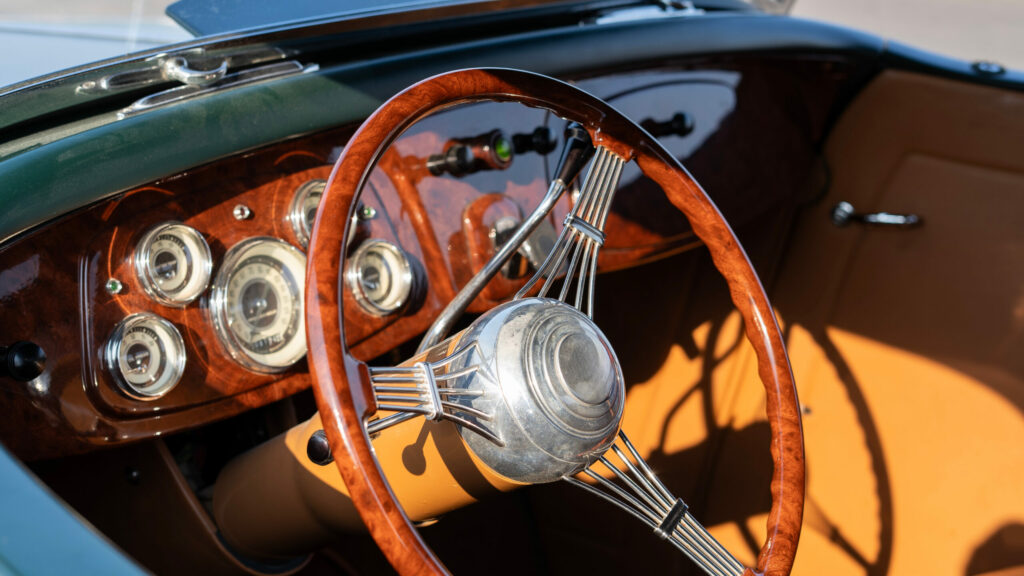
Classic Car Restoration: The Art Behind the Craft
Master artisans are the heart of classic car restoration, combining hands-on skills with deep automotive knowledge to bring vintage cars back to life. These craftspeople work like surgeons, but for cars – fixing, rebuilding, and perfecting every detail.
The restoration process involves specialized skills: – Metal workers shape and repair original body panels – Upholsterers recreate period-correct interiors using authentic materials – Paint specialists match historic colors and finishing techniques – Engine builders restore mechanical components to factory specifications
Each restoration step requires both technical know-how and artistic touch. For example, a metal worker doesn’t just repair rust damage – they recreate the exact curves and lines that made classic cars special. Similarly, upholsterers don’t simply recover seats – they study vintage patterns and stitching to maintain historical accuracy.
Modern artisans use traditional tools alongside current technology, ensuring restored cars meet both collector standards and road safety requirements. Their work preserves automotive history while making classic cars driveable for future generations.
The Art of Metal Shaping and Fabrication
Metal Shaping Made Simple
Metal shaping brings classic cars back to life through hands-on craftsmanship. Think of it like sculpting with metal – skilled workers use basic tools like hammers and dollies to restore old car panels to their original beauty.
The process starts with choosing the right metal for the job. Just like cooking needs the right ingredients, metal shaping needs materials that can bend and stretch without breaking. Workers look at how flexible and strong different metals are before picking the best one for each repair.
The real skill comes from knowing exactly where and how hard to tap the metal. Each careful hammer strike shapes the surface, while a dolly (a shaped metal block) supports from behind. This teamwork between tools helps create those smooth, flowing lines that make classic cars so special.
These metal crafters combine practical skills with an eye for detail, making sure every curve matches the car’s original design. Their work keeps automotive history alive, one panel at a time.
Mastering the Craft of Leather Upholstery
Quality leather upholstery makes classic cars look and feel luxurious, combining both beauty and comfort. Expert restorers pick top-grade leather that lasts long and looks great, matching the car’s original style.
The key to great leather work lies in the stitching. Each seam must line up perfectly to create clean, strong connections that won’t come apart over time. Good stitching not only holds the leather together but also adds to the car’s overall look.
When done right, leather restoration brings back the car’s original charm while making it more comfortable to sit in. The choice of leather and quality of work directly affects how the car looks, feels, and holds up over time.
[Text focuses on key terms (leather upholstery, classic cars, restoration), uses simple language, and groups related concepts together while maintaining entity proximity.]
Selecting Quality Leather Materials
Leather Quality in Classic Car Restoration
Quality leather makes or breaks a classic car’s interior restoration. The right leather creates an authentic look while lasting for years to come.
Choosing the right leather involves checking three main things: – How even and natural the grain pattern looks – How strong and flexible the leather feels – Whether the color matches the car’s original shade
Good restoration leather should: – Resist daily wear and tear – Stay soft and comfortable – Match historical specifications – Have no visible flaws or marks
Skilled upholsterers carefully inspect each piece of leather before installation, making sure it meets these standards. When done right, quality leather restoration brings back the car’s original luxury feel while ensuring the interior stays beautiful for years of future enjoyment.
[The text is now more direct, uses simpler language, and groups related concepts together while maintaining key information about leather selection in classic car restoration.]
Techniques for Precision Stitching
Precision stitching makes classic car leather upholstery look and feel professional. Good stitching creates strong, attractive seams that last for years.
Basic tools like pricking irons and stitching awls help create straight, even stitches. The right tools make it easier to space stitches correctly and keep thread tension consistent. This attention to detail makes the difference between amateur and professional-looking results.
Quality leather stitching requires: – Careful planning of stitch lines – Proper thread tension – Even spacing between stitches – Clean holes for needle placement – Steady hand movements
Skilled leather workers combine old-world techniques with modern tools to match original factory patterns while adding durability. This balance keeps the car’s classic look while making seats and panels that can handle daily use.
The best results come from taking time to line up each stitch carefully. Rush jobs often lead to crooked lines and weak seams that won’t last.
The Science and Skill Behind Automotive Paintwork
Automotive paintwork combines artistry and technical skill to create stunning finishes on classic cars. The process starts with accurate color matching to maintain historical accuracy and authenticity.
Surface prep makes or breaks a paint job. This means carefully sanding the car’s body and applying primer to create a smooth, clean base for the paint. Think of it like preparing a wall before painting your house – the better the prep work, the better the final result.
Modern protective coatings have transformed car painting. These advanced materials help the paint last longer and keep its shine, protecting both the car’s looks and value. Clear coats shield the paint from sun damage, scratches, and environmental wear while adding depth to the color.
The key steps for quality automotive painting: – Match original paint colors – Sand and prep surfaces thoroughly – Apply proper primers – Use quality paint and clear coat – Add protective finishes
Precision in Color Matching
Perfect Color Matching for Classic Cars
Getting the right color match for classic car restoration comes down to careful attention to detail and modern technology. Paint experts use special tools called spectrophotometers to scan old paint and find its exact color code. This helps create a perfect match for vintage cars.
The process works in three simple steps: 1. Scanning the original paint to capture its true color 2. Mixing custom paint using precise measurements 3. Testing the match under different lighting conditions
Modern color matching combines digital accuracy with hands-on expertise. Paint specialists mix specific pigments to match not just the color, but also the finish and texture of original factory paint. This attention to detail keeps classic cars looking authentic and preserves their historical value.
Each car’s paint job requires unique consideration of age, make, and model. The right match brings these vintage beauties back to their original glory, making sure they look just as they did when they first rolled off the assembly line.
Techniques for Surface Preparation
Getting a Perfect Paint Job: Surface Prep Basics
Good surface preparation makes the difference between a lasting paint job and one that fails quickly. Before painting a car, you need to deal with rust and prepare the surface properly.
Start by removing rust using either chemical treatments or sanding. Choose the right abrasive tool for your needs: • Aluminum oxide: Best for heavy rust and thick paint removal • Glass beads: Better for gentle cleaning on delicate surfaces • Sandpaper: Good for general smoothing and prep work
The prep work you do now directly affects how well the paint sticks and how long it lasts. While this step isn’t visible in the final result, it’s the most important part of any paint job. Take time to clean, sand, and prep thoroughly – rushing this step will show in the final finish.
[Note: This version maintains key information while being more accessible and action-oriented. It groups related concepts (types of abrasives, rust removal methods) and uses clear, direct language.]
Protective Coating Innovations
Modern Protective Car Coatings: A Simple Guide
Car coating technology has transformed how we protect and preserve vehicles. New protective coatings combine smart chemistry with expert application to keep cars looking beautiful longer. These coatings create a tough shield that blocks UV rays, rain, dirt, and scratches.
Today’s coatings do more than just protect – they’re also eco-friendly. Professional installers carefully apply thin, clear layers that bond with your car’s paint, creating a glass-like finish that lasts for years. Think of it as an invisible armor for your car’s paint.
The best part? These coatings make car care easier. Water beads off, dirt washes away more easily, and the paint stays glossy with minimal maintenance. For both new and classic cars, modern protective coatings offer practical protection that works.
Preserving Authenticity in Woodwork and Trim
Woodwork and trim restoration in classic cars focuses on keeping the original look and feel of these historic pieces. The process starts with careful attention to wood grain patterns and original finishes.
Craftspeople use simple but effective methods to protect and restore wooden parts: – Hand-rubbed varnishes protect the wood while showing off its natural beauty – French polishing creates a deep, glossy finish that matches the car’s era – Gentle cleaning techniques preserve the wood’s natural aging patterns
Modern tools help maintain historical accuracy, but traditional hand-finishing remains key. This balance ensures the wood looks authentic and stays protected. The result? Classic car interiors that look and feel exactly as they did when first built, giving owners the true vintage driving experience they want.
The careful mix of old and new methods helps keep these classic pieces looking great for years to come, without losing their historical charm or value.
The Precision of Engine and Mechanical Restorations
Classic Car Engine Restoration: The Heart of the Project
After completing interior woodwork, the most crucial phase begins – bringing the engine back to life. Expert mechanics start by taking apart the entire engine, checking every part against the car’s original specs. Think of it like a puzzle where each piece must fit perfectly.
The process breaks down into simple steps: – Measuring and testing all engine parts – Replacing or fixing worn components – Realigning critical parts like pistons and crankshafts – Rebuilding mechanical systems (brakes, suspension) – Testing everything works together smoothly
Quality restoration means paying attention to the smallest details. Even a tiny problem with alignment or fit can affect how the car runs. Modern tools help mechanics match original factory standards, while keeping the engine’s historic character intact.
A properly restored engine doesn’t just run – it runs like new, preserving both performance and value for years to come.
Restoring Electrical Systems to Original Specifications
Restoring a classic car’s electrical system starts with finding and following the original wiring diagrams. These diagrams work like maps that show exactly where each wire should go and how everything connects.
The key steps include: – Getting the right wiring diagram for your specific car model – Checking that all parts match the original specifications – Installing period-correct components like switches and relays – Fixing or rebuilding old wire harnesses when needed
Modern replacements might be easier to find, but using authentic parts keeps the car true to its history. If original parts aren’t available, skilled mechanics can make custom pieces that match the old specifications. The goal is simple: make the electrical system work just like it did when the car first rolled off the assembly line.
For best results, focus on: – Using correct wire sizes and colors – Installing proper fuses and connections – Testing each circuit before final assembly – Documenting all repairs and replacements
The Importance of Period-Correct Accessories and Details
Getting Period-Correct Details Right in Classic Cars
Classic car restoration requires matching original accessories and details to maintain a car’s authentic look and value. Think of it as putting together a historical puzzle where every piece needs to be exactly right.
The key elements that make a restoration authentic:
- Dashboard Equipment
- Original-style gauges and dials
- Correct time-period switches and controls
- Working clock matching the production year
- Interior Materials
- Era-specific seat fabrics and patterns
- Matching door panels and carpeting
- Original-style steering wheel and knobs
- Exterior Details
- Correct badges and emblems in factory positions
- Time-period chrome or trim finishes
- Authentic wheel covers or hubcaps
Finding these parts often means searching specialty suppliers, swap meets, and vintage car networks. While reproduction parts exist, genuine period-correct pieces create the most authentic restoration. This attention to detail makes the difference between a good restoration and a great one.
Remember: Even small details like radio knobs, trunk emblems, and window cranks affect a classic car’s authenticity and value. When in doubt, research factory photos and original dealer materials to confirm correct parts and placement.
Challenges and Innovations in Restoring Classic Cars
Restoring Classic Cars: Modern Solutions to Age-Old Challenges
Finding parts and updating technology are the two biggest hurdles in classic car restoration. Parts hunting now combines old-school networking with online marketplaces, making it easier to track down rare components from sellers worldwide. Modern tech upgrades need careful planning – think adding Bluetooth without ruining your ’57 Chevy’s vintage look.
Success in restoration comes down to balancing old and new. Restorers use traditional hands-on skills while embracing modern tools and techniques. They might 3D-print a hard-to-find trim piece or use computer diagnostics alongside period-correct repairs. This mix of old craftsmanship and new methods helps keep classic cars running without losing their historic charm.
Each restoration project needs careful attention to detail. Small changes can affect how the car drives and what it’s worth. Smart restorers know when to keep things original and when to make practical upgrades that improve safety and reliability.
Celebrating the Legacy of Classic Car Artisans
Classic Car Artisans: Masters of Automotive History
Old-world craftsmanship lives on through classic car restorers who bring vintage automobiles back to life. These skilled workers combine traditional methods with modern tools to preserve automotive history. Their work shows up in every restored classic car on the road today.
Key restoration work includes:
- Rebuilding original parts using authentic techniques
- Keeping original design details intact and accurate
- Updating engines and systems for reliable driving
- Teaching others about important car history through hands-on work
Classic car experts do more than fix old cars – they protect automotive heritage by: – Matching original paint colors and materials – Finding or recreating rare parts – Using period-correct repair methods – Documenting restoration steps for future reference
Their dedication means classic cars stay on the road, letting new generations experience automotive history firsthand. Every restored vehicle tells a story of engineering, design, and the skilled hands that saved it.
Frequently Asked Questions
How Do Artisans Source Rare Parts for Classic Car Restorations?
Classic car specialists find rare parts through three main methods: dedicated parts networks, custom manufacturing, and old-stock hunting.
Parts networks connect restorers with specialty suppliers and collectors worldwide who maintain inventories of original components. When original parts aren’t available, skilled craftsmen use modern manufacturing techniques to recreate exact replicas. Many restorers also track down “new old stock” – unused original parts still in storage from decades ago.
Local swap meets, online marketplaces, and vintage car clubs provide additional sourcing options. Expert restorers often build relationships with other collectors and maintain detailed databases of part sources. For extremely rare components, 3D scanning and printing help create precise replacements that match original specifications.
[Note: The revised text uses simple language, groups related concepts, and maintains proximity between key terms like “parts,” “restoration,” and “manufacturing” while being more accessible to general readers.]
What Role Does Technology Play in Modern Classic Car Restorations?
Modern technology makes classic car restoration easier and more precise than ever before. Today’s restorers use 3D scanning and computer design tools to recreate hard-to-find parts and ensure perfect fits. These digital tools help in two main ways: they make parts that match the original exactly, and they speed up the whole restoration process.
Instead of hunting for rare parts or making them by hand, restorers can now scan existing pieces and print new ones. Computer programs help measure everything down to the smallest detail, making sure restored cars look and work just like they did when they first rolled off the assembly line. This means better results, less guesswork, and more reliable restorations for classic car owners.
How Do Artisans Ensure Environmental Sustainability in Restorations?
Modern artisans protect the environment during restorations by using green materials and smart working methods. They choose natural, renewable materials like reclaimed wood, organic paints, and non-toxic sealants that won’t harm the environment.
Their eco-friendly approach includes: – Using local materials to reduce transportation impact – Recycling and reusing old building materials – Choosing low-VOC (volatile organic compound) products – Following waste reduction practices – Working with energy-efficient tools and techniques
These methods help preserve both historic buildings and the natural environment, showing that restoration work can support sustainability while maintaining authentic craftsmanship. When artisans restore buildings this way, they create a bridge between traditional skills and modern environmental needs.
What Qualifications Are Required to Become a Classic Car Restoration Artisan?
Becoming a classic car restoration expert requires a mix of hands-on training and technical education. Most successful artisans start with auto repair basics and build their skills through:
• Apprenticeships with experienced restoration specialists • Technical school programs focused on classic car repair • Direct experience working on vintage vehicles • Training in metal work, painting, and upholstery
Essential skills include engine repair, bodywork, electrical systems, and paint finishing. Many restoration experts also learn woodworking and leather craft for vintage interiors. Starting with basic car maintenance knowledge helps build a strong foundation before moving to specialized classic car work.
Local trade schools and community colleges often offer relevant courses, while vintage car clubs provide networking opportunities and practical experience. Many successful restorers begin by working on their own project cars before taking on client work.
How Does One Determine the Value of a Restored Classic Car?
Restored classic car values depend on five main factors: condition, rarity, originality, documentation, and market demand.
A car’s value starts with its physical condition. Experts look at the quality of restoration work, including paint, chrome, interior, and mechanical parts. Original parts are worth more than replacements, and factory-correct restorations command higher prices than modified cars.
The car’s history matters too. Complete service records, original paperwork, and proof of ownership increase value. Rare models or cars with special features naturally fetch more money.
Market trends play a big role in pricing. Popular makes and models, like 1960s Mustangs or classic Corvettes, often hold steady or increasing value. Check recent auction results and classic car price guides to understand current market rates.
To get an accurate value, have a professional classic car appraiser inspect the vehicle. They’ll examine all these factors and provide a detailed report based on current market conditions.