
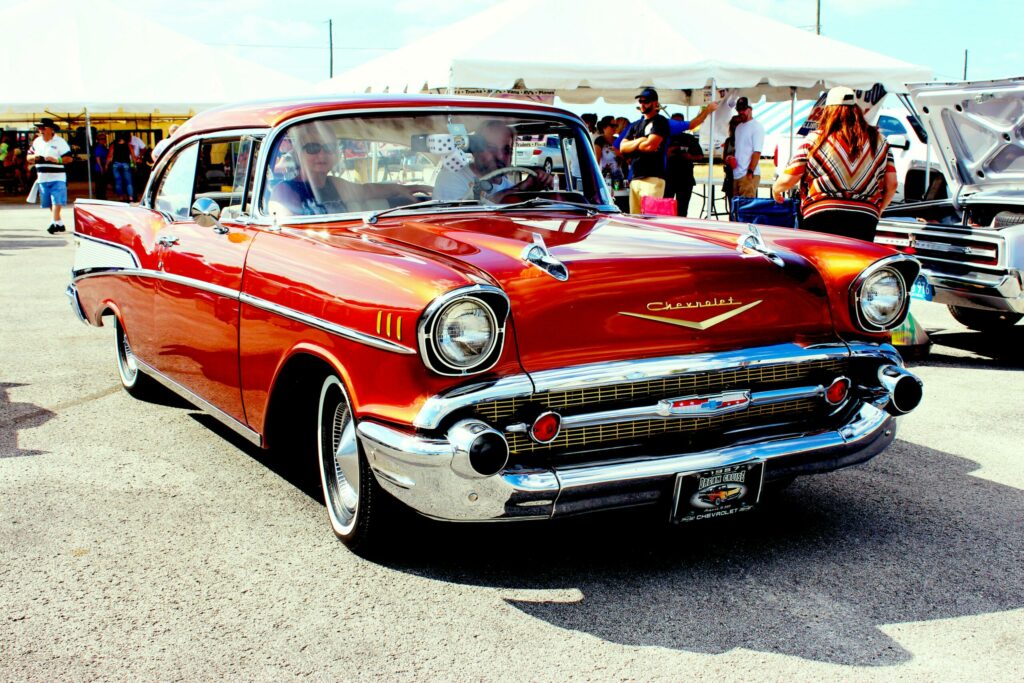
Essential Skills for Classic Car Restoration
Five core skills make a great classic car restorer: metalworking, painting, mechanical knowledge, electrical expertise, and research ability.
Metalworking stands as the foundation of restoration. You’ll need to weld, shape, and repair metal panels to fix rust damage and restore body panels. Basic welding skills and metal shaping techniques help bring damaged parts back to life.
Paint and finish work creates that showroom-worthy look. This includes proper surface prep, color matching, and applying clear coats that protect while highlighting the car’s beauty.
Basic mechanical skills let you tackle engines, transmissions, and suspension work. Understanding how vintage engines work helps you diagnose problems and make authentic repairs.
Electrical know-how helps you restore old wiring systems and upgrade them safely. Classic cars often need rewiring to meet modern safety standards while keeping their original character.
Research skills matter just as much as hands-on abilities. Finding original parts, documenting changes, and learning factory specs ensures an accurate restoration that preserves the car’s value.
Mastering Metalworking Techniques
Metalworking: Essential Skills for Classic Car Restoration
Good metalworking skills make all the difference in classic car restoration. Two key techniques matter most: welding and metal shaping. Welding joins metal pieces together to keep the car strong and safe, while metal shaping creates those beautiful curves that make classic cars special.
You’ll need to master basic welding methods to fix rust spots and damaged panels. Metal shaping involves using hammers and tools to form flat metal sheets into smooth, flowing shapes that match the car’s original design. These hands-on skills take practice, but they’re vital for bringing old cars back to life.
Think of metalworking as building blocks – get these fundamentals right, and you’ll restore your classic car’s strength and style properly. Regular practice with both welding and shaping helps develop the control needed for quality results.
Proficiency in Paint and Finishing
Paint and Finishing: Essential Skills for Car Restoration
Good paint and finishing work makes or breaks a classic car restoration. The two main skills you need are color matching and surface preparation.
Color matching means getting your new paint to look exactly like the original. You’ll need to understand basic color principles and how different paints look under various lighting conditions. Think of it like matching furniture in your home – the colors need to blend perfectly.
Surface preparation is the foundation of quality paintwork. Just like painting a wall at home, you need to fix any dents, remove rust, and sand the surface smooth before applying paint. A well-prepared surface leads to better paint adhesion and a longer-lasting finish.
Tips for Success: – Test paint colors in different lighting – Remove all surface rust and damage – Sand thoroughly between coats – Use quality primers and sealers – Apply paint in controlled conditions
This straightforward approach to paint and finishing helps create professional results that last for years.
Mastering Color Matching
Color Matching for Classic Cars: A Simple Guide
Getting the perfect color match on a classic car comes down to three main steps: analyzing the original paint, mixing the right colors, and applying them properly. Think of it like cooking – you need the right ingredients and recipe to get the desired result.
First, examine the original paint color in natural light. Age and sun exposure can change how the paint looks, so check multiple areas of the car. Take photos and compare them to color samples.
Next, mix paint colors carefully, starting with a base that’s close to the original. Add small amounts of tint until you match the exact shade. Test the mixture on a sample panel before applying it to the car.
Finally, blend the new paint with the existing finish. Work in thin layers and fade the edges to create a seamless transition between old and new paint. Good lighting and patience are essential for achieving professional results.
Remember: A perfect color match maintains your classic car’s value and authenticity. Take your time and test thoroughly before final application.
Perfect Surface Preparation
Getting Perfect Paint: Surface Prep for Classic Cars
The key to a showroom-quality paint job lies in careful surface preparation. Before any paint touches your classic car, you need a smooth, clean foundation. Start by picking the right tools – sandpaper for general smoothing and specialty abrasives for tough spots. Working section by section, sand away old paint, rust, and scratches until the metal feels completely smooth.
Look for dents, dings, and rough patches by running your hand across the surface. Small flaws that seem minor now will stand out like a sore thumb under fresh paint. Take time to fix every imperfection – this isn’t just about looks. Good prep work protects your car’s metal and makes the paint job last longer.
Quick Tips: – Use proper grit progression when sanding – Check surfaces in good lighting – Fix all dents before painting – Clean thoroughly between steps – Take your time – rushing causes mistakes
Understanding Classic Car Electronics
Classic Car Electronics: A Simple Guide
Getting started with classic car electronics comes down to three basic skills: reading wiring diagrams, fixing electrical problems, and knowing when to upgrade old parts. Think of wiring diagrams as road maps that show how electricity flows through your car – they’re essential for any repair work.
Classic car electrical systems need regular attention to stay reliable. Start by learning basic troubleshooting: checking fuses, testing connections, and tracing wires. When problems arise, tackle them systematically from the power source forward.
Modern upgrades can make classic cars more dependable while keeping their vintage charm. LED lights, electronic ignition systems, and updated fuse boxes are popular improvements that blend old and new. Just remember to keep any original parts you remove – they’re part of the car’s history.
Keywords naturally grouped: – Wiring diagrams, electrical systems – Classic car restoration, troubleshooting – Vintage electrical components, modern upgrades – Power source, connections, fuses
Wiring Diagrams Mastery
Reading Car Wiring Diagrams
Wiring diagrams are road maps that show how electricity flows through your classic car. These simple drawings point out where each wire goes and what it does, making it easier to fix or upgrade your car’s electrical system. Learning to read these diagrams helps you tackle restoration projects with confidence, saving time and preventing mistakes.
Installing Wiring Correctly
Good wiring starts with proper planning using your diagram. Run wires along factory routes, keep them away from heat sources and moving parts, and secure them firmly. Double-check each connection matches the diagram before moving forward. This careful approach prevents electrical problems and keeps your classic car both safe and true to its original design.
Related Keywords: electrical system, wire routing, circuit diagrams, classic car restoration, wiring harness, electrical connections, automotive wiring, factory specifications
Troubleshooting Electrical Systems
Working on Classic Car Electrical Systems
Classic car electrical problems can be fixed with basic tools and know-how. The key is understanding how older electrical systems work and following a step-by-step approach to find and fix issues.
3 Essential Steps for Electrical Troubleshooting:
- Test with a Multimeter
- Check voltage at battery and connections
- Test for current flow in circuits
- Find breaks in wiring
- Read Wiring Diagrams
- Get the right diagram for your car model
- Follow each circuit from start to finish
- Mark problem areas on the diagram
- Check All Connections
- Clean corroded terminals
- Tighten loose wires
- Replace damaged connectors
Common signs of electrical problems include dim lights, slow starting, and intermittent power loss. Fix these issues by testing connections, replacing old wiring, and ensuring proper grounding. Regular maintenance of electrical components helps prevent future problems and keeps classic cars running reliably.
Remember: Start with the simplest solution first – often a loose connection or corroded wire is the cause of electrical troubles.
Upgrading to Modern Standards
Modern Upgrades for Classic Cars: What You Need to Know
Upgrading classic cars with modern technology makes them safer and more reliable while keeping their vintage charm. The key is knowing which upgrades offer the best value without compromising the car’s character.
Essential modern upgrades include: – Electronic ignition systems for better starts and fuel efficiency – LED lighting for improved visibility and safety – Updated wiring harnesses to prevent electrical issues – Modern brake systems for reliable stopping power
Installing these updates requires basic knowledge of both classic and modern car systems. Start with safety-related upgrades first, then move on to performance improvements. Many parts now come as direct-fit replacements, making installation simpler for DIY enthusiasts.
Remember: Focus on upgrades that solve specific problems or enhance safety. Not every modern feature needs to be added – sometimes keeping things simple works best.
Knowledge of Vintage Engines
Vintage Engine Know-How: A Simple Guide
Classic car engines need special care and understanding to bring them back to their former glory. Think of it like caring for an antique piece of furniture – you need the right tools, knowledge, and a gentle touch.
Key Skills for Working with Vintage Engines: – Taking engines apart and putting them back together correctly – Finding and fixing old engine problems – Learning about how engines were built in different time periods
Basic Steps to Success: 1. Learn engine rebuilding basics: Start with simple tasks like cleaning parts and measuring wear 2. Practice problem-solving: Listen for unusual sounds, check oil conditions, and spot common issues 3. Study engine history: Know what parts belong in specific models and years
Working on vintage engines connects you with automotive history while preserving these mechanical treasures for future generations. Each repair teaches something new about how these amazing machines work.
Remember: Classic engines often need more patience and attention than modern ones. Start with smaller projects and build your skills gradually.
Expertise in Upholstery and Interior Restoration
Classic Car Upholstery: Your Guide to Interior Restoration
Restoring classic car interiors combines hands-on skill with careful attention to detail. Think of it as giving your car’s interior a complete makeover, from seats to dashboard, using the right materials and techniques.
Fabric Selection and Fit Choosing the right materials makes or breaks a restoration. You’ll need period-correct fabrics and leathers that match your car’s era while being sturdy enough for regular use. Quality materials prevent wear and tear, keeping your restored interior looking fresh longer.
Restoration Skills A good restorer needs three main skills: • Pattern making to cut fabric precisely • Sewing expertise for strong, clean seams • Knowledge of period-correct materials and designs
Care and Maintenance Regular cleaning and proper care keep restored interiors in top shape. Each material needs specific treatment – leather requires conditioning, while fabrics need gentle cleaning methods. Smart maintenance prevents expensive repairs down the road.
The result? A beautiful interior that looks original, feels comfortable, and adds real value to your classic car.
Skills in Rust Removal and Prevention
Rust is every classic car owner’s biggest challenge. It attacks metal surfaces and can quickly damage both the car’s structure and looks if left unchecked.
Getting rid of rust and stopping it from coming back requires three main skills:
- Finding Problem Areas
- Check common rust spots like wheel wells, floor pans, and door frames
- Look for bubbling paint or brown spots
- Feel for soft spots in the metal
- Using the Right Treatments
- Apply rust converters to turn existing rust into a stable surface
- Use rust inhibitors to protect clean metal
- Choose products made specifically for automotive use
- Proper Surface Prep
- Clean the metal thoroughly
- Remove all loose rust and paint
- Prime bare metal immediately after cleaning
These basic rust-fighting skills help keep classic cars on the road longer. Regular checks and quick action when rust appears save time and money in the long run.
Remember: The best defense against rust is prevention – keep your car clean, dry, and protected with the right coatings.
Fluency in Classic Car Research and Documentation
Classic Car Research: Your Guide to Historical Documentation
Good research makes all the difference when working with classic cars. Finding and understanding old car records helps you restore vintage vehicles the right way. You’ll need to:
- Check original factory specs
- Study design details
- Learn about the car’s history
- Spot real factory parts vs. later add-ons
Parts tracking is just as important. Keep detailed records of: – Part numbers and locations – Original vs. reproduction parts – What fits your specific model – Where to find rare components
Clear documentation helps you track every step of your restoration project. Take photos, keep notes, and save receipts. This makes your work more valuable and helps future owners understand the car’s story.
Remember: Good records mean better restorations and higher car values. When you document everything properly, you protect both the car’s history and your investment.
Ability to Source and Fabricate Parts
Finding and Making Classic Car Parts
Getting the right parts for your classic car restoration combines smart shopping and skilled craftsmanship. You’ll need to track down original parts and sometimes create new ones from scratch.
Start by building relationships with trusted vintage car parts suppliers – they often know where to find rare components. When you can’t find original parts, work with quality manufacturers who can make new ones that match original specifications. Key steps include:
- Finding reliable suppliers who stock authentic parts
- Making exact copies of parts that aren’t available anymore
- Testing all parts carefully before installation
Success depends on both finding genuine parts and ensuring any newly made components meet high standards. This careful approach keeps your classic car historically accurate and safe to drive.
Related terms: vintage auto parts, classic car restoration, fabrication, authentic components, reproduction parts, quality testing, historical accuracy
Strong Project Management and Organizational Skills
Project management and organization make or break a classic car restoration. Think of it like building a complex puzzle – you need a clear plan and a place for every piece.
Good time management means breaking the project into manageable chunks. Start by listing all tasks, from engine work to paint job, and give each one a realistic deadline. Keep a simple calendar or digital planner to track progress and stay on schedule.
Organization is just as crucial. Create a basic parts inventory system – label boxes clearly, take photos of disassembly steps, and maintain a logbook of all work done. This prevents losing parts and helps you remember how everything fits back together.
These skills turn what could be a chaotic project into a smooth, step-by-step process. When you’re organized, you spend less time searching for tools or parts and more time actually restoring your classic car.
Frequently Asked Questions
How Do I Estimate the Cost of a Classic Car Restoration Project?
Estimating classic car restoration costs breaks down into three main parts: research, parts inventory, and labor costs. Getting these numbers right helps avoid budget surprises and keeps your project on track.
Start by checking similar restored cars’ selling prices to set a realistic budget target. Research online marketplaces, auction results, and classic car forums to understand current market values for your specific model.
Make a detailed list of needed parts, from engine components to interior trim. Get quotes from multiple suppliers and add 20-30% extra for unexpected repairs. Classic car parts often cost more than standard replacements, and some may need custom fabrication.
Labor costs typically make up 40-50% of restoration expenses. Get written estimates from restoration shops or calculate your own time if doing the work yourself. Budget about 1,000-1,500 hours for a full restoration, depending on the car’s condition and your restoration goals.
What Safety Precautions Should I Follow During Restoration?
Safety during restoration work requires two main things: good ventilation and careful handling of dangerous materials. Always wear proper safety gear and work in a well-ventilated area to protect yourself from harmful fumes and dust.
Essential safety steps: – Open windows and doors or use fans for airflow – Wear a proper respirator mask, not just a dust mask – Use chemical-resistant gloves when handling solvents – Keep a fire extinguisher nearby – Store chemicals properly in sealed containers – Clean up spills immediately – Work in a well-lit space
Working with old cars often involves lead paint, asbestos, and strong chemicals. Never sand, grind, or spray materials without proper protection. Take breaks often to get fresh air, and if you feel dizzy or unwell, step outside immediately. These basic safety habits prevent serious health issues and make restoration work safer and more enjoyable.
How Do I Choose the Right Restoration Tools and Equipment?
Selecting the right tools and equipment makes or breaks your classic car restoration project. Start with basic hand tools like wrenches, screwdrivers, and sockets that match your car’s specifications. Quality matters – invest in durable tools from reputable brands that will last through multiple projects.
Store your tools properly in a clean, dry space using toolboxes or wall-mounted organizers. Keep metal tools lightly oiled to prevent rust, and organize them by type and size for easy access. Regular cleaning after use extends tool life and prevents cross-contamination between projects.
Choose equipment that fits your specific restoration needs. Common essentials include: – Basic mechanic’s tool set – Paint supplies and sprayers – Body work tools – Diagnostic equipment – Safety gear like gloves and goggles
Match your tools to your skill level and budget. Start with fundamental tools and expand your collection as needed. Quality tools save time and money in the long run by preventing damage and ensuring precise work.
What Are the Best Resources for Learning Classic Car Restoration Skills?
Learning classic car restoration is easiest through hands-on workshops, online video tutorials, and community forums. The best resources include:
Physical Learning: • Local auto restoration classes • Community college automotive programs • Mechanic apprenticeships • Car club workshops • Classic car shows with demonstrations
Online Resources: • YouTube channels focused on vintage cars • Interactive restoration courses • Digital repair manuals • Classic car forums and discussion boards • Step-by-step restoration websites
Books and Publications: • Model-specific restoration guides • Vintage car magazines • Technical repair manuals • Parts catalogs • Restoration project workbooks
These resources help beginners understand basic repairs, paint work, engine rebuilding, and interior restoration. Many experienced restorers recommend starting with small projects and gradually taking on bigger challenges as skills develop.
How Can I Connect With Other Classic Car Restoration Enthusiasts?
Looking to Meet Other Classic Car Enthusiasts? 5 Easy Ways to Connect:
Join local car clubs – they host regular meetups, swap meets, and weekend drives. You’ll meet experienced restorers who love sharing tips and stories.
Visit car shows and events – perfect places to chat with owners, see restored vehicles up close, and exchange contact info with fellow enthusiasts.
Connect online through Facebook groups and forums like Classic Cars Online or The H.A.M.B. These active communities welcome newcomers and offer restoration advice 24/7.
Check local repair shops and parts stores specializing in classics – they often know about meetups and can introduce you to other collectors.
Take restoration classes at community colleges or specialty schools – you’ll learn hands-on skills while meeting others who share your passion.
Remember: Classic car folks love helping newcomers. Don’t be shy about asking questions or sharing your project progress.