
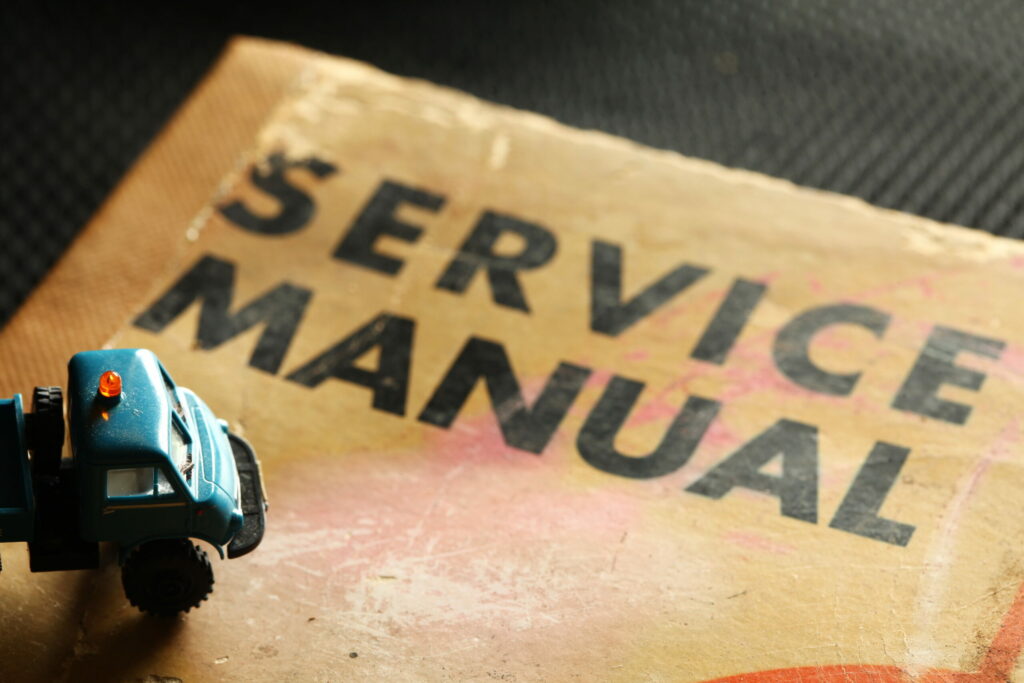
Service Manuals: Your Essential Guide to Successful Restorations
Service manuals give you the exact steps needed to restore old equipment properly. Think of them as detailed recipe books that show you how to fix everything from classic cars to vintage appliances.
These guides include: • Step-by-step repair instructions • Parts diagrams and numbers • Proper tool requirements • Safety procedures • Testing methods
Getting the most from your service manual:
- Read the entire section before starting work
- Bookmark frequently used pages
- Take notes directly on copies, not originals
- Compare diagrams with your equipment
- Follow safety warnings exactly
Good manuals make complex repairs simple by breaking them into manageable steps. When you understand the manual, you’ll fix things right the first time, save money, and keep equipment running safely.
Finding the right manual:
• Check manufacturer websites
• Search online repair forums
• Contact specialty parts suppliers
• Join restoration groups
• Visit technical libraries
The key is matching your manual to your exact equipment model and year. Wrong information can lead to mistakes, so verify you have the correct guide before starting work.
Understanding the Role of Service Manuals
Service manuals are essential guides that show you how to repair and maintain equipment correctly. They contain step-by-step instructions, parts diagrams, and important specifications that help you fix things right the first time.
Reading service manuals is straightforward once you know the basics. Look for clear diagrams, numbered steps, and parts lists that match your equipment. Most manuals use simple symbols and labels to point out important details and safety warnings.
Keep your service manuals in good condition by: – Storing them in a clean, dry place – Using protective covers or sleeves – Making digital copies as backups – Handling pages carefully to prevent tears
Following manual instructions helps you maintain equipment properly and safely while preserving its original design. This approach saves time, prevents mistakes, and ensures repairs meet manufacturer standards.
Navigating Complex Wiring Diagrams
Reading Wiring Diagrams Made Simple
Wiring diagrams don’t have to be confusing. They’re like road maps that show how electricity flows through your device or vehicle. Once you know the basics, you can find and fix problems much faster.
Start with these easy steps:
- Learn the colors – Each wire color means something specific. Red often means power, while black usually means ground.
- Follow the lines – Think of wires as roads connecting different parts
- Know the basic symbols – Switches look like breaks in the line, while resistors have zigzag patterns
- Test connections – Use a basic multimeter to check if electricity flows correctly
- Double-check everything – Compare diagram sections like you’d check street names on a map
Quick Tips: – Keep your service manual nearby – it’s your best guide – Mark your progress as you trace wires – Take photos before disconnecting anything – Draw simple sketches for complex sections – Test connections before making permanent changes
This straightforward approach helps you work through even the most complex wiring systems with confidence.
Decoding Engine Specifications
Understanding Engine Codes Made Simple
Engine codes tell you exactly what’s inside your vehicle’s engine. Think of them like a secret language that reveals important details about your car’s power plant – its size, design, and capabilities.
These codes work like a recipe, showing: • Engine size (in liters or cubic inches) • Number of cylinders • Special features (turbo, hybrid, etc.) • Manufacturing location • Year of design
Reading these codes helps mechanics and car owners: • Order the right parts • Make proper repairs • Understand engine capabilities • Match replacement engines • Identify original factory specs
For example, a “2.0T” code means a 2-liter turbocharged engine, while “V6” shows it has six cylinders in a V-shape. Knowing these basics helps you make informed decisions about your vehicle’s maintenance and upgrades.
Understanding Engine Codes
Engine Codes: A Simple Guide for Car Enthusiasts
Engine codes tell you exactly what’s under your car’s hood. Think of them as your engine’s DNA – they reveal important details about your car’s power plant that help with repairs and restoration.
These codes break down into five easy-to-understand parts:
- Engine Type – Tells you if it’s a V8, inline-4, or other engine design
- Size (Displacement) – Shows engine size in liters or cubic inches
- Build Date – When the engine was made
- Layout – How the cylinders are arranged
- Emissions Level – What pollution standards the engine meets
Reading engine codes helps you: – Find the right replacement parts – Match original factory specs – Understand your engine’s capabilities – Diagnose problems accurately – Maintain proper emission controls
Understanding these codes saves time and money during repairs by helping you get the right parts the first time. For restoration projects, they ensure your rebuild matches the original factory specifications.
When troubleshooting engine problems, these codes point directly to specific issues, making repairs faster and more accurate. They’re essential tools for both DIY mechanics and professional technicians.
Interpreting Power Outputs
Understanding Power Outputs Made Simple
Power outputs tell you how strong your engine is and how well it performs. Think of it like measuring your car’s muscle strength. Service manuals provide the key numbers you need, much like a fitness chart for your vehicle.
Reading torque curves shows how your engine performs at different speeds – from slow city driving to highway cruising. It’s similar to knowing when your car feels strongest as you press the gas pedal. Higher torque at low speeds means better acceleration from a stop.
Fuel efficiency connects directly to power output. More powerful engines typically use more fuel, while efficient ones balance power with fuel savings. Looking at these numbers helps you: – Match the original performance specs – Improve engine power safely – Keep fuel costs reasonable
Mastering Maintenance Procedures
Good Maintenance Made Simple
Regular maintenance keeps equipment running smoothly and prevents costly breakdowns. Think of it like taking care of your car – routine checks and care make everything last longer and work better.
The basics you need to know:
- Check equipment regularly: Look for worn parts or problems before they cause trouble
- Keep parts well-oiled: Just like a squeaky door hinge, machinery needs proper lubrication
- Test accuracy often: Make sure everything measures and performs correctly
- Track spare parts: Know what you have and what you need
- Keep good records: Write down what maintenance you do and when
Smart maintenance helps old equipment run like new. By following these simple steps and keeping detailed notes, you’ll avoid unexpected problems and keep your machinery in top shape.
Tips for success: – Set up a regular maintenance schedule – Use a checklist for inspections – Take photos of problems you find – Label parts and tools clearly – Keep maintenance records simple but complete
Effective Troubleshooting Techniques
Troubleshooting Made Simple
Good troubleshooting starts with spotting common problems in old machines. Think of it like being a detective – you need to look for clues and follow a step-by-step process to find what’s wrong. Basic tools like multimeters, pressure gauges, and diagnostic scanners help find hidden problems that you can’t see with just your eyes.
To fix problems effectively: 1. Check the most obvious issues first 2. Use the right tools to test and measure 3. Fix one problem at a time 4. Test the repair before moving on
This simple approach helps you fix problems faster and gets your vintage equipment working properly again. When you work systematically, you save time and avoid making costly mistakes.
Identifying Common Issues
Spotting Problems in Old Machines: A Simple Guide
Common machine problems show clear warning signs if you know what to look for. Old machinery typically develops issues in predictable ways – unusual noises, excess vibration, or parts that don’t move smoothly. Learning these basic signs helps you fix problems quickly and avoid bigger repairs later.
5 Key Steps to Find Machine Problems: – Look for worn-out parts: Check for scratches, rust, or damaged areas – Track past problems: Note which parts break most often – Check part alignment: Make sure everything fits and moves correctly – Test the lubrication: Moving parts need proper oil or grease – Check electrical parts: Look for loose wires or weak connections
Quick Tips: – Listen for strange noises during operation – Feel for unusual vibrations or heat – Watch for oil leaks or metal shavings – Test controls to ensure smooth operation – Document any repairs for future reference
This simple checklist helps catch problems early, saving time and money on vintage machine repairs. Regular checks using these steps prevent most common breakdowns and keep old machinery running reliably.
Diagnostic Tool Utilization
Diagnostic Tools for Vintage Machinery
The right tools make all the difference when fixing old machines. Basic tools like multimeters help measure electrical flow, while oscilloscopes show how electrical signals behave over time. These tools take the guesswork out of repairs by giving clear readings about what’s working and what isn’t.
Service manuals are just as important as testing equipment. They show step-by-step repair guides and detailed diagrams that help locate parts and understand how systems work together. Think of them as repair roadmaps that save time and prevent mistakes.
Good troubleshooting means using both tools and manuals together. Start with simple tests, record the results, and match findings against manual specifications. This method quickly reveals problems and leads to lasting repairs that keep vintage machinery running smoothly.
A well-equipped repair toolkit plus repair knowledge equals successful restorations. Focus on learning basic diagnostic tools first, then build expertise with more advanced equipment as needed.
Sourcing Rare and Original Parts
Finding Rare and Original Parts: A Simple Guide
Getting authentic parts for restoration projects starts with knowing where to look. The right sources ensure you get genuine components that fit and work correctly. Here’s how to find what you need:
Best Places to Find Original Parts:
- Manufacturer Websites
- Direct access to factory-original parts
- Latest catalogs and part numbers
- Online ordering systems
- Local Authorized Dealers
- Guaranteed authentic parts
- Professional advice and warranties
- Parts lookup assistance
- Specialty Suppliers
- Stock rare and discontinued items
- Expert knowledge in specific makes/models
- Custom ordering options
- Online Markets
- Large selection of used parts
- Compare prices easily
- Read seller ratings before buying
- Car Clubs
- Connect with other collectors
- Share trusted supplier lists
- Access member-only parts sales
Tips for Safe Buying: – Check part numbers against official catalogs – Ask for authenticity documentation – Compare prices across multiple sources – Keep receipts and warranty information
Preserving Authenticity in Restorations
Authenticity in restoration projects protects historical value and ensures accuracy. When restoring anything old – from classic cars to antique furniture – staying true to the original design matters most.
Original materials and methods create genuine results. Using period-correct parts and following historical service manuals helps restorers match the exact specifications from when the item was first made. This means:
• Choosing authentic materials that match the time period • Following original assembly techniques • Installing correct parts from the same era • Preserving original finishes and details
Modern shortcuts or replacements can reduce both historical accuracy and value. Good restoration work carefully balances preserving original features while making items stable and usable. This careful attention to authenticity helps preserve important pieces of history for future generations to study and enjoy.
Proper documentation during restoration also matters. Taking photos and notes about original conditions helps guide accurate work and proves authenticity to future owners or historians.
Achieving Accurate Restorative Practices
Getting Restorations Right: A Simple Guide
Successful restoration work comes down to careful planning and attention to detail. Think of it like following a recipe – you need the right ingredients and steps to get the best results.
Start by checking old documents and manuals to understand how things were originally made. Look closely at the item you’re restoring to spot any damage or past repairs. These simple but important steps help avoid mistakes and keep the item’s history intact.
Key Steps for Quality Restoration: – Look at original blueprints and designs – Check that materials match the original – Use the right tools for precise work – Compare your work to historical records – Fix things using methods from the right time period
Good restoration work preserves history while making sure repairs last. By following these basic steps, you’ll achieve results that respect the original craftsmanship and stand the test of time.
This straightforward approach helps both beginners and experienced restorers maintain high standards and avoid common mistakes.
Enhancing Restoration Success Rates
Successful restoration depends on three key steps: proper documentation, careful material selection, and proven techniques.
Start by reviewing all available documents about the original item. This means checking old photos, design plans, and repair records to understand what you’re working with. Think of it like gathering puzzle pieces before starting the puzzle.
Next, thoroughly check the item’s current condition. Look for obvious damage and hidden problems – just like a doctor examining a patient. This inspection helps you choose the right materials and methods for the job.
Finally, match your repair materials and techniques to the original item. Using compatible materials prevents future problems and helps your restoration last longer. For example, if you’re fixing an old wooden table, use wood and finishes that match the original piece’s age and style.
Following these straightforward steps leads to better results and helps preserve items properly for years to come.
Frequently Asked Questions
How Can I Ensure the Service Manual I Have Is the Correct Edition for My Model?
Check Your Service Manual in 3 Easy Steps
Match your model number with the one listed on the manual’s cover and title page. These numbers are typically found in a format like “SM-1234” or “Manual-XYZ2023.”
Look inside the manual and compare the parts diagrams and numbers with the actual components on your device. The pictures and part numbers should match what you see on your equipment.
Visit the manufacturer’s website or contact their customer service to verify you have the latest edition. Many brands offer online tools where you can enter your model number to find the correct manual version.
Quick Tip: Most service manuals show the publication date and revision number on the first few pages. Always use the newest version available for your specific model year.
Are There Digital Versions of Service Manuals Available for Older Vehicles?
Yes, digital service manuals exist for older vehicles, but finding them depends on your car’s make, model, and year.
Many car manufacturers now offer digital versions of older manuals through their websites or customer service departments. Popular sources include: – Official manufacturer websites – Auto parts retailers’ online libraries – Subscription-based repair databases – Car enthusiast forums
Check these key points when searching for digital manuals: 1. Match the exact model year and trim level 2. Verify the manual’s source is reliable 3. Compare information with factory specifications 4. Look for recent updates or corrections
Free PDF versions are available for many common vehicles, but rare or vintage cars might require purchasing access to specialized databases. Local libraries and auto parts stores often provide free access to professional repair databases like AllData or Mitchell.
What Should I Do if My Service Manual Is Missing Pages or Sections?
Missing pages in your service manual? Don’t worry – there are several easy ways to get the information you need.
First, check online for digital copies of your manual through the manufacturer’s website or authorized service portals. Many companies now offer free PDF versions of their manuals.
If you can’t find it online, try these options: – Contact the manufacturer directly for replacement pages – Join owner forums or groups for your specific vehicle model – Visit your local dealership’s service department – Check repair database websites like Mitchell1 or AllData – Search technical libraries at auto parts stores
Remember to only use official or trusted sources for service information. Incorrect repair procedures can damage your vehicle or create safety issues. When in doubt, consult a certified mechanic who has access to complete service documentation.
How Can I Authenticate the Originality of a Service Manual Before Purchasing?
5 Simple Ways to Check if a Service Manual is Genuine
Check the publisher details and logo first – real manuals always come from the original manufacturer or their authorized publishers. Look for crisp, clear printing and professional binding quality.
Compare prices with official sources. If a manual is unusually cheap, it’s likely not authentic. Genuine service manuals typically cost more because they contain accurate, tested information.
Look for these tell-tale signs of authentic manuals: – Clear, sharp diagrams and images – Consistent formatting throughout – High-quality paper – Professional binding – Copyright information and part numbers – Official manufacturer branding
For extra certainty, contact the manufacturer directly to verify the manual’s serial number or ask an authorized dealer to authenticate it. Many manufacturers also maintain online databases where you can check manual numbers.
Avoid manuals with blurry text, poor-quality paper, or missing manufacturer information – these are common signs of counterfeits.
Do Service Manuals Include Information on Recommended Restoration Tools and Equipment?
Service manuals typically provide basic information about tools and equipment needed for restoration work, but the level of detail varies by manufacturer and manual type.
While manuals focus on repair procedures and maintenance steps, they often don’t include complete tool lists. Instead, they describe specific tasks and techniques that help readers understand what tools they’ll need. For example, a manual might explain that removing a particular part requires a socket wrench set and torque wrench, rather than listing all possible restoration tools.
Most restorers use the manual’s step-by-step instructions to create their own tool lists based on the required tasks. This practical approach lets you gather tools as needed rather than buying everything upfront. The manual’s procedures serve as a reliable guide for both tool selection and proper restoration techniques.