
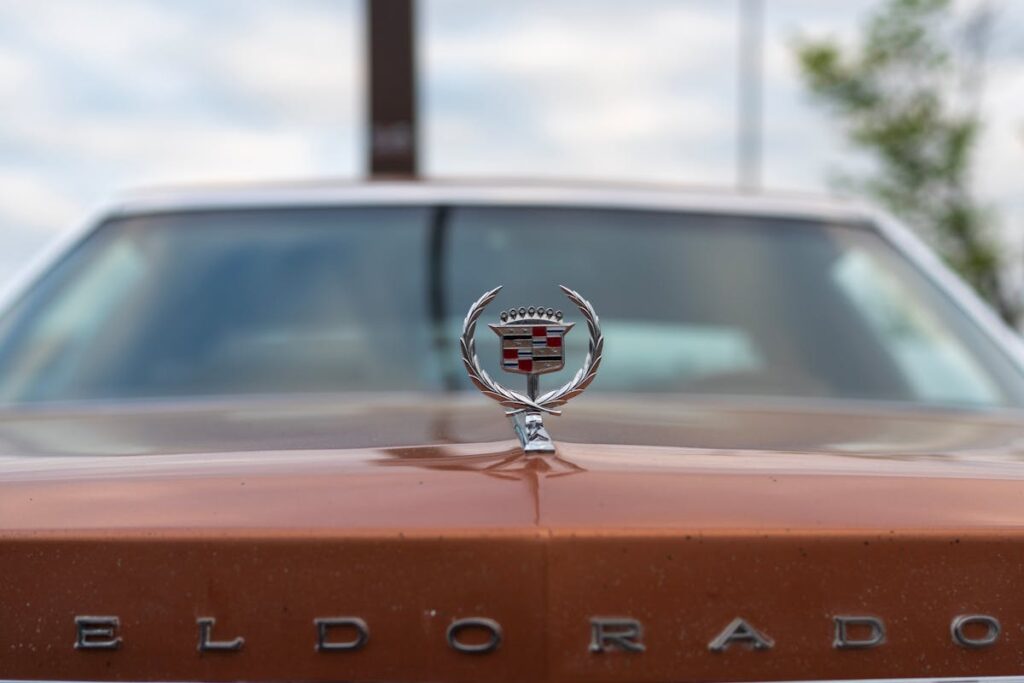
Restoring Car Badges: A Simple Guide
Old car badges and emblems need careful attention to bring back their original shine and beauty. These metal pieces tell important stories about classic cars and deserve proper care to preserve their history.
Starting Your Restoration: 1. Check the badge’s condition – look for rust, loose parts, or damaged paint 2. Clean gently with mild soap and soft cloth 3. Remove corrosion with appropriate metal cleaners 4. Touch up paint carefully using matching colors 5. Protect with clear coating
Common Problems and Solutions: – Rust spots: Use metal polish and fine steel wool – Faded paint: Apply model-specific touch-up paint – Loose pieces: Secure with proper adhesive – Pitting: Fill with metal epoxy and sand smooth
Tips for Best Results: – Research your badge’s original finish – Work in good lighting – Use soft brushes for detail work – Take photos before starting – Store restored badges in dry conditions
This careful process brings old car badges back to life while keeping their authentic character. Regular maintenance after restoration helps protect these automotive treasures for years to come.
Understanding the Significance of Car Badges and Emblems
Car Badges: Your Guide to Auto Brand Symbols
Car badges tell the story of each car brand through simple yet powerful symbols. These small metal or plastic emblems on your car’s hood and trunk do more than just look good – they show which company made your car and what that brand stands for.
Famous examples make this easy to understand: – Mercedes-Benz’s three-pointed star means power on land, sea, and air – Ferrari’s jumping horse shows both Italian pride and racing success – BMW’s blue and white design comes from Bavaria’s state colors
These badges started as metal and enamel designs in the early days of cars. Today, they use modern materials but keep their classic looks. Car collectors value original badges because they help date classic cars and show authentic history.
When you spot these symbols on the road, you’re seeing more than just a logo – you’re looking at pieces of car history that connect today’s vehicles to their roots.
Assessing the Condition of Antique Emblems
Checking Antique Emblems: A Simple Guide
Looking at old emblems takes a careful eye to spot problems like rust, fading, or dents. Start by examining the emblem in good lighting, checking for: – Missing pieces or cracks – Rust spots or discoloration – Loose parts or bent areas
The material of your emblem matters. Most antique emblems are made of: – Brass (golden color) – Chrome (silver shine) – Enamel (painted surface)
Before starting any repairs, ask yourself: 1. How damaged is the emblem? 2. Can you find the right restoration tools? 3. Do you know the proper cleaning methods?
Quick Tip: Take clear photos of the emblem before any cleaning or repair work. This helps track your progress and document the original condition.
Remember: Gentle cleaning with soft cloths and appropriate cleaners helps preserve these historical pieces. When in doubt, consult an antique specialist before attempting repairs.
Identifying Wear and Damage
Checking Damage on Antique Emblems
A careful inspection of antique emblems before restoration protects their history and prevents damage. This quick guide shows you what to look for and why it matters.
Surface Damage Look for scratches, dents, and worn spots using a magnifying glass and good lighting. These marks tell you how the emblem was handled and stored over time. Common problems include: – Scratches from cleaning – Dents from dropping – Fading from sun exposure
Structure and Materials Check the emblem’s core strength by examining: – Metal parts for rust or bending – Enamel for chips or cracks – Plastic components for warping
Understanding how the emblem was made helps spot hidden problems. This complete check creates a clear plan for safe restoration work.
Tips for Better Inspection: – Use bright, natural light – Work in a clean, clear space – Document all damage found – Take photos for reference
Evaluating Restoration Feasibility
Determining If Restoration Is Possible
Restoring antique emblems starts with a simple question: Can we fix it without damaging its history? The process breaks down into three main checks:
- Physical condition: Look for rust, worn areas, and structural damage
- Historical value: Check how rare or significant the emblem is
- Restoration options: Compare available repair methods with the emblem’s needs
Experts match restoration techniques to each emblem’s specific problems, just like a doctor choosing the right treatment for a patient. They use reference photos and records of similar restorations to make smart decisions about what fixes will work best.
The goal is to preserve both the emblem’s look and its story, using careful repairs that don’t erase its age or authenticity. Modern restoration tools help save these pieces of history while keeping their original character intact.
Understanding Material Composition
Materials Matter: A Guide to Antique Emblem Care
Knowing what your antique emblem is made of helps you take better care of it. Common materials include brass, nickel, enamel, and aluminum, and each needs different cleaning and care methods.
Different metals react differently to cleaning products and the environment. Brass will naturally darken over time and needs special cleaners to stay shiny. Nickel stays bright longer but can scratch easily. Enamel can chip if not handled carefully.
Before cleaning any old emblem, check its material by looking at its color, weight, and surface texture. Brass is yellowish and heavy, while aluminum is light and silvery. This quick check helps you pick the right cleaning method and avoid damage.
Testing a cleaning product on a small, hidden area first prevents unwanted reactions that could harm your emblem. This simple step saves time and protects your valuable automotive piece.
Gathering the Right Tools and Materials
Essential Tools for Badge Restoration
The right tools make all the difference when fixing up old car badges. You’ll need basic items like small screwdrivers, fine sandpaper (220-grit or higher), and dental picks for detail work. For cleaning, grab gentle soap and car-safe polish – harsh chemicals can damage vintage badges.
Before starting, check what your badge is made of. Most classic car badges use materials like brass, chrome, or enamel. This helps you pick the right cleaning products. Metal badges need different care than painted or enameled ones.
Keep these tools within reach: • Small precision screwdrivers • Fine-grit sandpaper • Dental picks or similar detail tools • Mild car soap • Non-abrasive polish • Soft microfiber cloths
Starting with the right equipment prevents damage and leads to better results. Always test cleaning products on a small, hidden area first.
Essential Restoration Tools
The Right Tools Make Antique Car Badge Restoration Simple
To restore car badges and emblems successfully, you need a basic set of essential tools. Start with precision screwdrivers for careful disassembly and microfiber cloths to protect delicate surfaces. Small metal files help reshape edges, while a magnifying glass lets you spot tiny details and imperfections.
Keep these tools handy: – Precision screwdriver set – Soft microfiber cloths – Small metal files – Magnifying glass – Fine-tipped paint brushes – Dental picks for cleaning
Using these tools properly helps preserve both the history and beauty of vintage car badges. Clean gently with the microfiber cloth, use dental picks to remove dirt from tight spots, and apply touch-up paint with fine brushes. Remember to inspect your work frequently under magnification to ensure quality results.
Suitable Cleaning Materials
Choosing the Right Cleaning Products for Car Badges
Gentle cleaning products keep vintage car badges and emblems looking their best while protecting their value. Use mild soap and water instead of harsh chemicals that can damage delicate metal and enamel surfaces.
Best cleaning tools: – Soft microfiber cloths – Non-abrasive sponges – Mild car soap – Clean water – Soft-bristled detailing brushes
Avoid these damaging products: – Metal polishes – Abrasive cleaners – Steel wool – Stiff brushes – Strong chemicals
Clean badges carefully by applying soap with a soft cloth, gently removing dirt without scrubbing. Rinse thoroughly with clean water and pat dry. This simple approach preserves the badge’s original finish and prevents scratches or wear that could reduce its historical value.
Techniques for Cleaning and Polishing
Cleaning and Polishing Car Badges: A Simple Guide
Car badges and emblems need gentle care to bring back their shine without causing damage. Start with a soft brush to remove loose dirt and dust. Use light strokes to protect the surface from scratches.
Choose the right polish for your badge material: – Brass badges need brass polish – Chrome badges need chrome cleaner – Enamel badges need mild soap and water
Apply polish with a soft microfiber cloth using gentle, circular motions. Don’t press too hard or polish too long in one spot – this prevents overheating and damage. For small details and grooves, use cotton swabs or small polishing tools.
Work in good lighting to see all areas clearly. Check your progress often, and stop when the badge looks clean and shiny. A final gentle wipe with a clean cloth removes any leftover polish.
Repairing Damage and Restoring Details
Fixing Antique Car Badges: A Simple Guide
Repairing old car badges requires careful attention to both their history and materials. First, check what the badge is made of – common materials include brass, chrome, or enamel. Look for obvious problems like rust, cracks, or weak spots that could affect how the badge looks and holds up.
Small tools help fix minor damage without harming the original design. Sometimes, soldering strengthens weak areas. When parts of the design are missing, skilled repair work can bring back lost details while staying true to the badge’s original look.
Success depends on knowing how these badges were made when they were new. Good repairs protect both the badge’s looks and its history, making it look great while preserving its authenticity.
Preserving Original Paint and Finish
Keeping Original Paint and Finish on Classic Car Badges
The key to preserving car badge paint lies in gentle care and proper storage. Original finishes need special attention to maintain their value and historical authenticity.
Clean badges with mild soap and soft cloths to protect the paint. Avoid harsh chemicals or abrasive materials that can scratch or fade the finish. Store badges away from direct sunlight and keep them in a room with stable temperature and humidity.
Quick preservation tips: – Use only non-abrasive cleaners – Pat dry with microfiber cloth – Keep badges in acid-free storage containers – Handle badges by their edges – Check regularly for signs of deterioration
Proper care helps maintain both the badge’s appearance and its collector value. When in doubt about cleaning methods, consult a classic car restoration expert to avoid damaging irreplaceable finishes.
Replacing or Recasting Missing Parts
Replacing Classic Car Badges: A Simple Guide
Missing badges on classic cars can be fixed in two main ways: finding original replacements or making new ones through casting. When you can’t track down original parts, creating new badges becomes necessary.
Making replacement badges requires careful attention to detail. The process starts with creating a mold of the original design, using materials that match the time period. Expert metalworkers then cast new pieces that look and feel authentic, making sure they fit perfectly with the car’s existing badges.
Quality badge restoration depends on: • Matching original materials • Copying exact design details • Using proper casting techniques • Ensuring correct fit and finish
Most classic car owners work with experienced restorers who understand both the technical requirements and historical importance of badge restoration. This ensures the final product maintains the car’s value and authentic appearance.
Protecting Restored Emblems From Future Damage
Protecting Your Restored Car Emblems
Restored emblems need proper protection to stay looking great and avoid damage. The right care prevents rust, fading, and wear that commonly affect classic car badges and emblems.
Quick Protection Steps:
- Clean First: Wipe the emblem completely clean before adding any protection. A spotless surface helps protective coatings stick better and last longer.
- Use the Right Coating: Pick a clear car-safe sealant that blocks UV rays and protects metal. Auto parts stores sell specific emblem protectors that work best.
- Check Often: Look at your emblems monthly for early signs of wear. Touch up the protective coating when you notice dull spots or chips.
- Smart Storage: Park your car in a garage or covered space. Keeping it away from rain, sun, and temperature changes prevents most emblem damage.
Tips: – Apply coatings in thin, even layers – Let each layer dry completely – Clean emblems gently with car-safe products – Address any damage quickly to prevent spreading
Showcasing Your Restored Emblems on Classic Cars
Displaying restored emblems on classic cars requires careful attention to both placement and presentation.
Mount emblems securely and at the correct height to show off their restored beauty. Make sure they sit straight and align with the car’s body lines – this creates the best visual impact. Good lighting helps reveal the fine details of your restoration work, especially at car shows.
Position badges where they catch the eye naturally. Most classic cars have specific spots where emblems should go, usually on the hood, trunk, or grille. Follow the original factory placement when possible.
For car shows, park your vehicle at a slight angle to help emblems catch the light. Use soft, indirect lighting to avoid harsh glare on chrome or polished surfaces. Clean emblems thoroughly before display to let their restored finish shine.
These simple steps make restored emblems stand out while staying true to the car’s classic design. Your careful presentation shows respect for automotive history and craftsmanship.
Frequently Asked Questions
How Can I Identify the Manufacturer of an Antique Car Badge?
Finding an Antique Car Badge’s Maker: Simple Steps
Check the Badge Design First Look closely at the badge’s symbols, letters, and patterns. Most car makers use distinct logos and design elements that help identify them. Take clear photos and note any text, numbers, or unique features you see.
Research Historical Records Browse old car magazines, manufacturer catalogs, and online databases focused on vintage automobiles. Many websites specialize in car badge identification and offer searchable image libraries. Match your badge’s features with known examples.
Ask Car Experts Share your badge photos with antique car clubs, automotive historians, or classic car forums. These communities often have members who can quickly spot specific manufacturers and time periods. Local car museums and restoration shops can also help identify unusual or rare badges.
Common Badge Materials Tell a Story Most pre-1940s badges use brass, chrome, or enamel. 1950s-1960s badges typically feature more plastic and aluminum. The materials and construction methods can narrow down the manufacturing period and help identify the maker.
What Is the Historical Value of Specific Car Emblems?
Car emblems tell fascinating stories about automotive history and become valuable collectibles over time. Famous logos like Mercedes-Benz’s three-pointed star or Ferrari’s prancing horse carry both historical meaning and market worth.
The value of car emblems comes from three main factors: • Brand recognition: Well-known emblems from luxury or classic car makers are worth more • Age and rarity: Older, hard-to-find emblems from discontinued models fetch higher prices • Historical importance: Emblems from landmark cars or significant automotive eras hold special value
Collectors particularly seek emblems from: – Classic European luxury brands (Rolls-Royce, Bentley) – Vintage American cars (Packard, Auburn) – Limited production sports cars (Bugatti, Alfa Romeo) – Discontinued manufacturers (Pierce-Arrow, Duesenberg)
These emblems serve as physical connections to automotive heritage, making them prized pieces in both private collections and automotive museums.
Are There Any Online Communities for Antique Car Badge Enthusiasts?
Yes, many active online communities exist for car badge collectors! Popular platforms include Facebook groups, Reddit’s r/carbadges, and specialized forums like BadgeHunter.com and ClassicCarBadges.net.
These online spaces let collectors: – Share photos of rare finds – Learn cleaning and preservation tips – Buy, sell, and trade badges – Connect with fellow enthusiasts – Get help identifying mystery badges – Discuss badge history and makers
Most communities welcome both beginners and experienced collectors, making it easy to start learning about car badges. Members often share restoration advice, price guides, and stories behind their favorite pieces. Many sites also maintain searchable archives of badge information and identification resources.
The best way to join is to start by browsing existing discussions and gradually participating as you learn more about the hobby.
How Do I Determine the Age of an Antique Car Emblem?
Dating an antique car emblem comes down to three main clues: materials, design, and historical records.
Look at the emblem’s material first. Early car emblems (pre-1940s) often used brass, bronze, or pot metal, while newer ones use aluminum or chrome-plated zinc. Check the weight – older emblems feel heavier because of their solid metal construction.
Study the design details closely. Fonts, logos, and artistic styles changed through different decades. Art Deco styling points to the 1920s-30s, while simpler, streamlined designs suggest the 1950s-60s.
Compare your findings with car manufacturer catalogs, old advertisements, and automotive history books. Online collector forums and antique car clubs can help identify specific production dates and verify authenticity.
What Are the Best Reference Books on Car Emblem Restoration?
Two must-have books for car emblem restoration stand out: “Automobile Emblems: A Collector’s Guide” and “The Antique Car Restoration Guide.” These books show you step-by-step how to bring old car badges back to life, using simple techniques and easy-to-find materials.
Both books cover everything from basic cleaning to complete restoration, with clear photos and easy-to-follow instructions. You’ll learn which tools work best, where to find replacement parts, and how to avoid common mistakes that can damage vintage emblems. Perfect for both beginners and experienced restorers, these guides help preserve the history and beauty of classic car emblems.