
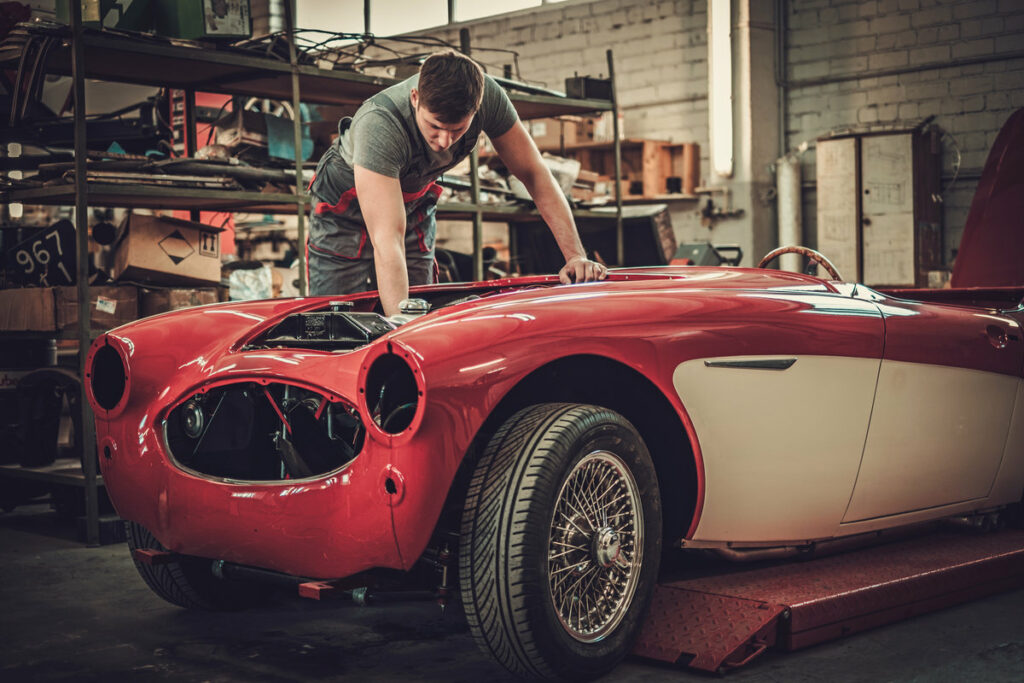
Getting Started with Your First Classic Car Restoration
A successful classic car restoration starts with smart planning and realistic expectations. Pick your project goal first – whether you want a show-quality car, an original restoration, or a modernized classic.
Make a simple checklist covering three main areas: • Structure (body, frame, rust) • Mechanics (engine, transmission, brakes) • Appearance (paint, interior, trim)
Set your budget by: • Researching parts costs • Planning for labor if needed • Adding 20% extra for unexpected issues
Before buying tools or parts, gather the car’s original specs, repair manuals, and restoration guides. Join online classic car forums to learn from experienced restorers.
Start with safety items first: • Brakes and steering • Electrical system • Structural repairs
Focus on one area at a time to avoid getting overwhelmed. Take photos of each step and keep all receipts. A well-planned restoration project becomes a rewarding hobby that builds valuable skills.
Setting Clear Objectives for Your Restoration
Clear Goals Make Better Classic Car Restorations
Start your classic car restoration by setting clear goals that match what you want to achieve. Ask yourself: Do you want a perfect show car, a faithful original restoration, or an upgraded performer? Your answer shapes every decision you’ll make during the project.
Make a detailed project checklist that covers three main areas: – Structure (frame, body, rust repairs) – Mechanics (engine, transmission, brakes) – Appearance (paint, chrome, interior)
This simple planning step helps you: – Budget your money wisely – Set realistic timeframes – Choose the right parts and materials – Avoid costly surprises mid-project
Creating a Realistic Budget Plan
Creating a Budget for Classic Car Restoration
The key to a successful classic car restoration is a solid budget that covers parts, labor, and surprise costs. Start by listing must-fix items like the engine, brakes, and frame before moving on to cosmetic work like paint and interior.
Break down your budget into three main areas: • Essential repairs (50-60% of budget) • Parts and materials (25-30%) • Emergency fund (15-20%)
Smart budgeting tips: 1. Get multiple quotes for major repairs 2. Research parts prices from different suppliers 3. Keep a buffer for unexpected problems 4. Track all expenses in a spreadsheet 5. Focus on safety and mechanical needs first
Remember: Most restoration projects end up costing 15-25% more than initially planned. Having that emergency fund ready will help keep your project on track when surprises pop up.
Estimating Costs Accurately
Getting Your Classic Car Restoration Costs Right
Accurate cost planning makes or breaks a classic car restoration project. Start by listing all expected costs – parts, labor, and tools – then add 20% extra for surprises that pop up along the way.
Break down your costs into clear categories: • Parts and materials • Professional labor (if needed) • Tools and equipment • Paint and bodywork • Interior work • Mechanical repairs
Track every expense in a simple spreadsheet or app. Keep receipts and note price changes for parts, as classic car component costs often shift. Talk to experienced restorers or local auto clubs about typical costs for your specific car model.
Smart tip: Set aside an emergency fund for unexpected issues. Classic car projects often reveal hidden problems during teardown, especially in body panels and engine components.
Remember: Realistic budgeting keeps your restoration on track and helps avoid costly mid-project delays. Regular budget reviews help catch cost creep before it becomes a problem.
Prioritizing Essential Expenses
Managing Money for Your Classic Car Restoration
Smart spending is key when restoring a classic car. Start by focusing on the most important parts – the engine, brakes, and body work. These basics keep your car safe and running well.
Make a simple budget list with two columns: must-have repairs and nice-to-have upgrades. Set aside about 20% extra for surprise costs that always pop up during restoration projects. Car parts and repairs often cost more than expected.
Consider getting a classic car loan or setting up a dedicated savings plan if you need extra money. Many restorers break down their project into smaller, affordable steps instead of tackling everything at once.
Keep track of all expenses in a basic spreadsheet or app. This helps you stay on budget and shows where your money goes. Remember: investing in quality parts for critical systems saves money in the long run by preventing future repairs.
Researching Your Classic Car Model
Research Basics for Your Classic Car
Getting to know your classic car’s original details helps you restore it the right way. Start by finding your car’s exact model, year, and factory specifications – these work like a blueprint for your restoration project.
Key research areas to focus on: • Original engine and parts numbers • Factory paint colors and interior materials • Standard features vs optional equipment • Production numbers and variations
Look up restoration guides, owner’s manuals, and period advertisements to understand how your car looked and performed when new. This knowledge helps you make smart choices about keeping things original or updating certain parts while maintaining the car’s value and authenticity.
Remember: Accurate research now saves time and money later by helping you avoid mistakes and find the right parts for your specific model.
Model Specifications Guide
Before Starting Your Classic Car Restoration
Getting the right specs for your classic car is the first and most important step of any restoration project. These details tell you exactly how the car was built and what makes it special.
Start by finding: – Original factory specifications – Production numbers and dates – Factory paint codes – Engine and transmission details – Interior materials and colors
Why Specs Matter: 1. They help you find the right parts 2. Keep the car historically accurate 3. Make smart restoration decisions 4. Increase the car’s value
Research Sources: – Original owner’s manuals – Factory service guides – Classic car clubs – Online restoration databases – Period brochures
Key Benefits: – Build a correct, authentic restoration – Connect with your car’s history – Create lasting value – Join the classic car community
Use these specs as your roadmap throughout the restoration. The more you know about your car’s original design, the better your restoration results will be.
Historical Restoration Trends
Classic Car Restoration: Past and Present
Understanding past restoration trends helps car enthusiasts make better decisions when reviving vintage vehicles. These trends show what works and what doesn’t in bringing old cars back to life.
Successful restorations typically follow two main approaches: – Original authenticity: Using parts and materials from the same time period – Period-correct updates: Making improvements while staying true to the era
Key restoration trends that shape modern projects: 1. Return to factory paint colors 2. Chrome detail preservation 3. Original material matching 4. Authentic upholstery restoration
Today’s restorers blend traditional methods with modern techniques to create better results. They focus on keeping the car’s original character while making it reliable and driveable. Looking at past projects helps avoid common mistakes and shows which methods produce the best outcomes.
Learning from historical restorations ensures your classic car project maintains its value and historical significance while meeting modern safety and performance standards.
Finding Reliable Vintage Parts Suppliers
Finding Vintage Car Parts: A Simple Guide
The best places to find reliable vintage car parts are specialty shops, trusted online marketplaces, and local salvage yards. Each source offers different benefits for classic car restoration projects.
Local Sources: – Salvage yards and part dealers stock original components – Auto swap meets let you inspect parts in person – Local classic car clubs connect you with trusted sellers
Online Resources: – eBay Motors and specialist websites have wide selections – Classic car forums help you find reputable sellers – Social media groups connect buyers with part vendors
Finding Quality Parts: – Check part numbers and authenticity documentation – Join online communities for recommendations – Build relationships with reliable local suppliers – Compare prices across multiple sources
Tips for Success: – Take photos of the parts you need – Keep a detailed list of part numbers – Ask for return policies and guarantees – Network with other classic car owners
This mix of local and online sources helps ensure you’ll find genuine parts for your vintage car restoration project. Always verify part authenticity and seller reputation before buying.
Assembling Your Restoration Team
Building Your Classic Car Restoration Team
A successful restoration team needs four key experts: a mechanic, electrician, bodywork specialist, and painter. Each member brings specific skills that work together to bring old cars back to life.
Choosing Team Members: Look for professionals who have hands-on experience with classic cars and show genuine enthusiasm for restoration work. Check their past projects, ask for references, and ensure they understand vintage vehicle requirements. Good team members combine technical skills with problem-solving ability.
Managing Your Team: Set clear roles for each expert and create a simple communication system. Regular team meetings help track progress and solve problems quickly. Keep detailed records of who’s responsible for what tasks. A well-organized team turns restoration plans into reality faster and with better results.
Tips for Success: – Assign one person to coordinate between team members – Create a shared timeline for project completion – Keep all restoration documentation in one place – Schedule regular progress reviews – Make sure everyone understands the project goals
Assessing the Car’s Condition
Starting a Classic Car Restoration: Initial Assessment
A thorough inspection is the first step in any classic car restoration. Check these key areas to understand what you’re working with:
Rust Check – Look for rust in the wheel wells, floor pans, and frame – Check door bottoms and trunk corners – Tap suspicious areas with a small hammer to find hidden rust – Document all rust spots with photos
Mechanical Review – Test the engine for unusual noises and smoke – Check transmission shifts and clutch operation – Listen for knocks or clunks in the suspension – Verify brake system functionality
Key Areas to Inspect: – Frame rails and support structures – Engine bay and transmission mounts – Suspension components and mounting points – Brake lines and fuel system parts
This inspection creates your restoration roadmap, helping you plan costs and time needed. Take photos and notes of everything you find – they’ll help track your progress and create a realistic project timeline.
Remember: Finding problems early saves money and prevents surprises later in the restoration process.
Developing a Detailed Restoration Timeline
Creating Your Restoration Timeline
Break your restoration project into clear, manageable steps to stay organized and on track. Start by listing major tasks like bodywork, engine repairs, and interior updates. Then, set realistic completion dates for each phase. A good timeline helps you plan your budget, order parts on time, and avoid costly delays.
Tracking Your Progress
Use a simple tracking system to monitor your restoration work. A basic spreadsheet or project app works well – just make sure to update it weekly. Track completed tasks, upcoming work, and any delays or issues that come up. Regular tracking helps you spot problems early and adjust your schedule when needed.
Keep these key points together: – Project phases and deadlines – Parts ordering and delivery dates – Labor hours and costs – Quality checks and testing – Final completion targets
This straightforward approach helps both beginners and experienced restorers stay focused and meet their goals. Regular updates prevent costly oversights and keep your restoration moving forward efficiently.
Learning Essential Restoration Skills
Basic Skills You Need for Car Restoration
A successful restoration project requires mastering essential hands-on skills. Your first step is setting up a practical workspace where tools and parts stay organized and within reach. This saves time and makes the job safer.
Key skills to develop:
- Tool Basics: Learn proper handling of wrenches, power tools, and specialty equipment to avoid damaging parts
- Electrical Work: Start with simple wiring and work up to full system diagnostics
- Body Repair: Practice metal work, rust removal, and painting techniques
- Engine Skills: Begin with basic maintenance, then advance to engine rebuilding
These skills build on each other, making each new restoration task easier to tackle. Focus on learning one skill at a time, starting with the basics of tool use and workspace safety. Many local community colleges and auto shops offer hands-on training for beginners.
Remember: Good restoration work combines patience with proper technique. Take time to learn each skill properly before moving to more complex tasks.
Navigating Registration and Legal Requirements
Understanding Registration and Legal Requirements for Classic Cars
Legal paperwork and proper registration are essential before starting any classic car restoration. Here’s why:
Required Documents: • Car title (proof of ownership) • Bill of sale • Lien releases (if applicable) • Registration papers
State Laws Matter: Each state has different rules for classic cars, including: • Safety inspections • Emissions testing • Age requirements • Special classic car plates
Smart Steps to Take: 1. Check local DMV requirements 2. Gather all ownership documents 3. Research state-specific classic car laws 4. Verify inspection requirements
Getting these legal steps right saves time and money later. It prevents registration problems and ensures you can legally drive your restored classic car on public roads. Most states offer special benefits for classic cars, like reduced fees or exemption from certain requirements, making proper registration even more valuable.
Frequently Asked Questions
How Do I Transport a Classic Car to My Workshop?
Safely Moving Your Classic Car
Getting your classic car to a workshop starts with choosing the right trailer and planning a smart route. A car trailer must match your vehicle’s size and weight – measure both carefully before renting. Most classic cars need a flatbed trailer with proper tie-down points and a gentle loading angle.
Map your route ahead of time to avoid surprises. Look for: – Wide roads without sharp turns – Bridges with good clearance – Routes that avoid rough roads or construction – Easy access to your workshop’s entrance
Remember to: – Check trailer weight ratings – Secure proper straps and wheel chocks – Drive slowly, especially over bumps – Allow extra stopping distance – Take wide turns to protect your classic car
What Safety Equipment Is Necessary for a Restoration Project?
Safety glasses and eye protection must be worn to protect your eyes from flying dust and debris while sanding, grinding, or scraping. A proper respirator and good airflow in your work area keep you safe from breathing in harmful dust particles during restoration work. Make sure your respirator fits well and use fans or open windows to move fresh air through the space. These basic safety items prevent common injuries and help you work confidently on your restoration project.
Can I Restore a Classic Car in a Small Garage Space?
Yes, you can restore a classic car in a small garage with smart planning and organization.
A small garage space works best when you make the most of every inch. Mount pegboards and shelving on walls to store tools vertically, leaving more floor space for working on the car. Keep only essential tools nearby and rent larger equipment when needed. Rolling tool carts help you move supplies easily as you work on different areas of the car.
Break down restoration tasks into smaller projects that fit your space. For example, focus on one section at a time – like the engine, body panels, or interior work. This approach lets you work effectively even in tight spaces while keeping tools and parts organized and accessible.
How Should I Store a Classic Car During Restoration Pauses?
Keep your classic car safe during restoration breaks by focusing on two main things: temperature and moisture control. Store your car in a space that stays dry and cool – a garage with climate control works best. Use a dehumidifier to keep moisture levels low and prevent rust from forming on metal parts. Cover the car with a breathable cloth cover to protect it from dust while letting air circulate. For longer pauses, place moisture-absorbing packets inside the car and check on it regularly to catch any issues early.
A few quick tips: – Aim for storage temperatures between 50-70°F – Keep humidity below 50% – Park on a concrete floor, not dirt – Remove the battery if storing longer than a month – Open windows slightly for air flow
What Are Common Mistakes to Avoid in a Restoration Project?
Most restoration projects fail due to two main problems: trying to do too much at once and not budgeting enough money. To avoid these common pitfalls:
Break your project into smaller, manageable phases. Start with essential repairs and work your way up to cosmetic improvements. This helps prevent project burnout and keeps costs under control.
Create a detailed budget that includes a 20% buffer for unexpected issues. Classic car restorations often reveal hidden problems once you start working. Include costs for parts, tools, labor, and storage space.
Take time to research your specific car model, needed parts, and local restoration resources before starting. A well-planned project saves time, money, and frustration in the long run.