
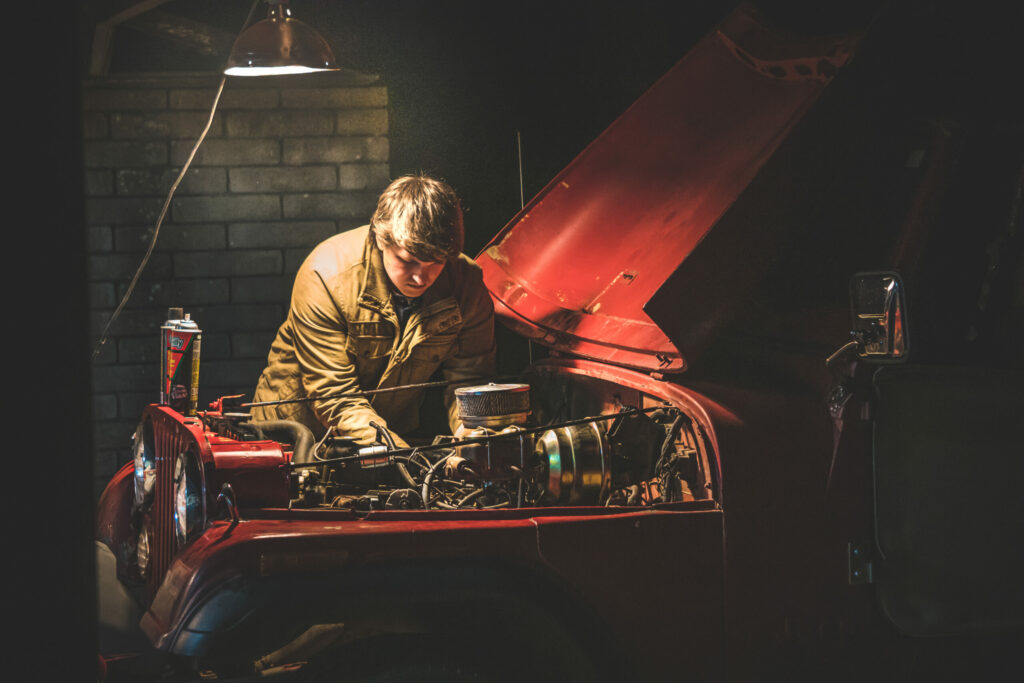
Bringing Old Fuel Systems Back to Life
Getting an old car’s fuel system working properly again takes careful attention but isn’t as complicated as it might seem. The key parts – fuel tank, fuel lines, pump, and carburetor – all need to work together smoothly for your classic car to run well.
Start with a thorough inspection of the fuel tank for rust and sediment. Clean or replace it if needed. Next, check fuel lines for cracks or blockages – these rubber or metal tubes must be leak-free.
The fuel pump should deliver steady pressure, while the carburetor needs proper cleaning and adjustment to mix fuel and air correctly.
Modern upgrades can improve reliability. Consider installing an electric fuel pump or updating to electronic fuel injection for better performance. Just ensure any changes match your car’s style and local classic car regulations.
Quick Tips: – Replace old rubber fuel lines every few years – Use fuel filters to catch debris – Clean the carburetor regularly – Test fuel pressure to spot problems early – Store classic cars with a full tank to prevent rust
Assessing the Condition of the Fuel System
Checking a Vintage Car’s Fuel System
The fuel system is one of the most important parts to check in an old car. Start with the fuel tank – look for rust, buildup, and damage that could cause problems. Rust spots or dents need immediate attention, as they can lead to leaks.
Next, check all fuel lines and hoses. Squeeze them gently to make sure they’re not hard or cracked. Soft, flexible hoses are good; stiff or brittle ones need replacement. Look closely at connection points where fuel lines meet the tank, pump, and engine for any signs of leaking.
Don’t forget the fuel filter – a clogged or dirty filter stops fuel flow and hurts engine performance. Clean filters mean better fuel flow and smoother running. Replace any parts showing wear before they fail and cause bigger problems.
Remember: Small issues in the fuel system can quickly become major headaches. Regular checks and prompt fixes keep vintage cars running reliably.
Cleaning the Fuel Tank
Clean Fuel Tank Guide
A clean fuel tank keeps your engine running smoothly and prevents costly repairs. Over time, rust, dirt, and old fuel create sludge that can clog your engine’s fuel system. Regular tank cleaning removes these harmful deposits and extends your vehicle’s life.
Three simple steps to clean your fuel tank: 1. Drain old fuel completely 2. Use a quality fuel tank cleaner to break down deposits 3. Scrub inside the tank to remove loosened debris
Prevent future problems by: – Adding fuel stabilizer when storing your vehicle – Keeping the tank sealed properly – Filling up at reliable gas stations – Checking for water contamination regularly
These basic maintenance steps protect your engine and help avoid expensive repairs down the road. For best results, clean your fuel tank every 2-3 years or when you notice decreased engine performance.
Removing Fuel Tank Residue
Removing Fuel Tank Residue from Vintage Cars
Getting rid of old fuel residue from a vintage car’s tank requires careful cleaning with the right products and methods to protect your classic vehicle.
Step 1: Choose Safe Cleaning Products Use gentle solvents designed for automotive fuel tanks. Regular gasoline or diesel fuel additives work well to break down old deposits without damaging the tank’s metal surface.
Step 2: Clean and Rinse Pour the cleaning solution into the tank and slosh it around. Drain it completely, then rinse with clean fuel to remove loose debris and remaining solvent.
Step 3: Rust Treatment Check for rust spots after cleaning. Apply a rust converter made for fuel tanks to stop corrosion. This helps preserve your tank and prevents future fuel system problems.
These simple steps keep your vintage car’s fuel system clean and working properly, helping maintain both its value and performance.
Preventing Future Contaminants
Keeping Your Vintage Car’s Fuel Tank Clean
Clean fuel tanks help vintage cars run better and last longer. Dirt, rust, and water in your fuel system can damage your engine, but simple steps prevent these problems.
Add fuel stabilizers and rust inhibitors to your gas tank – these products fight corrosion and keep fuel fresh. Check your fuel system every few months for leaks or rust spots, fixing small issues before they become major repairs.
Know which fuel works best in your classic car. Modern fuels can react differently in vintage engines, so choose options that leave minimal deposits. Control moisture by keeping your tank full when storing the car.
Key maintenance steps: – Use quality fuel additives monthly – Inspect fuel lines and connections quarterly – Pick the right fuel for your engine type – Keep tank full during storage – Follow a regular maintenance schedule
This simple care routine protects your engine and keeps your vintage car running smoothly for years to come.
Repairing or Replacing Fuel Lines
Fuel Line Repair: What You Need to Know
Old fuel lines in classic cars often develop leaks and cracks that need fixing. Looking for wet spots, fuel smell, or rusty lines helps spot problems quickly. When it’s time for new fuel lines, choose materials that work with today’s gas – rubber lines made for modern fuel or sturdy stainless steel are your best options.
Fixing fuel lines is all about getting the fit right. Poor installation can cause fuel flow problems and create safety risks. Take your time to measure twice and connect everything snugly. Make sure all clamps are tight and lines are properly routed away from hot engine parts or moving components.
Want the best results? Follow these quick tips: – Check for leaks using a flashlight and paper towels – Use fuel-resistant materials rated for your car – Double-check all connections before adding fuel – Keep new lines away from heat sources – Test thoroughly before regular driving
Identifying Fuel Line Issues
Spotting Fuel Line Problems in Classic Cars
Old cars need special care, especially when it comes to their fuel systems. Regular checks help prevent breakdowns and keep these vintage vehicles safe on the road.
5 Simple Ways to Check Fuel Lines: 1. Look closely at fuel hoses – check for cracks or dry, brittle spots 2. Watch for drips or wetness around connections 3. Check metal parts where fuel lines connect for rust or green corrosion 4. Run your hand along fuel lines to feel for bends or bumps 5. Start the engine and listen – unusual sputtering might mean fuel flow problems
Quick Safety Tip: If you smell gas or see wet spots under your classic car, don’t start the engine. Get it checked by a mechanic right away.
Common Problem Signs: – Rubber hoses that feel soft or spongy – Dark stains around metal connections – Engine running rough or stalling – Strong gas smell after parking
Regular fuel line checks keep classic cars running safely and prevent costly repairs. When in doubt, always consult a classic car specialist.
Choosing Replacement Materials
Replacing Fuel Lines in Classic Cars: A Simple Guide
Modern materials often work better than original parts when replacing fuel lines in vintage vehicles. While old cars used steel or copper lines, today’s stainless steel and reinforced rubber options last longer and bend more easily.
Key Material Choices: – Original materials: Steel, copper – Modern options: Stainless steel, reinforced rubber – Gasket upgrades: Switch from cork/fiber to Viton/nitrile rubber
Safety and performance drive material selection. New materials resist fuel chemicals better and seal more effectively than vintage parts. When choosing replacements, pick materials that: – Match your car’s fuel system needs – Provide reliable, leak-free operation – Meet current safety standards
This approach keeps your classic car running safely while maintaining its value and charm.
Installing New Fuel Lines
Installing new fuel lines in classic cars is straightforward when you follow the right steps. The key is to match your car’s original setup while using materials that work well with today’s fuels.
Start by taking photos and notes of your current fuel lines. This gives you a clear map to follow during installation. Pick fuel lines that match your car’s original size and style, but make sure they can handle modern gas mixtures.
Follow these essential steps: – Map out the old fuel line path and where it connects – Pick strong, gas-resistant materials that fit your car – Take careful measurements before cutting any lines – Use correct-style clamps to hold lines firmly in place – Check thoroughly for any leaks before driving
Safety tip: Always work in a well-ventilated area and keep a fire extinguisher nearby when working with fuel lines.
Remember: Getting the measurements right the first time saves you from having to redo the work. Double-check all connections to prevent fuel leaks.
Restoring the Carburetor
Restoring a carburetor brings old engines back to life by fixing the part that mixes fuel and air. Think of it as giving your classic car’s “heart” a complete overhaul.
The restoration process breaks down into three simple steps:
- Take apart the carburetor and clean off old fuel deposits and dirt that build up over time.
- Replace worn-out parts with new ones that fit perfectly.
- Fine-tune the settings so fuel and air mix properly.
Getting the mixture right matters most – too much fuel wastes gas, while too little makes the engine run rough. A well-restored carburetor helps your classic car run smoothly, maintain its original character, and perform better on the road. You’ll notice better starting, smoother idling, and improved fuel efficiency once the job is done right.
Evaluating Fuel Pumps and Filters
Checking Fuel Pumps and Filters in Classic Cars
A well-functioning fuel system keeps your classic car running smoothly. Regular checks of fuel pumps and filters prevent engine problems and maintain your vintage vehicle’s performance.
Basic Inspection Steps: – Test fuel pump pressure with a gauge to ensure proper fuel flow – Look for fuel leaks around pump seals and connections – Remove and check fuel filter for dirt, rust, or debris – Use correct replacement parts that match your car’s specs – Double-check all connections are tight and secure
Quick Tips: – Clean fuel filters last longer and protect your engine – Low pressure readings often mean a failing pump – Original mechanical pumps can often be rebuilt – Modern filter upgrades may improve performance – Keep spare filters on hand for maintenance
Watch for warning signs like rough running, stalling, or decreased power – these often point to fuel system problems. Regular maintenance of these crucial parts helps preserve your classic car’s value and reliability.
Addressing Fuel System Corrosion
Fuel System Corrosion in Classic Cars: What You Need to Know
Rust and corrosion in your classic car’s fuel system can seriously damage your engine and hurt performance. The main problem areas are metal fuel tanks, fuel lines, and carburetors, which often rust when exposed to moisture and modern ethanol gas.
Regular checks help catch problems early: – Look for rust spots or flaking in the fuel tank – Check fuel lines for weak spots or leaks – Inspect the carburetor for signs of corrosion – Test the fuel pump for proper operation – Make sure fuel filters aren’t clogged with rust particles
Quick action on rust problems protects your classic car’s value and keeps it running smoothly. Clean, rust-free fuel systems mean better performance, safer operation, and fewer expensive repairs down the road.
Modern Upgrades for Better Performance
Modern Upgrades Boost Classic Car Performance
Adding new technology to vintage cars makes them run better while keeping their classic look. Switching from old carburetors to electronic fuel injection (EFI) helps your car start easier, use less gas, and run smoother. A modern engine computer fine-tunes everything automatically, giving you more power and better reliability.
Top 5 upgrades that make classic cars perform like new:
- Electronic Fuel Injection: Starts instantly and saves fuel
- Engine Computer: Controls fuel and timing for peak performance
- Modern Ignition: Creates stronger spark for better power
- Fuel Regulator: Keeps fuel flow steady and reliable
- New Fuel Pump: Delivers the right amount of fuel when needed
These updates help vintage cars run as well as modern vehicles while maintaining their classic charm. Most upgrades can be installed without changing the car’s original appearance, giving you the best of both worlds – classic style with modern reliability.
Ensuring Fuel System Safety
Keeping Your Classic Car’s Fuel System Safe
Fuel system safety is crucial when working on vintage cars. Regular checks and proper maintenance protect both your vehicle and your safety.
Start with a basic safety check of these key parts: • Fuel lines (look for cracks or wear) • Gas tank (check for rust or leaks) • Fuel connections (ensure they’re tight) • Fuel pump (test for proper operation)
Old fuel systems need special care because their materials can break down over time. Replace worn rubber lines with modern fuel-safe options that work with classic cars. Always clean spills right away and store fuel properly.
Quick safety tips: • Use fresh fuel only • Keep a fire extinguisher nearby • Work in a well-ventilated area • Check for leaks regularly
These simple steps keep your classic car running safely while maintaining its value and authenticity.
Testing and Fine-Tuning the Restored System
Testing Your Restored Vintage Car’s Fuel System
Getting your classic car’s fuel system back in top shape requires careful testing to make sure everything works safely and correctly. Think of it like giving your car a thorough health check after surgery.
Start by checking the fuel pressure – this tells you if gas is flowing at the right strength. Your car needs the exact pressure it was built for, no more and no less. Watch for these key areas:
- Check the carburetor settings match your car’s original setup
- Test the fuel pump to make sure it’s pushing gas properly
- Look for any leaks or blocks in the fuel lines
- Make sure the gas tank is clean and sealed
- Set the timing right to match your restored fuel system
A properly tested fuel system keeps your vintage car running smoothly and preserves its original character. Take your time with each step – rushing through testing can lead to problems down the road.
Regular checks help catch small issues before they become big problems. If something doesn’t feel right during testing, stop and double-check your work. Your classic car will thank you with reliable performance.
Frequently Asked Questions
Can Ethanol-Blended Fuels Be Used in Vintage Vehicles?
Using ethanol-blended fuels in vintage vehicles requires caution. These modern fuels can damage older engines and fuel systems not designed for ethanol content.
The main issues: – Ethanol can corrode metal parts – It breaks down rubber seals and gaskets – Fuel lines may deteriorate faster – Can cause starting problems and poor performance
What you can do: 1. Add a fuel stabilizer made for classic cars 2. Store your vehicle with non-ethanol fuel when possible 3. Check fuel lines and seals regularly 4. Replace vulnerable parts with ethanol-resistant materials
Best practice: Fill up at stations offering non-ethanol gas for vintage vehicles. If unavailable, use the lowest ethanol blend (usually E10) and monitor your fuel system closely for signs of wear.
How Does Fuel Type Affect Vintage Vehicle Performance?
Fuel type directly affects how vintage cars run and perform. Modern gasoline is different from what these classic vehicles were designed to use, which can cause real problems for their engines.
Today’s fuels contain more ethanol and different additives than old-time gas. This means vintage car owners need to: – Use fuel stabilizers to prevent gas from breaking down – Check rubber fuel lines and gaskets for compatibility – Consider switching to specialty classic car fuels – Store fuel properly to avoid moisture buildup
Old engines often need adjustments to run well on modern gas. Simple changes like retiming the engine or modifying the carburetor can help classic cars perform better with current fuel options.
What Are Signs of Fuel System Failure in Vintage Cars?
Common Signs of Fuel System Problems in Classic Cars
Fuel system troubles in vintage cars show up in two main ways: vapor lock and corroded fuel lines. Vapor lock happens when hot engine temperatures turn liquid fuel into gas before it reaches the engine, causing stalling. Old fuel lines often develop rust and debris buildup, which blocks proper fuel flow to the engine.
Watch for these warning signs: – Car stalls on hot days or after short drives – Engine sputters or loses power – Slow acceleration or rough idling – Fuel smell around the car – Visible rust or damage on fuel lines
These problems are common in older cars but can be fixed by a mechanic familiar with classic vehicles. Regular maintenance helps prevent most fuel system issues.
Are There Eco-Friendly Fuel Options for Vintage Vehicles?
Yes, vintage cars can run on eco-friendly fuels, with several options available that protect both your classic vehicle and the environment.
Modern biofuels like E85 (ethanol) and biodiesel work in many classic cars, but you’ll need to check your specific model first. Some vintage engines can handle these fuels with minor adjustments, while others might need modifications to run safely.
Key options include: – High-quality biodiesel (for diesel engines) – Ethanol blends (for gasoline engines) – Renewable gasoline – HVO (Hydrotreated Vegetable Oil)
Before switching fuels, check: 1. Your engine’s age and type 2. Fuel system compatibility 3. Local fuel availability 4. Required modifications, if any
These green fuel options let you enjoy your classic car while reducing its environmental impact. Most vintage car owners start with lower-blend biofuels to test compatibility before moving to higher concentrations.
How Often Should Vintage Vehicle Fuel Systems Be Maintained?
Vintage vehicles need fuel system maintenance every 6-12 months to stay in good running condition. This includes checking fuel lines, cleaning carburetors, and replacing fuel filters.
Regular maintenance prevents common problems like fuel leaks, clogged filters, and poor engine performance. Check these key parts during each inspection: – Fuel lines and connections – Carburetor function – Fuel filter condition – Fuel tank cleanliness
For best results, clean the fuel system thoroughly twice a year and replace filters annually. If you store your vintage car for long periods, add fuel stabilizer to prevent old gas from damaging the system. These simple steps keep your classic car running smoothly and protect its value.