
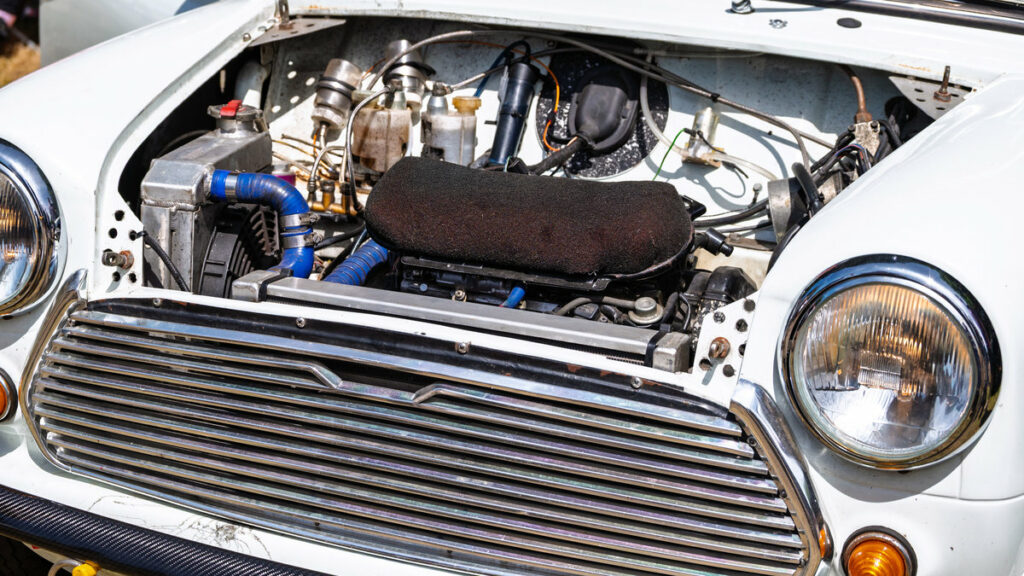
Finding Rare Parts for Obsolete Models
Tracking down parts for old equipment requires three main strategies: online searches, specialty dealers, and community connections. These methods help collectors and repair enthusiasts locate hard-to-find components.
Online marketplaces like eBay and dedicated parts websites serve as the first stop for obsolete parts hunting. Search for exact model numbers and part descriptions to find matches. Join specialty forums where experienced collectors share leads and advice.
Local swap meets and vintage equipment shows offer hands-on opportunities to find rare parts. Bring photos and part numbers to help dealers identify what you need. Network with other collectors who might have spare parts or know reliable sources.
Tips for successful parts hunting: – Document part numbers and specifications – Build relationships with reliable sellers – Check salvage yards and repair shops – Consider compatible parts from similar models – Join online communities focused on your specific equipment
Persistence pays off when searching for obsolete parts. Keep detailed records of your searches and maintain contact with helpful sources for future needs.
Understanding the Challenges of Obsolete Models
Working with Obsolete Models: A Simple Guide
Old models and systems become outdated quickly in today’s fast-moving world. Whether you’re dealing with vintage cars, old computers, or classic machinery, these challenges affect collectors, repair shops, and enthusiasts alike.
The main problems include: – Finding replacement parts – Understanding old instruction manuals – Getting expert help – Matching modern requirements with old designs
Restoring obsolete models needs three key steps: 1. Check the item’s condition carefully 2. Research original specifications and parts 3. Create a realistic repair plan based on available resources
Success depends on practical knowledge, not just technical skills. Many fixes require creative solutions, like adapting newer parts or finding local craftspeople who can remake components. Online communities and specialty forums often provide valuable tips and workarounds for common problems.
The key is starting with simple repairs first and gradually taking on bigger challenges as you learn more about your specific model.
Leveraging Online Marketplaces for Rare Parts
Finding Rare Parts Through Online Marketplaces
When you need hard-to-find parts for old models, online marketplaces offer excellent solutions. Start with liquidation websites, where you’ll find surplus and discontinued items at competitive prices. These sites regularly update their inventory with rare components that might be perfect for your needs.
Check specialized collector websites that focus on specific brands or types of equipment. These niche markets connect sellers with buyers looking for exact replacement parts. Many restorers and hobbyists use these platforms to buy and sell rare components.
Tips for successful online parts hunting: – Search regularly, as inventory changes quickly – Save searches and set up email alerts – Join collector forums for leads on parts – Compare prices across multiple sites – Check seller ratings and return policies
With persistence and smart searching, you can find those hard-to-source parts to keep your older equipment running smoothly.
Exploring Specialty Forums and Enthusiast Groups
Specialty Forums and Enthusiast Groups: Your Gateway to Rare Parts
Online forums and collector groups offer the fastest way to find rare parts and expert advice. These communities connect you directly with experienced collectors, restorers, and parts specialists who share your interests.
Members help each other by: • Sharing trusted sources for hard-to-find parts • Posting repair guides and restoration tips • Trading or selling rare components • Providing access to old manuals and diagrams
Join these groups by: 1. Finding forums specific to your interest 2. Reading past discussions before posting 3. Introducing yourself and your project 4. Asking clear, specific questions 5. Contributing your own knowledge when possible
The collective knowledge in these communities saves time and money in your search for rare parts. Active members often know exactly where to find what you need or may have the part themselves.
Utilizing Social Media Networks for Parts Sourcing
Social Media: A Powerful Tool for Finding Rare Car Parts
Facebook, Instagram, and Twitter help car enthusiasts find hard-to-find parts quickly and easily. These platforms connect you directly with other collectors, sellers, and experts who share your passion for vintage vehicles.
Join model-specific groups on social media to: – Get instant alerts when rare parts become available – Ask questions and get answers from experienced collectors – Share photos of parts you need – Connect with reliable sellers and parts specialists
Car enthusiast communities on social media offer practical benefits: – Real-time updates on parts availability – Direct messaging with sellers – Quick price comparisons – Tips on alternative parts options – Local meetups and swap meets information
Search for parts by joining groups focused on your specific car make and model. Use hashtags like #vintagepartsforsale or #classiccarparts to find current listings. Follow experienced collectors and reputable parts dealers to stay updated on new inventory.
Attending Swap Meets and Collector Conventions
Swap meets and collector conventions are perfect spots to find hard-to-get parts and connect with fellow collectors. These events bring together buyers, sellers, and enthusiasts who share a passion for collecting and trading rare items.
At these gatherings, you can: • Find discontinued parts at better prices than online • Meet experienced collectors who share valuable tips • Learn about market values and pricing trends • Discover new items for your collection
The best strategy is to arrive early, bring cash, and know exactly what you’re looking for. Many sellers are willing to negotiate prices, especially later in the day. Take time to walk the entire venue before making purchases – you might find better deals by comparing different vendors.
Remember to check event schedules in advance and join collector groups online to stay informed about upcoming meets in your area.
Networking With Enthusiasts
Meeting Other Collectors: The Best Way to Find Rare Parts
Swap meets and collector shows are still the top places to find rare parts, even in today’s online world. These in-person events connect you directly with other collectors who share your interests and often have the exact parts you need.
At these gatherings, you can: • Inspect parts in person before buying • Learn tips from experienced collectors • Build relationships with reliable sellers • Discover rare items not listed online • Get real-time advice about prices and authenticity
The friendships you make at these events often lead to exclusive deals and insider knowledge about where to find specific parts. Talking face-to-face with other collectors helps you learn market prices, spot fakes, and understand which parts are truly rare versus just hard to find online.
Remember: Regular attendance at these events builds your reputation in the collector community, making others more likely to contact you when they find parts you need.
Identifying Rare Finds
Finding Rare Collectibles: A Beginner’s Guide
Swap meets and collector shows are gold mines for finding rare and hard-to-find items. These events bring together sellers with unique pieces that you won’t find in regular stores or online marketplaces.
Spotting genuine rare finds requires three key skills: • Knowing market availability – which parts are truly scarce vs just temporarily out of stock • Checking item condition and authenticity • Understanding fair market prices for rare pieces
Smart Storage Tips: 1. Keep items in climate-controlled spaces 2. Use protective cases or containers 3. Label and catalog everything clearly 4. Store similar items together 5. Check items regularly for signs of wear
Success at collector events comes from preparation and patience. Research prices beforehand, bring reference materials, and take time to thoroughly inspect potential purchases. Building relationships with other collectors and sellers helps you learn about upcoming rare items and get better deals.
Negotiating Prices Smartly
Smart Tips for Negotiating Better Prices
Getting good deals at swap meets and conventions comes down to simple, proven strategies. Research sellers before you buy by checking their reviews and past sales. This helps you focus on trusted dealers who offer fair prices.
Watch how sellers interact with customers and adjust your approach based on their style. If they seem open to negotiation, start with a reasonable offer. If they’re firm on prices, look for package deals instead.
Best deals often happen near closing time when sellers want to clear their inventory. Visit stands about an hour before the event ends – many dealers would rather sell at a discount than pack items up.
Remember these key points: – Check seller reviews first – Match your negotiating style to the seller – Shop late for better discounts – Stay friendly but firm – Bundle items for better deals
Connecting With Local Repair Shops and Technicians
Local Repair Shops: Your Best Resource for Hard-to-Find Parts
Local repair shops and technicians are often the fastest way to find rare parts for old equipment. These experts work with older models daily and know exactly where to look for hard-to-find components.
Building connections with local repair professionals gives you three key advantages: – Direct access to their parts inventory and supplier networks – Expert advice on compatible replacement options – Tips on which alternative parts might work just as well
Visit nearby repair shops to introduce yourself and explain what you’re looking for. Many technicians keep detailed records of parts sources and are happy to share their knowledge with interested customers. They can often spot solutions that aren’t obvious to non-experts.
The relationships you build with local repair experts create a valuable support network. When you need help finding obsolete parts in the future, you’ll have trusted contacts who understand exactly what you need and how to get it.
Investigating Vintage Electronics and Antique Stores
Finding Old Electronics Parts in Vintage and Antique Stores
Vintage electronics stores and antique shops are great places to find rare parts for old devices. These stores often stock components that are no longer made but still needed for repair projects.
What you’ll find in these stores: – Old electronic parts and components – Vintage devices for parts harvesting – Reference materials and repair manuals
Building helpful connections: 1. Talk to store owners who know about old electronics 2. Meet other collectors and repair enthusiasts 3. Join local vintage electronics groups
Tips for successful hunting: – Visit stores regularly – inventory changes often – Bring photos or specs of the parts you need – Ask about special orders or waiting lists – Check both display cases and storage areas
Most store owners welcome questions and can point you to other helpful resources. Many keep lists of wanted items and will contact you when rare parts arrive. Building these relationships makes finding specific components much easier and can lead to better prices.
Engaging With Manufacturer Archives and Resources
Manufacturer Archives: Your Secret Weapon for Finding Rare Parts
Looking for hard-to-find parts for old models? Don’t skip the manufacturer’s archives – they’re packed with helpful information that many collectors miss. These archives store detailed records, diagrams, and part numbers that can help track down exactly what you need.
Start by checking the manufacturer’s repair guides and parts catalogs. These documents often list alternative parts that work just as well as originals. Many manufacturers work with special suppliers who stock older components, even for discontinued models.
Three key steps to success: 1. Contact the manufacturer’s archive department directly 2. Ask about authorized distributors who handle vintage parts 3. Search their technical documents for compatible replacement options
Remember: Parts suppliers and distributors often keep old inventory longer than you’d expect. A quick call or email might connect you with the exact component you need.
Developing Skills for DIY Parts Fabrication
Making DIY Parts: A Simple Guide
Creating replacement parts yourself means learning two main skills: basic machining techniques and 3D printing. You’ll need to understand how to work with different materials and tools to make parts that fit and work properly. The good news is that you can start with simple projects and build up your skills over time.
Quality materials make a big difference in DIY parts. Choose materials that match what the original part was made from when possible. This helps ensure your replacement part will last and function correctly. For beginners, start with common materials like aluminum or basic plastics that are easier to work with.
These skills let you fix old machines and keep valuable equipment running when original parts aren’t available. Each successful project builds your confidence and expertise, helping you tackle more complex repairs in the future.
Understanding Fabrication Techniques
Understanding DIY Parts Fabrication
Making your own replacement parts starts with learning basic fabrication skills. Whether you’re working with metal or plastic, success depends on choosing the right materials and following clear, step-by-step processes.
Three key elements make up successful parts fabrication:
- Using the right tools: Basic machines like lathes and mills help shape raw materials into finished parts
- Material selection: Picking materials that match the original part’s strength and function
- Assembly techniques: Mastering essential skills like measuring, cutting, and joining
Common fabrication methods include: – Cutting and shaping – Drilling and threading – Basic welding – Surface finishing
These skills let you create exact copies of old parts, keeping vintage equipment running. Start with simple projects and build your expertise gradually. Focus on accuracy and safety while learning each new technique.
[The revised text removes flowery language, uses direct statements, groups related concepts, and maintains a clear, practical focus while being accessible to non-experts.]
Sourcing Quality Raw Materials
Quality Materials Make Better Parts
Finding good raw materials is essential for making replacement parts that work and last. When you’re fixing up old equipment or creating custom pieces, the materials you use make all the difference.
Start by looking for reliable suppliers who consistently deliver high-quality metals, plastics, or composites. Good suppliers will provide materials that meet industry standards and come with proper documentation. Keep track of trusted vendors and build relationships with them – this helps ensure steady access to the materials you need.
Watch out for common supply challenges: • Price changes • Material shortages • Delivery delays
To avoid these problems: 1. Compare prices from multiple suppliers 2. Order materials ahead of time 3. Keep extra stock of frequently used items 4. Stay flexible with material choices when possible
Remember: Quality materials directly affect how well your finished parts will work. Taking time to source the right materials saves money and frustration in the long run.
Frequently Asked Questions
How Can I Identify the Specific Part Number I Need?
To find the exact part number you need:
- Check your product’s manual or label for the model number
- Look up the part in your manufacturer’s catalog or website
- Contact customer service with your model details
- Use online parts lookup tools with your product information
Getting the right part number is straightforward when you have your product’s basic information. Start with the model number from your device, then use it to search parts catalogs or manufacturer websites. Many brands offer online tools where you can enter your model number to find matching parts. If you’re unsure, take a photo of the current part or write down any numbers you see on it. This helps prevent ordering mistakes and ensures you get the correct replacement part.
Are There Any Online Communities Dedicated to Specific Obsolete Models?
Yes, many active online communities focus on obsolete models and vintage equipment. Facebook groups, Reddit communities, and dedicated forums bring together collectors and enthusiasts who share tips, photos, and repair advice.
Popular platforms include: – Vintage Computer Forums – RetroTech Discord servers – Model-specific subreddits – Classic hardware Facebook groups
These communities help members: – Find rare parts and accessories – Troubleshoot common problems – Share restoration techniques – Connect with fellow collectors – Document model history and variations
Members range from casual fans to serious collectors, creating valuable knowledge bases through shared experiences and documentation. Most communities welcome newcomers and offer beginner-friendly resources for getting started with obsolete technology.
What Are Some Reliable Websites for Rare Parts Auctions?
Best Websites for Rare Parts Auctions:
Leading auction websites for rare parts include Bring A Trailer, Cars & Bids, and CopartBids, which specialize in automotive components. These sites offer secure transactions and verified sellers.
Local Sources and Direct Channels: – Manufacturer surplus sales – Certified dealership auctions – Local repair shop networks – Specialty parts distributors
Online Marketplaces: – eBay Motors (largest selection) – Facebook Marketplace (local finds) – RacingJunk (performance parts) – Rock Auto (new old stock)
Pro Tips: 1. Set up email alerts for specific parts 2. Join enthusiast forums for private sales 3. Check salvage auctions for complete vehicles 4. Build relationships with local parts specialists
Remember to verify seller ratings and part authenticity before bidding. Most reputable sites offer buyer protection and detailed part histories.
How Do I Verify the Authenticity of Vintage Parts?
Checking vintage parts’ authenticity involves two main steps: inspecting the part itself and verifying the seller.
For part inspection: – Look for correct manufacturer markings and date codes – Compare with known authentic examples using reference guides – Check for signs of age that match the claimed period – Examine materials and construction methods typical of that era
For seller verification: – Research the seller’s reputation and history – Read customer reviews and feedback – Ask for detailed photos and documentation – Verify if they specialize in vintage parts
Tip: Join online collector communities or consult experts when dealing with rare or valuable parts. Take clear photos of any markings or serial numbers to share with knowledgeable collectors for a second opinion. Always request proof of authenticity or origin when available.
Remember: Original packaging, period-correct documentation, and matching serial numbers strengthen authenticity claims. When in doubt, consider having valuable parts authenticated by a certified expert.
Can I Find Rare Parts in International Markets?
Yes, you can find rare parts in international markets, and it’s often worth exploring these options.
Global marketplaces offer many hard-to-find components that might not be available locally. Search online platforms, specialty shops, and international dealers to expand your options. Japanese auto parts markets, European restoration specialists, and other overseas vendors frequently stock rare or discontinued items.
Before buying internationally: – Check seller ratings and reviews – Compare shipping costs and delivery times – Verify part compatibility – Watch for import restrictions – Consider using trusted shipping forwarders
While international shopping takes extra effort, it can help you track down those elusive parts you need. Just remember to factor in customs fees and longer delivery times when planning your purchase.