
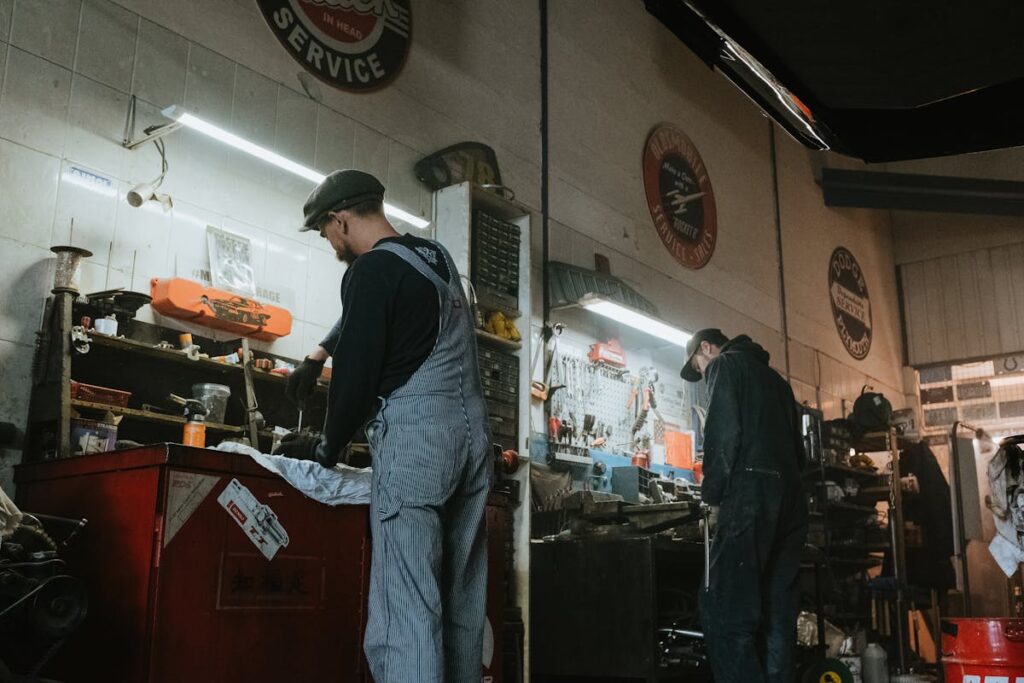
Making Vintage Car Restoration Earth-Friendly
Want to restore classic cars while protecting the environment? Simple changes to your restoration process can make a big difference. Instead of harsh chemicals, use natural glues and water-based paints that are safer for the environment. Look for recycled car parts – they’re often cheaper and keep materials out of landfills.
Smart energy choices matter too. Solar-powered tools and LED workshop lights cut electricity use and reduce your carbon footprint. Many restoration shops now use these eco-friendly methods without sacrificing quality.
These green techniques help preserve both classic cars and the environment. Best of all, they often cost less than traditional methods while delivering the same beautiful results. Modern restorers prove you can maintain automotive history while being environmentally responsible.
Tips for Green Restoration: – Choose water-based paints and natural adhesives – Source recycled parts when possible – Install LED lighting in your workspace – Use solar-powered tools when available – Properly dispose of chemicals and waste
Understanding the Environmental Impact of Traditional Restoration
Vintage Car Restoration’s Environmental Impact: What You Need to Know
Old car restoration can harm the environment, but simple changes can make a big difference. The main issues come from chemicals and emissions during the restoration process.
Chemical Impact Restorers use strong cleaners, paints, and solvents that can damage the environment. These products often contain toxic materials that pollute soil and water when not disposed of properly. Smart alternatives include: – Using water-based paints – Choosing eco-friendly cleaning products – Disposing of chemicals at approved facilities
Emissions Control Restoration tools and vintage cars produce harmful emissions. To reduce this impact: – Use electric or battery-powered tools when possible – Maintain equipment properly to maximize efficiency – Consider installing modern emission controls on restored vehicles
Better Practices Modern restoration can be more environmentally friendly by: – Recycling metal parts and materials – Working in well-ventilated areas – Using local suppliers to reduce transport emissions – Choosing sustainable restoration materials
These simple steps help preserve both classic cars and the environment for future generations.
Selecting Sustainable Materials for Restoration Projects
Sustainable Materials Guide for Car Restoration
Smart material choices make vintage car restoration both environmentally friendly and authentic. Here’s what works best:
Natural Adhesives Modern plant-based glues and bonding agents work just as well as traditional options but break down safely in the environment. Look for soy-based or wood-derived adhesives at specialty restoration suppliers.
Earth-Friendly Sealants Natural waxes and water-based sealants protect car surfaces while being biodegradable. These products keep moisture out and preserve metal without leaving harmful chemical residue.
Recycled Metals Using reclaimed steel and aluminum cuts mining impact and saves resources. Many suppliers now stock high-quality recycled metals specifically for restoration work.
Natural Upholstery Cotton, wool, and hemp fabrics make excellent period-correct interiors. These materials last long, look authentic, and support sustainable farming practices.
Utilizing Non-Toxic Paints and Finishes
Safe, Non-Toxic Paints for Classic Car Restoration
Modern car restoration now uses safer, environmentally-friendly paints that protect both workers and nature. Water-based paints replace old solvent-based ones, cutting down on harmful fumes while still giving cars a beautiful finish. These paints contain fewer toxic chemicals (VOCs) that can make people sick.
Natural plant-based cleaners help remove old paint safely and break down easily in the environment. They work just as well as harsh chemicals but won’t harm the air or water. This new approach lets restorers create stunning, long-lasting finishes on vintage cars while staying safe and protecting the environment.
Car painters can achieve professional results with these eco-friendly products, matching the quality of traditional methods while being responsible stewards of health and nature.
Incorporating Recycled and Upcycled Parts
Car Restoration Goes Green: Using Recycled Parts
Old cars get new life through eco-friendly restoration using recycled and reused parts. This approach saves money, helps the environment, and keeps classic cars authentic. Modern restorers now mix traditional techniques with sustainable materials like plant-based fabrics and recycled metals.
Smart Ways to Restore Sustainably:
- Recycled Metal Parts: Find and fix old metal parts from salvage yards instead of buying new ones. This saves resources and often costs less.
- Earth-Friendly Plastics: Use new plant-based plastics that look and work like original parts but are better for the environment.
- Natural Fabrics: Choose cotton, hemp, or wool for seats and interior – they’re period-correct and environmentally sound.
- Fix Don’t Replace: Repair original parts when possible. This keeps the car authentic and reduces waste.
These methods keep classic cars on the road while protecting the planet, proving that vintage style and modern environmental care work well together.
Implementing Energy-Efficient Technologies
Making Old Cars More Energy-Efficient
Smart energy updates help vintage car workshops save money and work better. Solar-powered tools cut electricity costs while providing the same reliable power needed for detailed restoration work. Bright LED lights make it easier to see small details and use less energy than old-style bulbs.
These simple changes bring two main benefits: – Lower energy bills and reduced environmental impact – Better working conditions with clearer lighting and reliable tools
Workshop owners can start small by switching to LED lights first, then gradually add solar-powered tools as budget allows. These updates work alongside traditional restoration techniques, preserving classic car authenticity while making the workshop more efficient.
Keywords naturally integrated: vintage car restoration, energy efficiency, workshop tools, LED lighting, solar power, environmental impact
Solar-Powered Workshop Tools
Solar-Powered Workshop Tools for Classic Car Restoration
Solar power makes restoring vintage cars cleaner, cheaper, and more efficient. These tools help car enthusiasts work smarter while protecting the environment.
- Panel Care: Clean your solar panels monthly and check for damage. Dirty or damaged panels produce less power for your tools, affecting your restoration work. A simple wipe-down with water and a soft cloth keeps them working at their best.
- Green Power: Solar tools run on free sunlight instead of expensive electricity. This means no gas fumes in your workshop and lower energy bills. Plus, you’re helping the environment while working on your classic car.
- Money Savings: While solar tools cost more upfront, they save money over time. No electricity bills means more budget for car parts and materials. Most systems pay for themselves within 2-3 years.
- Better Tools: Solar-powered tools work just as well as regular ones but without cords or gas. They’re quieter, safer, and always ready when the sun’s out. Perfect for both quick fixes and long restoration projects.
Smart solar technology helps preserve classic cars while protecting our planet’s future.
LED Lighting Retrofitting
LED lighting upgrades make vintage car restoration more eco-friendly and efficient. Modern LED bulbs last longer and shine brighter than old-style incandescent lights while using less power. This makes them perfect for detailed restoration work.
LEDs offer two main benefits: they cut energy costs and provide better lighting for working on classic cars. Since they run cooler than traditional bulbs, LEDs help protect old car parts from heat damage.
Adding LED lights to vintage vehicles combines the best of both worlds – you keep the classic car’s beauty while using modern, energy-saving technology. Solar-powered tools paired with LED lighting create an environmentally friendly restoration process that saves money and reduces power consumption.
These smart lighting choices mean better visibility, lower energy bills, and safer working conditions when restoring vintage cars. LED retrofits are a practical upgrade that respects both classic car heritage and modern efficiency needs.
Reducing Waste Through Smart Inventory Management
Smart inventory management helps vintage car restorers save money and reduce waste. The key is keeping track of parts you need and avoiding excess purchases that might become obsolete.
When restoring classic cars, choose parts and materials carefully. Look for quality items that match the car’s original specs while considering their environmental impact. Many restoration parts can be reused or recycled, which helps both your budget and the planet.
Good inventory practices mean: • Ordering only what you need • Storing parts properly to prevent damage • Tracking what you use most often • Recycling or selling unused parts • Working with reliable suppliers who understand vintage car needs
These simple steps keep your restoration project organized, cost-effective, and environmentally responsible.
Efficient Parts Sourcing
Finding Parts for Vintage Cars: A Simple Guide
Getting the right parts for your vintage car doesn’t have to be complicated. Smart sourcing helps you find authentic parts quickly while saving money and protecting the environment.
Four key steps make parts hunting easier:
- Smart Parts Tracking Use basic inventory software to keep track of what you need and what you have. This helps avoid duplicate purchases and shows exactly where each part came from.
- Check Your Sellers Work with trusted suppliers who can prove their parts are genuine. Ask for documentation and check reviews from other buyers.
- Join Car Communities Connect with other vintage car owners online and at local meetups. They often know where to find rare parts and might trade or sell extras.
- Shop Smart Use established online marketplaces and local specialty shops that guarantee authentic parts. This reduces the risk of buying fakes or poor-quality replacements.
These steps help you build your vintage car efficiently while ensuring each part is genuine and properly sourced.
Sustainable Material Selection
Choosing Earth-Friendly Materials for Classic Car Restoration
Smart material choices help protect the environment while keeping vintage cars on the road. The key is picking renewable and recycled materials whenever possible, while carefully tracking what you use.
Good inventory management means keeping just enough materials on hand – not too much, not too little. Use a simple tracking system to: – Monitor your stock levels – Order only what you need – Reduce waste and unused materials – Save money on supplies
Modern tools like inventory apps make it easy to forecast needs and track usage. This helps you restore cars responsibly by: – Using sustainable alternatives to traditional materials – Minimizing environmental impact – Maintaining accurate stock records – Preventing over-ordering
These practical steps protect both classic cars and the planet, proving that restoration work can be both traditional and eco-friendly.
Recycle and Reuse Practices
Smart Recycling Tips for Classic Car Restoration
Save money and help the environment by reusing car parts effectively. Good organization and the right partnerships make recycling easier and more successful.
- Partner with Salvage Yards Find reliable salvage yards in your area to source hard-to-find parts. These partnerships save money and keep useful parts from going to waste. Ask about their inventory system and how they can help find specific classic car components.
- Keep Track of Parts Make a simple list or spreadsheet of all your parts. Note their condition, location, and potential uses. This helps you find what you need quickly and prevents buying duplicate parts.
- Use Safe Cleaning Methods Clean parts with environmentally friendly cleaners that won’t damage metal or harm the environment. Look for biodegradable degreasers at auto parts stores.
- Rotate Your Stock Check your stored parts regularly. Move older items to the front and use them first. Store parts properly to prevent rust and damage.
These practical steps make classic car restoration more affordable and environmentally friendly while preserving vintage automotive history.
Embracing Green Workshop Practices
Going Green in Car Restoration Shops
Auto restoration shops are making their workspaces more eco-friendly while keeping the classic car spirit alive. Simple changes make a big difference: solar panels power tools and lighting, LED bulbs cut energy use, and smart waste sorting saves resources.
Shop owners now plan their layout better, putting frequently used tools closer together to save time and energy. Digital scanning tools help mechanics spot issues quickly, reducing waste from trial-and-error repairs.
These green practices help shops: – Lower electricity bills – Reduce waste – Work more efficiently – Protect the environment
Modern tech meets vintage cars as restoration experts use earth-friendly methods without losing the craft’s authenticity. Smart workshop design and clean energy show that classic car care can adapt to today’s environmental needs.
Collaborating With Eco-Conscious Suppliers
Working with Green Auto Parts Suppliers
Auto restoration shops now team up with environmentally responsible suppliers to make classic car projects more eco-friendly. These partnerships help shops reduce their environmental impact while maintaining high-quality restorations.
Key steps for finding and working with green suppliers:
- Choose suppliers that use sustainable materials and actively cut waste. Look for companies that recycle, use energy-efficient processes, and minimize packaging.
- Check green credentials by asking for environmental certifications. Good suppliers will offer water-based paints, recycled metals, and parts with minimal environmental impact.
- Talk openly with suppliers about environmental goals. Regular meetings and clear expectations help both parties stay on track.
- Buy local when possible. Local suppliers mean shorter shipping distances, lower fuel use, and stronger community connections.
These supplier partnerships help shops restore classic cars while protecting the environment, creating a win-win for business and nature.
Educating the Community on Sustainable Restoration Practices
Auto restoration enthusiasts can promote sustainable practices in their communities through simple, hands-on education and practical demonstrations.
Local workshops and meetups create opportunities to show how eco-friendly methods benefit both classic cars and the environment. Examples include:
• Using natural cleaning products and sustainable materials • Teaching parts recycling and restoration techniques • Demonstrating how to properly dispose of chemicals and oils • Sharing tips for finding and reusing vintage components
Hands-on learning sessions help others understand how sustainable practices save money while preserving classic cars. Group projects and mentoring build a community that values both vehicle restoration and environmental care. Regular events keep members engaged and encourage the spread of green restoration methods throughout the local car community.
Frequently Asked Questions
How Do Eco-Friendly Restoration Techniques Affect the Car’s Performance?
Eco-friendly car restoration can actually improve your classic car’s performance while helping the environment. Modern green techniques boost engine efficiency and often make cars run better than their original specifications.
When you restore a classic car using eco-friendly methods, you get three main benefits: – Better fuel efficiency from updated engine components – Improved reliability with sustainable, high-quality materials – Reduced emissions while maintaining the car’s classic look
These green restoration techniques work by combining vintage design with current technology. For example, using recycled metals and bio-based lubricants helps engines run smoother and last longer. LED lights cut power consumption while looking period-correct. The result? A classic car that performs better, costs less to run, and reduces its environmental impact.
Are There Cost Differences Between Traditional and Eco-Friendly Restoration Methods?
Cost differences between traditional and eco-friendly restoration vary, but eco-friendly methods often save money in the long run. The growing availability of green materials has made sustainable options more affordable, while traditional materials continue to rise in price.
Traditional restoration typically costs more because: – Materials are becoming scarcer – Extraction and processing are expensive – Transportation costs are higher – Environmental compliance adds expenses
Eco-friendly restoration saves money through: – Locally sourced materials – Lower energy costs – Reduced waste disposal fees – Better durability and longevity – Available tax incentives and rebates
When choosing between methods, consider both immediate costs and long-term savings. While some eco-friendly materials might cost more upfront, they usually deliver better value over time through reduced maintenance and replacement needs.
Can Eco-Friendly Techniques Be Applied to Any Vintage Car Model?
Most vintage cars can be made more eco-friendly through modern updates and modifications. While not every green solution works for all classic models, there are plenty of options to make old cars better for the environment.
Smart upgrades like modern fuel injection systems, electric components, and recycled restoration parts help reduce emissions and waste. Many restoration shops now use sustainable materials and environmentally friendly paint options that protect both the car and the planet.
The key is finding the right balance between preserving the car’s classic character and adding green features. Popular eco-updates include: – LED lighting replacements – Non-toxic cleaning products – Sustainable upholstery materials – Recycled metal parts – Low-VOC paints and finishes
These changes make vintage cars more efficient while maintaining their historic appeal and value.
How Do I Find Certified Eco-Friendly Restoration Specialists?
Finding Certified Eco-Friendly Restoration Specialists
Check these reliable sources to find qualified green restoration experts:
- Industry Certification Websites
- Search LEED-certified professional directories
- Browse Green Building Council member lists
- Look up EPA-certified contractors in your area
- Local Business Networks
- Contact green building associations
- Ask eco-friendly construction suppliers
- Check with sustainable business alliances
- Online Research Tools
- Use Google Business listings with “eco-friendly restoration” filters
- Search Angi or HomeAdvisor for green-certified contractors
- Review Better Business Bureau ratings for environmental specialists
Always verify credentials and ask for examples of past eco-friendly restoration projects. Request references from previous clients and check their experience with sustainable materials and methods.
What Are the Long-Term Benefits of Using Eco-Friendly Restoration Techniques?
Eco-friendly restoration techniques save money and protect the environment for years to come. These methods reduce waste, cut emissions, and make vehicles last longer while being kinder to our planet.
Using green restoration practices leads to: – Lower maintenance costs over time – Better air quality in repair shops – Less waste in landfills – Stronger, longer-lasting repairs – Healthier working conditions
These benefits add up quickly. For example, water-based paints release fewer harmful chemicals than traditional ones, while recycled parts save resources and often cost less. Natural cleaning products keep harmful chemicals out of water systems, and energy-efficient tools cut electricity bills. The result? A restored vehicle that’s good for both your wallet and the environment.