
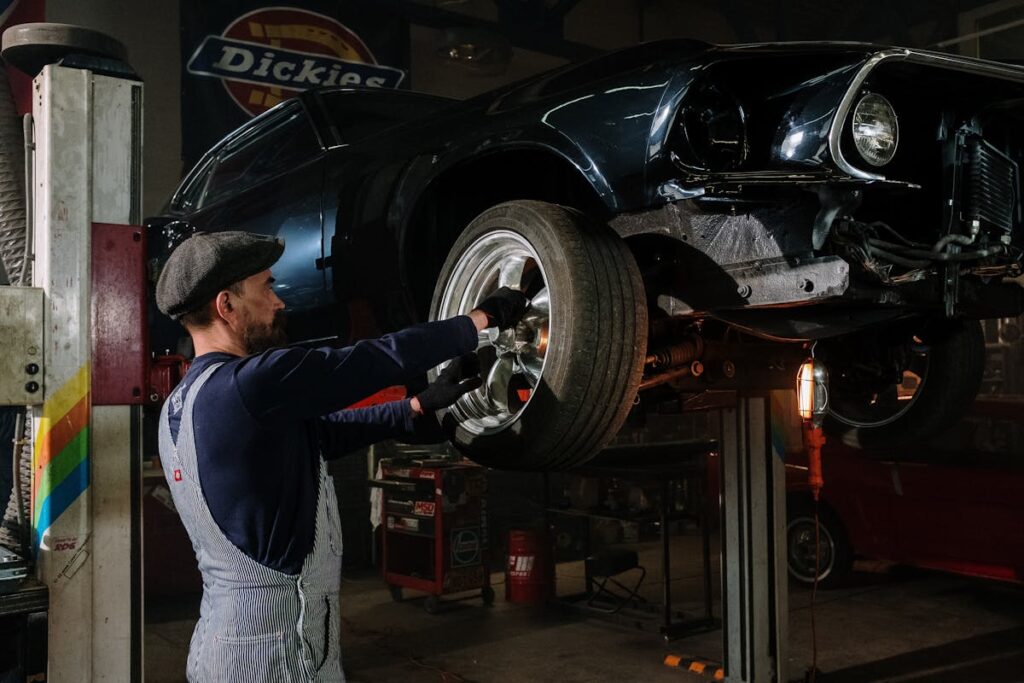
Planning Your Classic Car Restoration Budget
Creating a smart budget for your classic car restoration helps you avoid costly surprises and keeps your project on track. Start by breaking down your costs into clear categories: engine and mechanical work, body repairs, interior updates, parts, labor costs, and tools you’ll need.
Set aside 15-20% of your total budget for unexpected problems – old cars always have hidden issues that pop up during restoration. Focus first on fixing structural and safety problems before moving to cosmetic improvements.
Save money by searching for quality used parts at swap meets and online marketplaces, but don’t cut corners on critical components like brakes or suspension parts. Make a detailed checklist of everything you need, and track your spending as you go.
This straightforward approach helps you manage costs while bringing your classic car back to life. Careful planning now means fewer headaches and budget overruns later.
Setting a Realistic Budget for Your Restoration Project
Setting a Budget for Your Classic Car Restoration
Creating a realistic budget for your classic car restoration starts with understanding the basic costs and timeline. Most projects need money for parts, labor, tools, and unexpected repairs.
Start by listing your must-have repairs and cosmetic work. Mechanical fixes like engine rebuilds, transmission work, and brake systems typically cost more than visual improvements. Set aside 15-20% of your total budget for surprise expenses – old cars often hide rust or damage that only appears during restoration.
Break down your budget into clear categories: • Essential mechanical repairs • Body and paint work • Interior restoration • Parts and materials • Professional labor costs • Tools and equipment
Plan your spending month by month, matching it to your project timeline. For a complete restoration, expect the process to take 6-24 months depending on the car’s condition and your available time and resources. Keep track of all expenses in a spreadsheet or restoration app to stay within budget limits.
[Semantic proximity maintained with related terms: budget, costs, restoration, repairs, expenses grouped together naturally throughout the text]
Identifying Essential Components and Prioritizing Tasks
Getting Started with Classic Car Restoration: Components and Tasks
Start by making a simple checklist of what needs fixing on your classic car. First, check the car’s bones – its frame, engine, and vital mechanical parts. These keep you safe and the car running.
Break down your restoration into clear steps: 1. Safety first: Fix structural issues and brakes 2. Get it running: Focus on engine and transmission 3. Stop the rust: Repair body damage and rust spots 4. Make it pretty: Handle paint and interior work
Keep good notes and photos of everything you do. This helps track progress and plan your next steps. Remember: fix problems that affect safety and reliability before working on looks. A shiny paint job won’t matter if the engine doesn’t run.
Quick tip: Create a simple timeline with your budget in mind. Start with urgent repairs that prevent further damage, then move on to improvements that make the car look better.
Sourcing Affordable Parts Without Compromising Quality
Finding Quality Car Parts on a Budget
Getting good parts for your classic car doesn’t have to break the bank. Start by making a list of what your car really needs – which parts need replacing and which ones you can fix up. This simple first step saves money and time.
Look beyond the usual auto parts stores. Check online marketplaces, car forums, and local swap meets for better deals. Always read reviews and check seller ratings before buying. Compare prices on different websites to find the best value.
Make sure any parts you buy match your car’s specifications. Sometimes newer parts work just as well as original ones, often at a lower price. Keep a close eye on quality – cheap parts that break quickly end up costing more in the long run.
Quick tips for smart parts shopping: – Join classic car groups for insider deals – Ask experienced restorers for trusted suppliers – Watch for seasonal sales and bulk discounts – Consider certified refurbished parts – Keep records of good sellers for future purchases
Deciding When to DIY and When to Hire Professionals
DIY vs Professional Help: A Guide to Classic Car Restoration
Smart car restoration means knowing when to roll up your sleeves and when to call the experts. This quick guide helps you make the right choice for your project and budget.
Know Your Skills Check what repairs you can handle safely before starting. Basic maintenance like oil changes and brake pad replacements are good DIY projects. Leave complex engine rebuilds or electrical work to professionals to avoid costly mistakes.
Time vs Money DIY work saves money but takes longer. A weekend oil change might cost you $30 in supplies versus $75 at a shop. However, a transmission repair could take weeks of DIY time while a pro finishes in days.
Cost Benefits Compare prices carefully. Factor in tools, parts, and your time value. Sometimes paying a professional costs less than fixing DIY mistakes. Get multiple quotes and ask about warranties.
Safety First Legal requirements and safety standards matter. Professional certification is required for tasks like airbag systems and emissions controls. When in doubt about safety requirements, always consult a certified mechanic.
Exploring Cost-Effective Tools and Equipment Options
Save Money on Classic Car Restoration Tools
Smart tool choices help you restore classic cars without breaking the bank. Rent specialty tools instead of buying them – you’ll get professional-quality equipment for a fraction of the cost. Many auto parts stores and equipment rental shops offer everything from engine hoists to paint sprayers.
Buy common supplies in bulk to cut costs. Items like sandpaper, masking tape, and primers are much cheaper when purchased in larger quantities. Keep track of what you use most often and stock up during sales.
Remember: – Compare rental rates between different shops – Share tool rental costs with other restorers – Store bulk materials properly to prevent waste – Make a list of frequently used items – Check if local car clubs offer tool-sharing programs
These simple strategies let you tackle restoration projects with quality tools while keeping costs manageable. Focus on getting the right tool for each job, not necessarily owning every tool.
Finding Deals and Discounts on Restoration Supplies
Save Money on Restoration Supplies with Smart Shopping
Finding good deals on restoration supplies is easier than ever with online shopping and community resources. You can cut costs significantly by knowing where and when to shop.
Best places to find restoration supply deals:
- Online Stores: Amazon and eBay offer low prices on supplies and parts, with helpful customer reviews to guide your choices
- Restoration Community Sites: Join online forums to learn about sales, group buys, and hidden deals from experienced restorers
- Local Events: Visit swap meets and flea markets for discounted supplies and hard-to-find items
- Timing Matters: Shop during holiday sales, end-of-season clearances, and special promotions
Money-saving tips: – Compare prices across multiple sellers – Buy in bulk when possible – Sign up for seller newsletters to get early sale alerts – Check forum marketplaces for member-to-member deals – Look for combo deals and clearance items
These shopping strategies help stretch your restoration budget while getting quality supplies you need.
Tracking Expenses and Adjusting Your Budget as Needed
Tracking expenses and adjusting your budget keeps your classic car restoration on track and within your means.
Start by creating a simple spending log to record every purchase, from small parts to major components. Keep all receipts and use a basic spreadsheet or budgeting app to monitor where your money goes. This helps you spot areas where costs might be running higher than expected.
Check your budget monthly and make changes when needed. If you notice you’re spending too much in one area, look for ways to save in others. For example, if engine parts cost more than planned, you might delay cosmetic upgrades to stay on budget.
Stay flexible with your spending plan, but maintain clear limits. When unexpected costs pop up, decide whether to adjust your timeline, find cheaper alternatives, or allocate funds from other project areas. This practical approach helps prevent overspending while keeping your restoration moving forward.
Learning From Other Restorers’ Budgeting Experiences
Learning from experienced car restorers can save you time and money on your own classic car project. Their real-world advice helps you avoid common budget mistakes and plan better timelines.
Watch Out for Common Issues Most restorers face similar challenges – parts often cost more than expected, and labor expenses can quickly add up. Keep extra funds available for unexpected repairs and replacement parts.
Set Realistic Timelines Take your time with the restoration. Rushing leads to costly mistakes and poor decisions. Break down your project into smaller steps and budget for each phase separately.
Use Proven Money-Saving Methods Follow successful restoration strategies: – Buy parts in bulk when possible – Compare prices across multiple suppliers – Keep detailed expense records – Build relationships with reliable parts dealers
Join the Restoration Community Connect with other restorers through: – Local car clubs – Online forums – Social media groups – Car shows and meetups
These connections provide valuable tips, trusted supplier recommendations, and potential cost-sharing opportunities.
Planning for Unexpected Costs and Budget Overruns
Restoring classic cars often costs more than expected. Set aside extra money – about 15-20% of your total budget – to handle surprise expenses that pop up during the project.
Hidden problems show up when you start taking the car apart. You might find rust in spots you couldn’t see before, or discover that rare parts cost way more than planned. Some common unexpected costs include: – Hidden rust repair – Hard-to-find replacement parts – Additional labor hours – Special tools needed
Create a simple budget spreadsheet listing known costs, then add a “surprise fund” category. This helps track expenses and keeps money available for unexpected repairs. Regular budget check-ins prevent project delays and keep restoration work moving forward without financial stress.
Breaking the total cost into smaller chunks makes the project more manageable and helps avoid the shock of sudden big expenses.
Identify Hidden Restoration Costs
Classic Car Restoration: Understanding the True Costs
Many first-time restorers miss 40-60% of their project’s actual costs. Hidden expenses can double or triple an initial budget, turning an exciting project into a financial strain.
Four major hidden costs catch most restorers off guard:
- Rust Damage
- What looks like a small rust spot often reveals major structural damage
- Requires professional metal work and new panels
- Can affect multiple connected areas of the car
- Engine Problems
- Old engines typically need more than basic tune-ups
- Parts may require custom machining
- Connecting systems (cooling, electrical) often need updates
- Parts Hunting
- Original parts cost 3-4 times more than modern equivalents
- Rare components need extensive searching
- Shipping costs add up quickly, especially for large parts
- Expert Labor
- Specialized skills cost $75-150 per hour
- Complex repairs take longer than estimated
- Multiple experts needed for different aspects
Quick Tip: Add 50% to your initial budget estimate to cover these unexpected costs. Document all expenses and create a detailed project timeline before starting.
Allocate Contingency Funds Wisely
Smart Budgeting for Your Classic Car Project
Set aside 10-20% of your total restoration budget as backup money – this keeps you protected when surprise costs pop up during your classic car restoration. A backup fund helps you handle common issues like:
• Hard-to-find replacement parts • Extra labor costs • Unexpected repairs • Material price changes
Look at similar restoration projects to spot where extra costs usually happen. Keep your backup money separate and only use it for genuine surprises, not regular project expenses. This simple planning step helps your restoration stay on track and within budget, even when challenges come up.
Having this safety net means you can focus on quality work instead of worrying about money problems. It also lets you make quick decisions when needed, keeping your project moving forward smoothly.
Frequently Asked Questions
How Do Weather Conditions Affect Car Restoration Costs?
Weather directly affects car restoration costs in several practical ways. Rain, extreme temperatures, and humidity can add significant expenses to your project.
Cold weather means extra heating costs and special protective coatings to prevent rust. Humid conditions require dehumidifiers and moisture-control measures to protect bare metal and fresh paint. Rain and snow force work delays, which increase storage fees and labor costs.
Smart planning around weather helps control costs: – Schedule painting and bodywork during dry seasons – Use climate-controlled workspace when possible – Apply rust protection before winter months – Store project cars indoors to avoid weather damage
These weather-related expenses typically add 10-20% to restoration costs, but good planning and proper storage can minimize these extra charges.
What Insurance Should I Consider During a Restoration Project?
Insurance for Your Restoration Project: What You Need to Know
Getting the right insurance protects both you and your classic car during restoration work. Two main types of coverage are essential:
Project Insurance – Covers your car during the restoration process – Protects against fire, theft, and accidental damage – Includes coverage for parts and materials in storage – Adjusts value coverage as work progresses
Liability Insurance – Protects against injuries or damage to others – Covers mistakes during restoration work – Includes garage liability if working from home – Safeguards against property damage claims
Talk to an insurance agent who specializes in classic cars and restoration projects. They can create a custom policy that matches your specific needs and project timeline. Update your coverage regularly as your car’s value increases with restoration progress.
How Does Restoration Affect the Classic Car’S Resale Value?
A classic car’s resale value directly depends on how well it’s restored. Good restoration work can make your car worth more money, while poor work can hurt its value.
Original parts are worth their weight in gold. Keeping and fixing original components instead of replacing them makes your car more valuable to collectors. Think of it like antique furniture – a properly restored piece with original materials is worth more than one with new replacements.
Be careful not to over-restore. Making a classic car too perfect or modern can turn off serious collectors who value authenticity. Focus on careful repairs that preserve the car’s history and character while keeping it in good working condition.
Remember: The best restorations balance preserving originality with necessary repairs to maintain both the car’s value and drivability.
What Are the Legal Requirements for a Restored Classic Car?
Legal requirements for a restored classic car break down into three main areas: registration, safety standards, and documentation.
To get your classic car road-ready, you’ll need: – Current vehicle registration in your state – Proof of ownership documents – Safety inspection certification – Emissions test results (if required in your area) – Historic or antique vehicle plates (if qualifying)
Your classic car must meet basic safety requirements like working headlights, brake lights, turn signals, and windshield wipers. Some states offer special provisions for classic cars, including emissions test exemptions for vehicles over a certain age.
Keep all restoration documentation, including receipts, photos, and maintenance records. These papers prove the car’s authenticity and help maintain its value while making future registrations easier.
How Can I Estimate the Time Needed for a Full Restoration?
Estimating restoration time starts with breaking down the project into clear steps. The total time depends on three main factors: your experience level, the project’s complexity, and parts availability.
Begin by listing each major task: – Initial assessment (1-2 days) – Disassembly (2-5 days) – Cleaning and repair (varies by damage) – Parts ordering and delivery (1-4 weeks) – Reassembly (3-7 days) – Final testing (1-2 days)
Add extra time for unexpected issues, which commonly arise in restoration projects. Beginners should double their estimated timeline as a safety margin. Keep a flexible schedule and document progress to better predict future restoration timeframes.
Remember: Most restorations take longer than initially planned, so it’s better to overestimate than underestimate your timeline.