
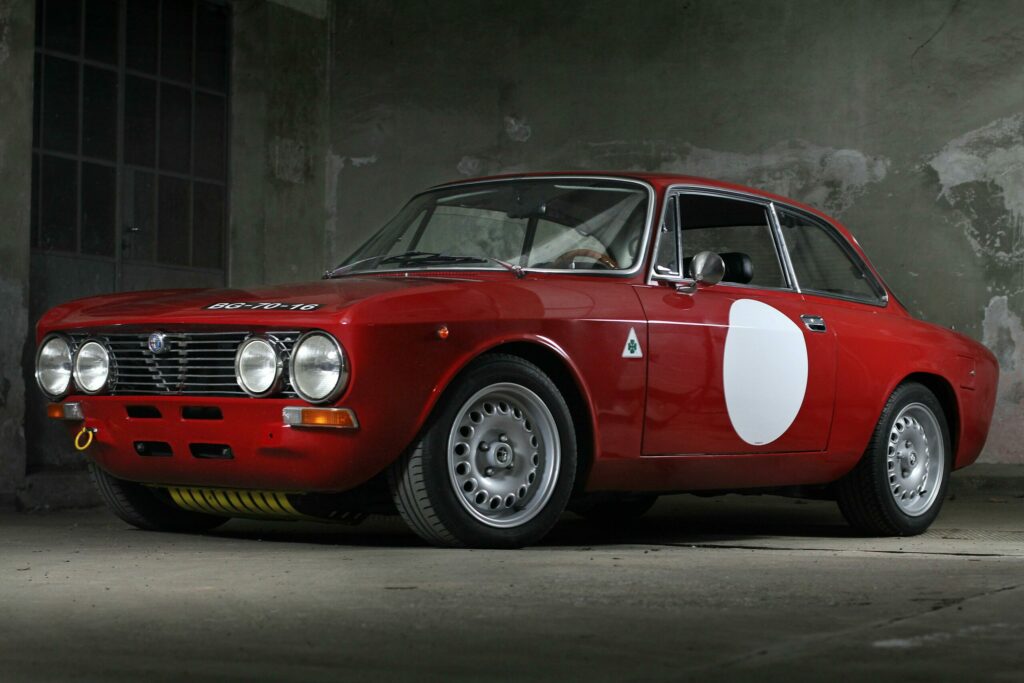
Classic Car Restoration Costs: What to Expect
A full classic car restoration typically costs between $40,000 to $60,000 for a quality result. This investment breaks down into several major categories that every car owner needs to plan for.
Body and Paint Work: $10,000-15,000 – Metal repair and rust removal – Panel replacement – Professional painting – Finishing work
Engine Rebuilding: $8,000-12,000 – Parts replacement – Machine work – Assembly labor – Testing and tuning
Interior Restoration: $5,000-8,000 – Seat upholstery – Carpet and headliner – Dashboard refinishing – Door panels
Mechanical Systems: $8,000-12,000 – Transmission overhaul – Brake system – Suspension components – Steering mechanism
Additional Costs: $9,000-13,000 – Chrome work – Electrical systems – Glass replacement – Wheels and tires
These costs vary based on the car’s condition, make, model, and parts availability. Quality parts and professional labor drive most expenses, but they’re essential for a proper restoration that maintains the car’s value and reliability.
Initial Purchase Price
Setting the Right Starting Price for Your Classic Car
The initial purchase price of a classic car directly impacts your restoration project’s success. To get the best deal, check current market prices using trusted sources like Hagerty Price Guide or Classic Cars Online. Look at similar cars that have sold recently, and consider these key factors:
• Car’s condition and completeness • Rarity and desirability of the model • Documentation and history • Local market trends
Before buying, get a professional inspection to avoid hidden problems. Join local classic car clubs for advice and price insights. Remember: a lower purchase price isn’t always better – an extremely cheap car might need costly repairs that exceed your budget. Set a realistic budget that includes both purchase and estimated restoration costs.
Save money by: – Buying during off-season months – Looking in rural areas – Checking estate sales – Negotiating based on documented issues
Disassembly and Inspection Costs
Taking Apart and Checking Classic Cars: What It Costs
The first step in any classic car restoration is carefully taking the car apart and checking every component. This inspection process shows you exactly what needs fixing and how much work lies ahead. A thorough inspection helps you: – Find hidden rust and damage – Create an accurate budget – Make a realistic timeline – Know which parts need replacement
Mechanics need to document each part they remove and assess its condition. While this detailed work takes time and money upfront, it prevents costly surprises later. Smart restorers know that proper disassembly and inspection save both time and money in the long run by revealing problems early in the restoration process.
Labor Expenses Breakdown
Labor Costs in Classic Car Restoration
Getting your classic car restored? Labor costs for taking apart and checking the car make up a big part of your budget. Most shops charge between $50-150 per hour, depending on their expertise and location.
The main costs come from:
- Finding the Right Mechanic: Classic car experts are in high demand and often charge more than regular mechanics. Look for specialists with proven experience in your car’s make and model.
- Taking Things Apart: Some cars are harder to disassemble than others. Rusty bolts, rare parts, and complex systems take more time and skill.
- Checking Everything: A good mechanic needs time to spot problems like hidden rust, worn parts, or previous poor repairs.
- Keeping on Schedule: Good planning saves money. Delays mean more labor hours, which drives up costs.
Smart tip: Ask your mechanic for a detailed breakdown of estimated hours for each task. This helps you budget better and avoid surprises later.
Part Condition Assessment
Part Condition Assessment: The First Critical Step in Classic Car Restoration
A thorough inspection of every car part tells you exactly what needs fixing in your classic car project. During this stage, experienced mechanics take the car apart piece by piece to check each component’s condition.
The inspection process focuses on three main areas: – Wear and tear on moving parts – Rust and corrosion damage – Basic functionality of components
A careful assessment saves time and money by: – Revealing hidden problems early – Creating an accurate parts shopping list – Setting realistic restoration timelines – Preventing surprises mid-project
The cost depends on your car’s complexity and condition. Most assessments take 8-16 hours of skilled labor, but this investment helps avoid costly mistakes later. Mechanics document every finding, giving you a clear roadmap for your restoration project.
Hidden Damage Discovery
Finding Hidden Damage in Classic Cars
Classic cars often hide serious problems under their shiny exterior. A thorough inspection reveals issues that can affect both safety and value. Think of it like a doctor’s checkup for your car – we need to look beneath the surface to find what’s really going on.
The main problems typically found include:
- Hidden Rust: Rust spots can spread under paint and chrome, weakening the car’s structure
- Bent Frames: Previous accidents or age can twist the car’s backbone without showing outside
- Worn Parts: Old engines and transmissions might look okay but need complete rebuilding
- Bad Wiring: Original electrical systems can be fire hazards waiting to happen
These discoveries usually lead to higher restoration costs than expected. A proper inspection means removing parts, checking every corner, and testing all systems. This process helps owners understand exactly what they’re dealing with before starting repairs.
The good news? Finding these problems early saves money and time in the long run. Smart buyers and restorers always check for hidden damage first, making repair plans based on what they find rather than what they hope to see.
Bodywork and Rust Repair Expenses
Bodywork and rust repair make up a big part of classic car restoration costs, often surprising first-time restorers. These repairs need both money and skill to get right.
Rust is the biggest enemy of classic cars. It spreads quickly and weakens the car’s structure if left untreated. Fixing rust means: – Removing affected metal completely – Cleaning the area with sandblasting or chemicals – Replacing damaged sections with new metal – Sealing everything to prevent future rust
Body panel repairs focus on fixing dents and warped metal. Professional restorers use special tools to reshape metal back to its original form. This work: – Restores the car’s proper look – Maintains correct body alignment – Improves how air flows over the car – Prevents future structural issues
While these repairs can be expensive, they’re essential for preserving both the car’s value and safety. Good bodywork and rust repair create lasting results that protect your classic car investment.
Engine and Transmission Overhaul
Engine and transmission overhauls are major expenses in classic car restoration. The cost breaks down into two main parts: replacement components and skilled labor.
Quality parts are essential for a reliable rebuild. You’ll need items like pistons, gaskets, bearings, and seals – all chosen to match your specific car model. Labor costs often exceed parts prices because experienced mechanics need special tools and knowledge to do the job right.
A complete overhaul usually takes 40-80 hours of work. Many classic car owners choose certified mechanics who specialize in their car’s make and model. This expertise helps ensure proper assembly and adjustment, which directly affects how well your restored engine and transmission will perform.
Remember: cheaper isn’t better when it comes to engine work. Good parts and skilled labor might cost more upfront but save money by preventing future repairs and breakdowns.
Parts Replacement Costs
Parts Replacement in Classic Car Restoration
Engine and transmission work forms the foundation of any successful classic car restoration. These main components determine how well your car will run and how much you’ll spend on the project.
Finding the right parts is often the biggest challenge. You’ll need to: – Search specialty suppliers – Compare original vs. reproduction parts – Check part numbers carefully – Build relationships with reliable vendors
Key Cost Factors: – Rare Parts: Original components for vintage cars can cost 3-5 times more than modern equivalents – Original vs. Modern: New parts may improve performance but reduce collector value – Quality Standards: Always buy certified parts from trusted suppliers – Budget Planning: Set aside 30-40% of your total restoration budget for major components
Smart Tips: 1. Keep a detailed parts inventory 2. Join owner clubs for parts-sourcing networks 3. Buy essential components early in the project 4. Consider bulk purchases for common maintenance items
This practical approach to parts management saves money and prevents project delays while maintaining restoration quality.
Labor and Expertise Fees
Labor and Expertise Costs in Classic Car Engine Work
Expert mechanics charge higher rates for classic car engine and transmission work because these jobs need special skills and experience. A standard engine rebuild can take 20-40 hours of skilled labor, with rates ranging from $85-150 per hour.
Working on vintage cars requires unique knowledge that most modern mechanics don’t have. Mechanics must understand older engineering designs, find rare parts, and know how to repair components that aren’t made anymore. They often spend years learning these specific skills.
Transmission work adds more costs because classic transmissions are complex and different from modern ones. Each model has its own quirks and repair methods. While labor costs might seem high, they reflect the deep expertise needed to restore these historic vehicles properly and safely.
Suspension and Brake System Restoration
Restoring Your Classic Car’s Suspension and Brakes
A properly restored suspension and brake system keeps your classic car safe and comfortable on the road. These vital systems need careful attention during restoration to blend original character with modern safety standards.
Key Restoration Steps:
- Shock Absorbers: Replace or rebuild worn shocks to prevent bouncy rides and poor handling. New shocks improve both comfort and control, especially on rough roads.
- Brake System: Update old brakes with modern parts for better stopping power. New brake discs, pads, and lines make your classic car safer and more reliable.
- Suspension Parts: Check and replace worn bushings, ball joints, and springs. Fresh components stop squeaks, reduce play, and restore tight handling.
- Wheel Alignment: Set proper angles for even tire wear and straight tracking. Correct alignment prevents pulling to one side and ensures responsive steering.
Regular checks and maintenance of these restored components help preserve your classic car’s safety and driving quality. This investment protects both your car’s value and your safety on the road.
Interior Refurbishment Costs
Interior refurbishment makes a classic car restoration complete by creating the personal space where you connect with your vehicle. A well-restored interior dramatically increases both driving enjoyment and car value.
The main focus areas are: – Seats and upholstery (leather, fabric, or modern synthetics) – Dashboard and controls – Carpets and headliner – Wood trim and chrome details
Choosing materials involves balancing authenticity with comfort. Original-style leather keeps the classic look but may cost more, while modern synthetics offer better durability. The dashboard needs careful restoration to maintain both function and period-correct appearance.
Good interior work transforms how the car feels to drive. When done right, sitting in your restored classic should transport you back to when the car was new, while still providing modern comfort and reliability.
Electrical System Revamp
Updating Your Classic Car’s Electrical System
A modern electrical system makes classic cars safer and more reliable while keeping their vintage appeal. This guide helps you understand the basics of electrical updates without complex technical details.
The main steps include: – Checking all electrical parts – Replacing old wiring – Adding modern safety features – Keeping the original look
What You Need to Know:
- Keep it Original: Use parts that look vintage but work better. Modern fuse boxes and LED lights can match old-style designs while providing better safety.
- Safety First: New wiring prevents fires and electrical problems. Replace frayed wires, old fuses, and worn switches immediately.
- Built to Last: Quality electrical parts and proper installation ensure your system works for years. Use marine-grade wiring for better durability.
- Better Performance: Updated electrical systems give you:
- Brighter headlights
- More reliable starting
- Stronger battery charging
- Smoother operation of all electrical parts
These updates make your classic car more enjoyable to drive while protecting your investment.
Paint and Finishing Costs
Paint and finishing work makes a huge difference in classic car restoration, both in looks and value.
Quality paint comes in two main types: single-stage urethane (simpler, one-step process) and multi-stage acrylic enamel (more complex, longer-lasting finish). Choosing the right paint affects how good your car looks and how long the finish lasts.
The painting process follows these key steps: – Careful sanding and priming to create a smooth surface – Sealing to protect the metal – Paint application using special spray guns (HVLP systems) for even coverage – Clear coat layers to protect the paint and add shine
Professional painters focus on getting each step right, from proper surface prep to the final polish. This attention to detail results in that mirror-like finish that makes restored classics stand out at car shows.
Miscellaneous and Unexpected Expenses
Hidden Costs in Classic Car Restoration
Restoring a classic car often comes with unexpected expenses that can surprise even experienced enthusiasts. Common extra costs include:
- Storage Costs Storage fees can add up quickly when projects take longer than planned. A safe, dry space protects your investment, but monthly rates for climate-controlled facilities can be expensive, especially in cities. Budget for at least 6-12 months of storage.
- Paperwork and Registration Getting proper documentation for vintage cars takes time and money. Title transfers, historical registrations, and import papers might require extra fees. Check local DMV requirements early to avoid delays.
- Hard-to-Find Parts Original parts for classic cars can be costly and scarce. What seems like a simple replacement might turn into an expensive hunt through specialty dealers or overseas suppliers. Keep a parts budget buffer of 15-20%.
- Expert Help Skilled craftspeople who specialize in vintage cars often charge premium rates. Custom metalwork, authentic upholstery, and specialized engine work need experts who understand classic techniques. Get multiple quotes and factor in wait times.
These costs are normal parts of restoration projects. Plan for them by adding 25-30% to your initial budget.
Frequently Asked Questions
How Long Does a Full Classic Car Restoration Typically Take?
A full classic car restoration typically takes 12-24 months to complete, though some projects can extend to 3+ years depending on specific circumstances.
The timeline varies based on four main factors: – Starting condition of the car (rust, damage, missing parts) – Availability of replacement parts and materials – Project scope (mechanical work, bodywork, interior) – Time and resources available for the work
Simple restorations of well-maintained cars might take 6-8 months, while complete frame-off restorations of heavily damaged vehicles often need 2-3 years. Most restoration shops handle multiple projects at once, which can affect completion times.
Planning ahead helps manage expectations – create a detailed timeline, secure parts early, and build in extra time for unexpected challenges that often pop up during classic car projects.
What Are the Most Common Classic Cars Chosen for Restoration?
Popular classic cars for restoration fall into several beloved categories, with American muscle cars leading the pack. The Ford Mustang stands as the most frequently restored classic, followed by the Chevrolet Camaro and Dodge Charger. These cars attract restoration enthusiasts because they combine easy-to-find parts with straightforward mechanics and strong community support.
Classic car restorers choose these models for practical reasons: abundant replacement parts, well-documented restoration guides, and strong resale value. The Mustang’s simple engine design and spacious engine bay make it particularly beginner-friendly, while Camaros and Chargers offer similar advantages plus the appeal of their distinctive styling and performance heritage.
How Can I Ensure the Authenticity of Replacement Parts?
Buy authentic replacement parts from authorized dealers and verified suppliers to protect your investment. Check these three key things:
- Purchase directly from manufacturers or their certified retailers
- Look up part numbers in official catalogs to match exact specifications
- Compare serial numbers and packaging with genuine examples
Warning signs of fake parts: – Unusually low prices – Missing or poor-quality manufacturer logos – Packaging errors or low-quality printing – No warranty documentation
Quality replacement parts matter for safety and performance. When in doubt, contact the manufacturer’s customer service to verify a seller’s authorization. Keep receipts and warranty papers for all genuine parts purchased.
Remember: Saving money on questionable parts often costs more in repairs and safety risks later. Authentic parts protect both your equipment and peace of mind.
What Qualifications Should a Classic Car Restorer Have?
Classic car restoration requires hands-on mechanical skills, knowledge of vintage cars, and an eye for detail. The ideal restorer combines practical automotive repair experience with a deep understanding of classic vehicles.
Key qualifications include: • Basic auto repair and maintenance skills • Knowledge of older car systems and parts • Metal working and welding abilities • Paint and bodywork experience • Understanding of original factory specifications • Ability to source vintage parts and materials
A good restorer also needs patience and problem-solving skills to tackle complex projects. Many learn through vocational training, apprenticeships, or years of hands-on experience working with classic cars. While formal education helps, practical experience working on vintage vehicles matters most in this field.
Are There Tax Benefits for Restoring Classic Cars?
Tax benefits for classic car restoration exist mainly when the vehicle serves a business purpose. You can claim deductions if you use your restored classic car for business activities like car shows, rentals, or professional restoration services.
Common tax deductions include: • Restoration parts and materials • Labor costs (if hired professionals) • Storage and maintenance expenses • Business-related transportation costs • Marketing expenses for car shows
Keep detailed records of all restoration expenses and business use to support your tax claims. If you restore classic cars as a hobby, most expenses won’t qualify for tax benefits unless you can prove the activity generates income. Check with a tax professional familiar with automotive businesses to understand specific deductions available in your area.