
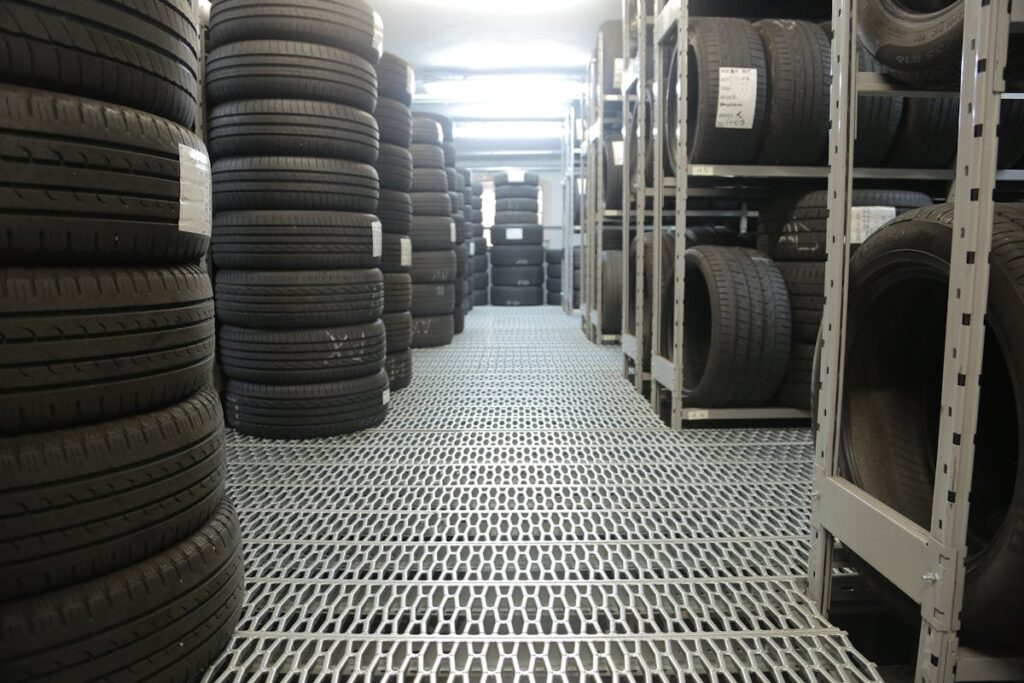
Choosing the Right Tires for Your Vintage Car
Getting the right tires for your vintage car means balancing looks and safety. Original-style tires keep your classic car authentic, but modern tire technology keeps you safer on today’s roads.
Two main tire types dominate vintage car choices: – Bias-ply tires: Match the original look and feel of classic cars from the 1960s and earlier – Radial tires: Offer better handling, longer wear, and improved safety for regular driving
Key factors to consider: 1. Original tire size specifications 2. Driving frequency and conditions 3. Show car vs. regular use 4. Local weather patterns
Modern manufacturers now make vintage-style tires with updated safety features. These tires look period-correct but include current rubber compounds and improved tread patterns. This gives classic car owners the best of both worlds – authentic appearance with modern performance.
For show cars driven rarely, bias-ply tires maintain historical accuracy. For classics driven regularly, radial tires provide better stability and safer handling on modern roads.
Understanding Tire Types for Vintage Cars
Choosing the Right Tires for Vintage Cars
Vintage cars need specific tires that match both their era and safety requirements. Unlike modern tires, classic cars often use different designs like bias-ply or early radial types to maintain authenticity.
Many tire makers now create special vintage-style tires using today’s safer materials. These tires look period-correct but offer better grip and durability than original designs. When picking tires for your classic car, focus on:
• Matching the original tire size and style • Finding reproductions from trusted manufacturers • Balancing historical looks with modern safety features
Modern replacement options give vintage car owners the best of both worlds – classic appearance with updated performance. This means you can drive your classic car safely while keeping its original character intact.
[Semantic grouping maintained with key terms: vintage cars, classic tires, bias-ply, radial, safety, authenticity, reproduction tires]
Importance of Tread Design in Vintage Tires
Tread Design in Vintage Tires: What You Need to Know
Classic car tire treads serve two main purposes: providing safe road grip and maintaining authentic vintage looks. The right tread pattern helps your vintage car handle properly while keeping its original character.
Modern tire technology offers better grip and safety features, but many collectors prefer period-correct tread designs to keep their classic cars looking authentic. This creates a choice between improved performance and historical accuracy.
When choosing vintage tire treads, consider: – Safety requirements for your driving needs – How often you drive the car – Whether you show the vehicle at events – Local weather conditions
The best tread design balances performance with period-correct appearance. For daily drivers, modern tread patterns provide better wet-weather grip and longevity. For show cars, original-style treads maintain collector value and historical authenticity.
Performance and Safety Factors
Tread Design: Safety and Performance Guide for Vintage Cars
Good tire tread design keeps vintage cars safe and performing well on the road. The pattern of grooves and blocks on your tires directly controls how well your car grips the road, turns, and stops.
Modern tread patterns offer better safety than original vintage designs, so choosing the right tire means balancing authentic looks with current safety standards. Check the tire’s sidewall markings – they tell you important details about load limits, speed ratings, and how the tire is built.
A well-designed tread moves water away from your tires in wet weather, reducing the risk of sliding. When picking tires for your vintage car, look for options that maintain the classic look while providing modern safety features. This ensures your car stays both authentic and safe to drive.
Aesthetic and Historical Accuracy
Getting Vintage Tires Right: Style Meets History
Finding the right tires for vintage cars means balancing old-school looks with modern safety. The key is choosing tires that match how the car looked when it first hit the roads, while keeping you safe on today’s streets.
Tire makers create special vintage-style tires that capture four main features from the past:
- Tread Patterns: Exact copies of original designs from that time period
- Sidewall Look: Original-style logos and lettering
- Rubber Mix: Similar materials to what was used back then
- Construction: Built like they were in the old days
When you match these details correctly, your classic car looks authentic from every angle. Modern tire companies now make these vintage-style tires with updated safety features, giving you the best of both worlds – classic looks with current safety standards.
Remember: Period-correct tires complete a vintage car’s restoration, making it look just like it did when it first rolled off the factory floor.
Modern vs. Classic Patterns
Classic vs. Modern Tire Patterns: What’s the Difference?
Vintage cars face a common dilemma: stick with classic tire patterns or upgrade to modern ones. Classic patterns show off period-correct designs that match a vintage car’s original look. These traditional treads feature simple zigzags and blocks that were common in their time.
Modern tire patterns use advanced designs for better grip and water handling on today’s roads. They’re safer and last longer, but might look out of place on a classic car.
Many tire makers now offer the best of both worlds: replica tires that look vintage on the outside but pack modern safety features inside. This gives car owners a practical choice – keep the authentic look while getting better performance and safety for daily driving.
Key features to consider: – Classic patterns: authentic look, period-correct style – Modern patterns: better grip, improved safety – Replica options: vintage appearance with current technology
Exploring Bias-Ply vs. Radial Tires
Bias-ply and radial tires differ in how they’re built and perform on the road. Bias-ply tires use criss-crossing fabric layers, while radial tires have fabric that runs straight across from edge to edge.
The design differences mean: – Bias-ply tires provide a firmer, more traditional ride – Radial tires offer better grip, handling, and gas mileage
Classic car owners face a common choice: stick with original-style bias-ply tires to keep their vehicle historically accurate, or switch to modern radials for better performance. Both options work well, but radials generally make driving easier and safer on today’s roads.
The right choice depends on how you use your car: – Show cars and museum pieces: Bias-ply keeps things authentic – Regular driving: Radials offer practical benefits for modern roads
Historical Design Differences
Choosing Between Bias-Ply and Radial Tires for Classic Cars
Bias-ply and radial tires create significant differences in vintage car performance and authenticity. Bias-ply tires match original classic car designs, while radial tires offer modern driving benefits. This choice affects both how your classic car looks and drives.
Key Differences at a Glance: – Bias-ply tires fit original wheels perfectly and keep vintage cars historically accurate – Radial tires need modern wheel setups and might require suspension changes – Bias-ply construction uses crossed layers of material, while radials have straight layers – Original-style bias-ply tires give classic cars the right vintage look
Tire Choice Impact: 1. Wheel Fit: Original wheels work best with bias-ply 2. Suspension: Bias-ply matches vintage suspension designs 3. Handling: Radials provide better grip and smoother rides 4. Look: Bias-ply keeps classic cars period-correct
This knowledge helps classic car owners make smart restoration choices that match their driving goals and authenticity preferences.
Performance and Ride Quality
Bias-ply and radial tires offer different driving experiences that affect both performance and comfort.
Bias-ply tires use criss-crossed fabric layers that create a stiffer ride. While these tires match classic cars’ original look, they make driving less smooth and stable, especially at high speeds. They also require more energy to roll, which can affect fuel efficiency.
Radial tires provide better handling and a smoother ride. Their design keeps more tire surface in contact with the road, which means better grip and less road noise. Many classic car owners choose radial tires to combine vintage style with modern driving comfort.
For daily driving and improved safety, radial tires are the practical choice. They deliver better fuel economy, longer tire life, and more predictable handling in wet conditions.
Authenticity vs. Modernization
Choosing Tires for Classic Cars: Modern vs. Traditional
Classic car owners often need to decide between original-style bias-ply tires or modern radial tires. This choice affects both the car’s authenticity and daily driving experience.
Bias-Ply Tires (Traditional Choice): – Match the original look of classic cars – Create authentic driving feel – Cost more due to limited availability – Wear faster than modern tires
Radial Tires (Modern Option): – Last longer on the road – Provide better grip and handling – Cost less and are easy to find – Make driving safer and more comfortable
Making Your Choice: Pick bias-ply tires if you want complete historical accuracy or plan to show your car at events. Choose radial tires if you drive your classic car regularly and want better safety and comfort. Many owners keep a set of each – bias-ply for shows and radials for regular driving.
Cost Tips: Radial tires typically save money over time through longer wear and better availability. Bias-ply tires, while more expensive upfront, maintain your car’s collector value for shows and authenticity.
Selecting Period-Correct Tires for Authenticity
Getting the Right Vintage Tires for Your Classic Car
Period-correct tires make a huge difference in your classic car’s authenticity. In the past, most cars used bias-ply tires, which had a distinct construction of layered fabric and rubber at angles. While modern radial tires perform better, they won’t give your vintage vehicle that authentic look.
Finding the Perfect Match Check your car’s original tire specifications first. Look for reproduction tires that match the old-style sidewall markings, including size codes and manufacturer details. Many companies now make high-quality replicas of classic tires that look period-correct but offer improved safety features.
Quick Tips for Tire Selection: – Compare original tire codes with reproduction options – Look for bias-ply construction when historically accurate – Check sidewall markings to ensure proper period details – Consider reproductions that blend vintage looks with modern safety
Remember: The right tires don’t just improve your classic car’s appearance – they complete its historical accuracy and help tell its story correctly.
Evaluating Tire Durability and Longevity
Tire Life: What Every Vintage Car Owner Needs to Know
Good tires are essential for both safety and performance in vintage vehicles. Regular checks and proper maintenance help your tires last longer and perform better. Here’s what matters most:
Tread Quality The rubber compound and tread pattern directly affect how long your tires last. Softer compounds grip better but wear faster, while harder compounds last longer but provide less grip. Look for tires that balance both qualities for your driving needs.
Wear Signs Check your tires monthly for: – Uneven wear on edges (shows alignment problems) – Center wear (incorrect tire pressure) – Patchy wear (suspension issues)
Tread Life Numbers Tire ratings range from 200 to 800 – higher numbers mean longer life. Most vintage car tires fall between 300-500, lasting 30,000-50,000 miles under normal conditions.
Weather Impact Heat, cold, and sun damage affect tire life: – Park in shade when possible – Check pressure monthly – Rotate tires every 5,000 miles – Replace tires over 6 years old, regardless of wear
These simple checks help you get maximum life from your vintage car tires while maintaining safety.
Sourcing Tires for Vintage Vehicles
Finding Tires for Classic Cars: A Simple Guide
Getting the right tires for your vintage car takes some legwork, but it’s definitely doable. Most classic cars need specific tire sizes and styles that aren’t readily available at regular tire shops.
Start your search at: – Specialty vintage tire dealers – Online classic car forums – Classic car restoration shops – Dedicated tire reproduction companies
Tips for successful tire sourcing: 1. Know your exact tire specifications 2. Check if modern alternatives are safe for your car 3. Compare original-style reproduction tires with period-correct options 4. Join classic car clubs for trusted recommendations
Safety note: Even if you find original vintage tires, consider modern reproductions instead. They offer better safety features while keeping the classic look. Modern rubber compounds provide better grip and durability than old-stock tires.
Remember: The right tires affect both your car’s appearance and safety. Take time to research and don’t rush the purchase. Quality matters more than finding the cheapest option.
Balancing Performance and Aesthetics
Finding the Sweet Spot: Performance Meets Style in Vintage Cars
Restoring a classic car requires smart choices about tires that look right and drive safely. Modern tire technology can give your vintage vehicle better handling while keeping its authentic appearance. The key is picking tires that match your car’s era while delivering reliable performance on today’s roads.
Tire Materials That Work Modern rubber compounds offer better grip and longer life than original materials, while still looking period-correct. Choose between traditional bias-ply tires for complete authenticity or radial tires with vintage styling for improved handling.
Getting the Look Right Tire sidewalls define your car’s character. Whitewalls and raised lettering match specific decades and styles. Pick sidewall designs that match your car’s era: – 1950s: Wide whitewalls – 1960s: Thin whitewalls – 1970s: Raised white lettering
Smart Compromises Mix old and new features to get the best results: – Use vintage-style treads with modern rubber compounds – Install period-correct sizes with updated internal construction – Choose classic looks with current safety standards
Manufacturing Methods Today’s tire makers use advanced techniques to create vintage-looking tires that perform better than originals. These tires combine traditional appearances with modern safety features and handling capabilities.
Maintaining and Caring for Your Tires
Proper Tire Care for Vintage Cars
Regular tire maintenance keeps your classic car safe and looking great. Check tire pressure monthly and before long trips using a quality pressure gauge. The right pressure improves gas mileage, prevents uneven wear, and helps tires grip the road better.
Cold weather causes tire pressure to drop, so check more often in winter. During summer, look for signs of wear and adjust pressure as needed. Rotate your tires every 5,000-7,000 miles to help them wear evenly.
Simple Steps for Tire Care: – Test pressure when tires are cold – Fill to the pressure listed in your owner’s manual – Check for cuts, bulges, or worn spots – Rotate tires regularly – Replace worn tires promptly
These basic maintenance steps protect your investment and keep your vintage car running safely on the road.
Top Tire Brands for Vintage Restorations
Best Tire Brands for Vintage Car Restoration
When restoring a classic car, choosing the right tires makes all the difference in both looks and safety. Modern vintage-style tires combine old-school appearance with updated safety features, giving you the best of both worlds.
Top brands that make vintage-style tires:
- Coker Tire: The go-to brand for exact vintage tire replicas, matching original designs from the 1920s through 1970s
- BFGoodrich: Makes classic whitewalls and period-correct treads with modern rubber compounds
- Vredestein: Popular for European classics, offering vintage looks with current handling technology
- Michelin Classic: Creates faithful reproductions of famous vintage patterns using today’s safety standards
These manufacturers build tires that look period-correct while meeting modern safety requirements. Each brand offers specific fitments for different classic car eras, from pre-war to muscle car periods.
Remember: Always check tire age and condition, even on newly manufactured vintage-style tires, and replace them every 7-10 years regardless of wear.
Frequently Asked Questions
How Do Tire Sizes for Vintage Vehicles Differ From Modern Cars?
The main difference between vintage and modern tire sizes comes down to size and load capacity. Older cars typically use smaller wheels and narrower tires that can’t handle as much weight as today’s tires.
Vintage cars from the 1920s through 1960s often came with 13-16 inch wheel diameters, while modern cars commonly use 17-19 inch wheels. The smaller vintage wheels mean fewer tire options are available, and drivers need to carefully match load ratings to their classic car’s specifications.
When replacing vintage tires, owners should focus on: • Correct wheel diameter • Proper load rating • Compatible speed rating • Appropriate tire width for the original wheel
Modern tires can work on vintage cars if the dimensions and load ratings match the vehicle’s requirements. Many tire manufacturers now make special classic car tires that combine old-school looks with updated safety features.
Are There Specific Tire Pressure Recommendations for Restored Vintage Vehicles?
Vintage cars need different tire pressures than modern vehicles. The right pressure keeps these classics safe and running smoothly.
Check these three key sources for the correct tire pressure: – Original owner’s manual – Vintage car clubs or forums – Classic tire specialists
Old tires and modern replacements work differently because: – Vintage tires use different materials – Classic cars have unique weight distribution – Original suspension systems need specific pressure settings
For best results: 1. Get advice from classic car experts 2. Monitor pressure monthly 3. Adjust for seasonal changes 4. Consider your car’s specific year and model
Regular pressure checks help protect your vintage investment and ensure safe driving. When in doubt, work with a specialist who knows classic cars to find the perfect pressure for your specific vehicle.
Can Modern Tires Be Used on Vintage Vehicles for Everyday Driving?
Yes, you can use modern tires on vintage cars for daily driving – but you need to choose the right ones. The key is matching modern tires to your classic car’s specific requirements.
Modern tires offer better grip, safety, and durability than original vintage tires. However, proper fitment matters most. You’ll need to check: – Tire size compatibility – Load rating requirements – Speed rating needs – Wheel rim specifications
Getting the right fit ensures your vintage car maintains its authentic handling while gaining modern tire benefits like improved wet traction and longer tread life. A tire specialist who works with classic cars can help select the ideal modern tires that preserve your vehicle’s character while enhancing its safety and reliability.
What Are the Signs of Tire Deterioration Specific to Vintage Cars?
Vintage car tires show clear warning signs when they’re wearing out. The most common signs include deep cracks in the rubber sidewalls and visible wear patterns across the tread surface.
Look for these key indicators: – Spider-web cracks in the tire’s rubber (a sign of age-related breakdown) – Uneven or shallow tread depth – Dry, brittle rubber that feels hard to the touch – Bulges or blisters on the tire walls
Regular tire checks are essential for vintage cars because their tires often deteriorate differently from modern ones. Even if the tread looks good, old rubber can become dangerous. Replace vintage car tires showing these signs immediately to maintain safe driving conditions and protect your classic vehicle’s performance.
How Does Climate Affect Tire Choice for Vintage Car Restorations?
Climate directly affects which tires work best for your vintage car. Hot weather makes rubber softer and more flexible, while cold conditions cause it to harden and become less grippy. This means you’ll need different tires for different seasons and regions.
To protect your vintage car tires, store them in a cool, dry place away from direct sunlight. The ideal storage temperature is between 50-70°F (10-21°C). Keep tires off the ground on tire racks or stands to prevent moisture damage and shape distortion.
Hot climates need tires with harder rubber compounds to prevent excessive wear, while colder regions benefit from softer compounds for better grip. Check tire pressure monthly, as temperature changes affect air pressure significantly in vintage tires.