
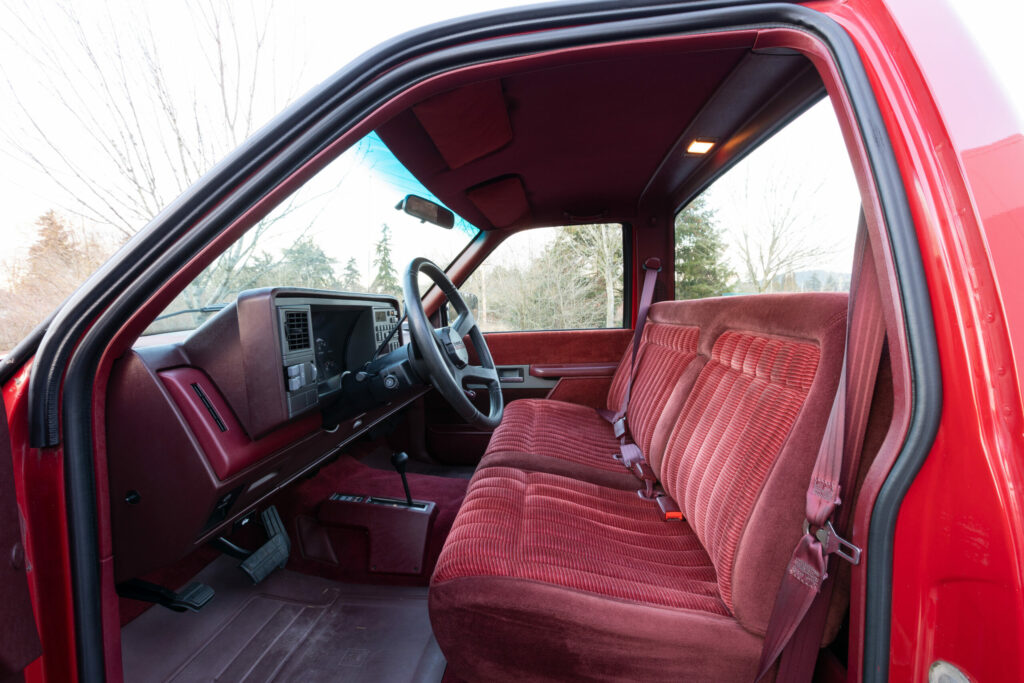
Choosing Between Headliner Repair or Replacement
Classic car headliners affect both your car’s looks and value. When your headliner starts sagging or showing wear, you’ll need to decide between restoration or replacement. Original materials help maintain authenticity and collector value, while modern options provide better insulation and last longer.
Key Factors to Consider: – Current headliner condition – Vehicle’s collector status – Budget constraints – Desired comfort level – Local climate needs
Modern headliner materials like foam-backed fabrics offer better temperature control and noise reduction than original materials. However, for show cars or valuable classics, keeping or restoring the original headliner might be worth the extra effort and cost.
Before making your choice, inspect the headliner backing board and mounting points. A damaged backing board means full replacement is often the best option, while good foundations make restoration more practical and cost-effective.
Understanding the Importance of the Headliner in Classic Cars
The Headliner’s Role in Classic Cars
A headliner does more than just cover the roof of a classic car – it’s a vital part that adds comfort, style, and value to vintage vehicles. Think of it as the ceiling of your car’s interior, but with important jobs beyond looks.
In classic cars from the 1950s and 60s, headliners worked as: – Sound insulation to keep road noise out – Temperature control to keep the cabin comfortable – Style element that matched the car’s interior design – Protection for the metal roof above
Car makers used different materials that showed off the latest technology and fashion of their time. From cloth to vinyl, each material choice helped create the unique feel of classic cars from different decades.
For collectors and restorers, an original or properly restored headliner directly affects a classic car’s value and authenticity. It’s one of those details that shows whether a vintage car has been properly preserved or restored.
Evaluating the Condition of Your Current Headliner
Checking Your Car’s Headliner: A Simple Guide
Look for three main problems in your car’s headliner: sagging fabric, stains or fading, and tears or holes. These issues commonly show up in older cars and need quick attention to prevent further damage.
Start by gently touching the headliner to feel for loose spots or separation from the roof. Check the entire surface, paying special attention to corners and edges where problems often begin. Note any water stains, sun damage, or discoloration, particularly near windows and sunroofs.
The headliner material matters – most cars use either vinyl or cloth. Vinyl headliners tend to crack and peel, while cloth ones typically sag or show water damage. Knowing your headliner type helps you spot specific problems and choose the right repair method.
Take photos of any damage you find. This helps track problem areas and makes it easier to discuss repairs with professionals or plan your DIY fix.
Signs of Wear
Common Signs of Headliner Wear in Classic Cars
Old car headliners often show clear signs when they need repair or replacement. Look for these key problems:
Sagging fabric is the most obvious sign – you’ll notice the ceiling material drooping down or hanging loose. This happens when the glue breaks down or the backing material gets old.
Sun damage shows up as fading or discoloration, making your once-vibrant headliner look dull and worn. Watch for water stains too – these brown spots mean moisture has gotten in.
Tears, holes, and frayed edges are serious red flags. They start small but get worse quickly, especially in older cars. These problems affect both how your car looks and its value.
Fix these issues early to keep your classic car’s interior looking good and protect its authenticity. Most repairs are cheaper when caught early.
Material Assessment
Checking Your Classic Car’s Headliner
A proper headliner inspection helps you decide whether to repair or replace this important interior component. Start by feeling the material – most classic cars use wool, vinyl, or leather headliners, and each shows age differently.
Look for three main problems: – Sagging spots (often means the glue has failed) – Color changes (shows sun damage or water leaks) – Frame damage (check for rust or bent areas)
Run your hand along the surface to find loose areas or bumps. Pay special attention to corners and edges where problems usually start. This quick check tells you if a simple repair will work or if you need a full replacement to keep your classic car’s value and original look.
Historical Authenticity vs. Personal Preference
Balancing Classic Car Headliner Restoration
Finding the right balance between original authenticity and personal style in classic car headliner restoration comes down to three main factors: value, look, and long-term satisfaction.
Original Materials and Value Keeping your classic car’s headliner authentic helps maintain its market value. Original patterns, materials, and colors tell the car’s story and appeal to collectors who value historical accuracy. Using period-correct materials preserves the car’s heritage and investment potential.
Modern Updates and Style New materials can offer better durability and fresh looks while respecting the car’s character. Modern fabrics resist fading and wear better than originals, but choosing period-appropriate colors and patterns keeps the interior looking natural.
Smart Compromise Mix authentic details with subtle updates for the best results: – Match original color schemes – Use quality modern materials that look period-correct – Keep factory patterns while upgrading insulation – Document original materials for future reference
This approach maintains the car’s classic appeal while adding practical improvements that make sense for daily use.
Materials Used in Classic Car Headliner Restoration
Classic Car Headliner Materials: A Simple Guide
Traditional Materials: Mohair and wool broadcloth are the go-to fabrics for authentic classic car headliners. These materials match the original look of vintage cars and create that perfect period-correct interior. While beautiful, they need careful cleaning and maintenance to last.
Modern Options: Today’s synthetic blends and foam-backed fabrics make headliner installation easier and last longer. These materials resist sagging, handle heat better, and clean up easily. Many look nearly identical to original materials while offering better durability.
Attachment Methods: The right glue and fasteners make or break a headliner installation. Professional-grade adhesives designed for automotive use prevent sagging and peeling. Metal clips and plastic retainers secure the edges, creating a smooth, tight fit that lasts for years.
Choosing Your Material: Pick traditional materials if authenticity matters most. Choose modern options if you want easier maintenance and longer life. Both choices work well – it’s about matching your needs for looks, durability, and maintenance level.
Traditional Fabric Options
Traditional Fabrics for Classic Car Headliners
Classic car headliners need the right fabric to maintain their authentic look and feel. Three main fabric types stand out as top choices for restoration projects:
- Wool Broadcloth
- Soft, smooth texture that looks period-correct
- Naturally absorbs road noise and vibrations
- Most common in luxury cars from the 1950s and 1960s
- Faux Suede (Alcantara)
- Modern alternative that matches vintage looks
- Easy to clean and maintain
- Resists fading and wear better than original materials
- Cotton Twill
- Tough, durable fabric perfect for American classics
- Distinctive diagonal weave pattern
- Handles heat and humidity well
These fabrics help keep classic cars looking original while offering practical benefits like sound dampening and durability. When choosing a headliner material, match the fabric to your car’s era and original specifications for the best results.
Modern Material Alternatives
New Materials for Classic Car Headliners
Modern materials give classic car owners better options for headliner restoration. Synthetic fabrics now match the look of original materials while solving common problems like sagging and fading. These new options breathe better, which stops moisture and mold from building up inside your car’s roof.
Budget-friendly choices like polyester blends look authentic but cost less than traditional materials. They come in various textures and patterns that match vintage designs perfectly. Car restorers can now get the classic look they want while using materials that last longer and perform better.
The best part? These new materials install easily, maintain their shape, and keep their color longer than old-style headliners. This means less maintenance and better value for your restoration project.
Adhesives and Fasteners
Modern Adhesives and Fasteners for Headliner Installation
The right adhesives and fasteners make all the difference when installing car headliners. Today’s products offer both strong bonds and easy removal when needed, making restoration work simpler than ever.
Best Adhesive Options: – Contact adhesives bond instantly and let you position materials exactly where you want them – Spray adhesives spread evenly across large areas, preventing bubbles and wrinkles – Removable fasteners like clips and screws make future repairs much easier
Modern adhesives work better than old-style glues and tacks, giving you: – Stronger holding power – Faster installation time – Cleaner finished look – Easier replacement when needed
These reliable fastening methods keep headliners looking great while making sure they stay firmly in place. Whether you choose adhesives or mechanical fasteners, today’s options give you professional-quality results with less effort.
Techniques for Restoring Original Headliners
Restoring Classic Car Headliners: A Simple Guide
Original headliner restoration brings life back to vintage car interiors without losing their authentic charm. The process starts with a careful check of the fabric’s condition, looking for worn spots, tears, and fading.
Clean the headliner first using gentle cleaners made for delicate fabrics. For faded areas, carefully match and apply special fabric dyes to bring back the original color. When securing the headliner, use authentic adhesives that match what the manufacturer originally used.
Want to make small changes? You can adjust the fit or appearance slightly while keeping the classic look. Just stick to materials and colors that match your car’s era. The key is maintaining the original style while making the headliner look fresh and properly fitted.
Remember: Good headliner restoration balances preservation with practical improvements, keeping your classic car’s interior looking period-correct and well-maintained.
Benefits of Replacing the Headliner
Replacing Your Classic Car’s Headliner: Modern Benefits
A new headliner transforms your classic car’s interior while adding modern comfort and durability. Today’s materials last longer and look better than original vintage headliners, making replacement a smart choice for most classic car owners.
Key Benefits: – Better sound control: New materials block more road and engine noise – More style choices: Pick from many colors and textures to match your car’s look – UV protection: Modern fabrics resist sun damage and fading – Improved comfort: Better insulation keeps your car cooler in summer and warmer in winter
Classic cars often lack modern comfort features, but a new headliner adds current-day convenience while maintaining your car’s character. The upgrade makes daily driving more enjoyable and protects your car’s interior from heat and wear.
Pro tip: Choose a headliner material that matches your car’s era while taking advantage of modern durability – you’ll get the best of both worlds.
Cost Considerations: Restoring vs. Replacing
Restoring vs. Replacing a Car Headliner: Cost Guide
The choice between restoring or replacing a classic car’s headliner affects both your wallet and the car’s value. Let’s break down your options:
Restoration Costs: • Preserves original car value • Often costs less upfront • Uses existing materials • Best for collector cars • May need future repairs
Replacement Costs: • Provides longer-lasting results • Uses modern, durable materials • Higher upfront investment • Better fit and finish • Easier maintenance
Your best choice depends on two main factors: your car’s value and your budget. Pick restoration if you own a valuable classic car or want to save money now. Choose replacement if you want a long-term solution or don’t need original materials.
Pro tip: Get quotes for both options before deciding, as material and labor costs vary by region and car model.
Professional Services vs. DIY Approaches
When Choosing Between Professional or DIY Headliner Installation
Professional installation and DIY approaches each have clear benefits for classic car headliner projects. Pros handle the details with expert precision, which matters most for valuable vintage cars. DIY saves money but requires your time and effort.
Professional Benefits: – Expert craftsmanship – Guaranteed results – Proper tools and materials – Time-saving solution
DIY Requirements: – Basic car knowledge – Weekend time commitment – Common hand tools – Workspace access
The right choice comes down to three main factors: 1. Your car’s value and historical importance 2. Your repair experience level 3. Your budget and available time
For rare or valuable classics, professional installation protects your investment. For project cars or daily drivers, DIY can be rewarding and cost-effective. Consider starting with smaller repairs before tackling a full headliner replacement yourself.
Tips for Maintaining Your Classic Car Headliner
Keep Your Classic Car Headliner Looking Great
Regular care keeps your classic car’s headliner in top condition and prevents costly repairs. Clean it monthly with automotive-specific cleaners and a soft brush vacuum attachment to remove dust and dirt. Watch for warning signs like sagging, discoloration, or musty smells.
Key maintenance steps: – Use gentle, car-specific cleaning products – Vacuum regularly with a soft brush – Check for moisture damage and leaks – Look for early signs of sagging – Clean spots immediately to prevent staining
Quick tip: Never use household cleaners on your headliner – they can break down the adhesive and damage the fabric. If you spot any sagging or damage, address it right away to prevent the problem from spreading. A well-maintained headliner not only looks better but also helps preserve your classic car’s value.
Store your classic car in a dry, covered space to protect the headliner from moisture and sun damage. This simple step dramatically extends its life and maintains its original appearance.
Frequently Asked Questions
How Do I Choose the Right Color for My New Headliner?
Choosing Your Headliner Color: A Simple Guide
Match your headliner to your car’s interior colors for the best look. Focus on two main factors: your existing interior trim and the type of fabric you want to use.
For classic car restoration, stick to the original factory colors to maintain authenticity. For modern vehicles, light neutral shades like beige or gray work well because they: – Make the interior feel bigger – Hide dust and minor stains better – Complement most interior color schemes – Stay cooler in sunlight
When picking fabric, consider: – Durability (especially in sunny climates) – Texture that matches your car’s style – Easy-to-clean materials – UV resistance to prevent fading
Tip: Take a sample of your interior trim to the shop when selecting colors to ensure a perfect match.
Are There Eco-Friendly Materials Available for Headliner Restoration?
Yes, eco-friendly materials for headliner restoration are readily available today. Modern options include recycled polyester, organic cotton, and sustainable synthetics that are both durable and environmentally responsible.
These green alternatives perform just as well as traditional materials while reducing environmental impact. Popular eco-friendly choices include:
• Recycled PET fabric made from plastic bottles • Natural hemp and cotton blends • Bamboo-based materials • Bio-based foam backing • Water-based adhesives
Car owners can now choose materials that match their environmental values without sacrificing quality or appearance. These sustainable options cost slightly more than standard materials but offer long-term benefits through improved durability and reduced environmental impact.
When selecting eco-friendly headliner materials, look for certifications like Global Recycled Standard (GRS) or OEKO-TEX to ensure genuine sustainability claims.
Can I Install Soundproofing Materials Under the Headliner?
Yes, you can install soundproofing materials under your car’s headliner, and it’s an effective way to reduce noise in your vehicle.
Adding sound-deadening materials like foam or mass-loaded vinyl under the headliner helps block road noise, wind sounds, and vibrations from entering your car’s cabin. The process requires careful installation to ensure the materials stick properly and don’t sag over time.
For best results: – Choose lightweight but dense materials designed for automotive use – Clean the surface thoroughly before installation – Use proper adhesives that won’t damage the headliner – Work slowly and carefully to avoid wrinkles or bubbles – Make sure all edges are properly sealed
Remember to select materials that can handle your car’s interior temperatures without losing effectiveness or creating odors.
How Long Does a Typical Headliner Restoration or Replacement Take?
A typical headliner replacement takes 4-8 hours for most vehicles. The exact time depends on your car’s design and the headliner material you choose.
Professional auto technicians can complete basic headliner repairs faster, while DIY installations might take longer. Simple sedans usually require less time than luxury vehicles or cars with sunroofs and extra features.
Key factors affecting installation time: – Vehicle make and model – Headliner material type – Number of interior parts to remove – Previous damage or repairs – Additional features (lights, sunroof, speakers)
For the best results, schedule a full day for the project, especially if you’re doing it yourself. This allows time for proper adhesive curing and careful reassembly of all interior components.
What Are the Signs of a Failing Headliner Adhesive?
The most common signs of a failing car headliner include a sagging roof fabric and visible bubbles or waves in the material. When your headliner’s adhesive starts failing, you’ll notice the fabric drooping down, especially in the center or corners of your car’s ceiling. This happens because heat and humidity weaken the glue over time, causing it to lose its grip.
Watch for these clear warning signs: • Fabric that hangs down or feels loose when touched • Bubbling or waving patterns across the ceiling • Separation starting near the edges or corners • Small tears or blemishes in the material • A hollow sound when tapping the roof fabric
Catching these problems early helps prevent complete headliner failure and makes repairs easier and less expensive.