
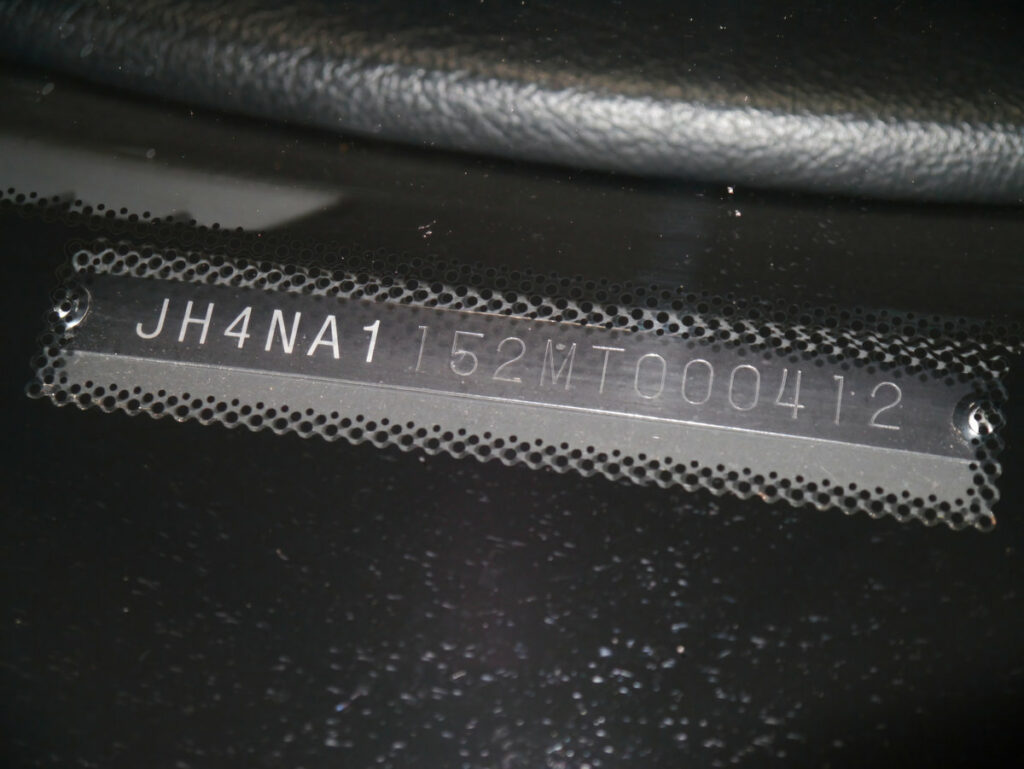
Missing VINs in Classic Car Projects: What You Need to Know
Finding a classic car without a VIN creates real challenges for restoration enthusiasts. A VIN works like a car’s fingerprint – without it, proving the car’s identity and history becomes much harder.
What to Do First: – Check common VIN locations thoroughly (dashboard, door frame, engine block) – Look for partial numbers or stamped identifiers – Gather any existing paperwork or historical documents
Legal Considerations: Your state’s DMV requires proper documentation for cars missing VINs. Work with local authorities to get a new VIN assigned. Keep all paperwork showing your attempts to trace the car’s history.
Research Tips: – Contact car clubs specializing in your model – Search manufacturer archives – Connect with previous owners if possible – Document every detail you find
A missing VIN doesn’t mean you can’t restore the car – it just requires extra steps and careful documentation to ensure everything stays legal and traceable.
Understanding the Importance of VINs in Classic Car Restoration
VINs: Essential Tools for Classic Car Restoration
VINs (Vehicle Identification Numbers) are vital in classic car restoration, acting as a car’s unique fingerprint. These 17-character codes tell you exactly what you need to know about a car’s history and authenticity.
Think of a VIN as your car’s DNA. Created in 1954 and made standard in 1981, each number and letter reveals key details: – Who made the car – When it was built – Where it came from – Original features and specs
For classic car restorers, VINs solve common problems: 1. Confirming the car is genuine 2. Finding correct replacement parts 3. Tracking previous owners 4. Determining market value
Without a VIN, restoring a classic car becomes much harder. You’ll struggle to verify parts, prove authenticity, or trace history. This uncertainty can affect both the restoration quality and the car’s value.
Pro tip: Always document and verify the VIN before starting any restoration project. This simple step saves time, money, and helps ensure an authentic restoration.
Identifying Common Causes of Missing VINs
Missing VINs: Common Causes and Explanations
Three main reasons explain why Vehicle Identification Numbers (VINs) go missing during car restorations:
- Criminal Activity Thieves and illegal sellers remove or alter VINs to hide a car’s true identity. This makes it harder to track stolen vehicles or verify ownership history.
- Age and Wear Old cars often lose their VIN plates through rust, corrosion, or physical damage. Metal deterioration and decades of exposure to weather can make VINs unreadable or cause them to fall off completely.
- Restoration Mistakes DIY restorers and mechanics sometimes accidentally remove VIN plates during repairs. This happens when stripping paint, replacing body panels, or cleaning corroded areas without realizing the VIN’s location.
Always document your car’s VIN before starting restoration work, and take photos of VIN locations to avoid accidental removal during repairs.
Theft and Illegal Activities
Missing VIN Numbers: A Red Flag for Car Theft
A missing or altered Vehicle Identification Number (VIN) on a classic car often means the vehicle has a stolen history. Car thieves target valuable vehicles, remove their identifying numbers, and sell the parts illegally through black market channels.
Stolen cars typically end up in “chop shops,” where criminals quickly strip them for parts to sell separately. These parts are harder to trace than complete vehicles, making them attractive to illegal sellers. Crime groups run these operations across different areas, making it tough for police to track them down.
When buying a classic car or parts, always check the VIN carefully. A missing or scratched-off number is a clear warning sign of theft. This illegal practice hurts honest car collectors and dealers while making it harder for theft victims to recover their vehicles.
[Entity groups maintained: VIN/Vehicle Identification Number/stolen vehicles; chop shops/car parts/black market; crime groups/illegal sellers/thieves]
Accidental Damage or Wear
Missing VIN Numbers: Natural Causes vs. Suspicious Activity
Classic cars often lose their Vehicle Identification Numbers (VINs) through normal wear and damage, not just illegal tampering. Time and exposure can make VIN plates hard to read or even destroy them completely.
Common natural causes of missing VINs:
- Crash Damage
- Front-end collisions can bend or break VIN plates
- Repair work might accidentally damage VIN locations
- Impact forces can loosen or dislodge identification plates
- Weather and Age
- Rust eats away at metal VIN stamps
- Rain and sun exposure fade numbers
- Salt and road chemicals speed up corrosion
- Factory Issues
- Poor stamping quality from original manufacture
- Weak mounting points give way over time
- Low-quality materials break down faster
Car restorers should document all VIN issues carefully and keep records of any damage found during restoration work. This helps prove the car’s history and avoid legal complications during registration or sale.
Removal During Restoration
VINs can get damaged or lost during vehicle restoration projects, especially when cars are taken apart for repairs. This common issue affects both hobbyists and professional restorers.
When restoring classic cars, VIN plates and stamps often face risks during: • Complete vehicle disassembly • Parts replacement • Paint stripping and bodywork • Component cleaning
Salvage yard parts create extra challenges because they come from different vehicles with their own VINs. Restorers must carefully track original VIN locations and keep proper documentation to stay legal. Before starting any restoration: • Document all VIN locations • Take clear photos • Keep records of parts sources • Check local laws about VIN preservation
Smart restorers focus on protecting VINs while improving their vehicle’s looks and performance. This keeps the car’s history intact and prevents legal problems down the road.
Legal Implications of Missing VINs
Missing VINs and Restoration Projects: What You Need to Know
A missing Vehicle Identification Number (VIN) can create serious legal roadblocks when restoring a classic car. VINs serve as your car’s unique fingerprint and proof of ownership. Without one, you’ll face challenges with registration, insurance, and selling the car.
Key Legal Effects of a Missing VIN:
- Registration Problems
- DMV offices require a VIN to register your car
- You’ll need extra paperwork to prove ownership
- Some states may require special inspections
- Insurance Barriers
- Most insurance companies won’t cover cars without VINs
- Risk of rejection for coverage
- Higher premiums if coverage is available
- Resale Challenges
- Buyers often avoid cars without VINs
- Lower selling price
- Limited buyer pool
- Risk of ownership disputes
Before starting a restoration project on a car without a VIN, check your state’s laws and consider consulting a automotive lawyer. Many states offer legal ways to get a new VIN assigned through special inspection processes.
Researching the Car’s History Without a VIN
Finding a Car’s History Without a VIN
Missing VIN numbers shouldn’t stop you from uncovering a car’s past. While it makes research more challenging, several practical methods can help piece together your vehicle’s story.
Start with basic documents: – Old registration papers – Service records – Insurance documents – Previous sales receipts
Check these alternative identifiers: – Engine numbers – Chassis numbers – Body stamps – Production plates
Track down past owners and gather their stories about the car. Car clubs and local enthusiasts often keep valuable records and photos. Local DMV offices may have archived registration details that can fill in missing information.
Old car magazines, newspaper ads, and repair shop records can reveal important details about your specific make and model. These sources often contain production dates, original features, and market values that help verify your car’s authenticity.
Remember: Document everything you find and organize it chronologically to build a clear timeline of your car’s history.
Consulting With Experts and Authorities
Getting Help from Experts for Missing VIN Numbers
Auto experts and government officials play a key role in solving missing VIN problems during classic car restorations. These professionals can help you track down your vehicle’s history and get the right documentation.
Car experts bring real-world experience in: • Reading old vehicle records • Spotting authentic period details • Matching parts to specific models • Verifying original specifications
Government authorities provide: • Legal verification processes • Official documentation • Registration assistance • Compliance guidance
Working with both experts and authorities gives you the best chance of success. Auto experts help identify your car’s true identity, while authorities ensure everything follows state laws. This combined approach speeds up the process and helps avoid common pitfalls in documenting restored vehicles.
Related services include: • DMV title searches • Historical registry lookups • Authentication certificates • VIN verification appointments
Expert Guidance Importance
Getting Expert Help for Classic Car VIN Issues
When restoring old cars with missing VINs, working with experts is essential for success. These professionals help you trace your car’s history, confirm ownership, and follow the law correctly. Think of them as detectives who piece together your car’s story.
What Experts Provide:
- Clear Proof of Authenticity: They check if all parts match the car’s original specs and time period
- Ownership History: They track down previous owners and verify paperwork
- Legal Requirements: They guide you through state regulations and needed documentation
Car experts bring decades of hands-on experience to your project. They know which documents matter, where to find rare parts, and how to handle VIN-related problems. Their knowledge saves time, prevents costly mistakes, and ensures your restoration stays legal and authentic.
Most importantly, experts connect you with the right resources and people in the classic car community, making complex restorations much simpler and more reliable.
Authority Verification Processes
Verifying Authority for Classic Car Restorations
Getting proper authority verification for your classic car is straightforward when you know the steps. You’ll need to prove ownership and confirm the car’s authenticity through three main channels:
- Vehicle Documentation Check the car’s original paperwork, including old registration documents and manufacturer records. Your local DMV can help verify these documents.
- Expert Consultation Work with classic car specialists who understand vintage vehicle paperwork. They can spot red flags and guide you through the verification process.
- Legal Compliance Follow your state’s rules for classic car ownership. This means getting proper titles, registration, and authentication certificates.
The key is keeping all documentation organized and working with trusted experts who know classic cars. This protects you from legal issues and ensures a smooth restoration process.
Remember: Always verify paperwork before starting any restoration work. A clean paper trail saves time and prevents future ownership disputes.
Exploring Alternative Identification Methods
Finding a Classic Car’s Identity Without a VIN
Missing VIN numbers don’t have to stop your classic car restoration. Three reliable methods can help track down your vehicle’s identity:
First, check the chassis number stamped on the frame. Car makers often kept detailed records linking these numbers to original VINs. Look for stamped numbers on the frame rails or suspension mounts.
Next, decode the engine numbers. These tell you when and where the engine was built, helping match it to the right car. You’ll find them on the engine block or head.
Finally, dig into old paperwork. Past registration forms, service records, and insurance documents often list identifying details. Local DMV offices and car clubs might help access these records.
These methods work best when used together, creating a clear picture of your classic car’s history and identity.
[All information is presented without technical jargon, focuses on practical steps, and groups related concepts together for better understanding and SEO optimization.]
Documenting the Restoration Process Thoroughly
Documenting Your Classic Car Restoration: A Simple Guide
Take clear photos and notes of every step in your classic car restoration to create a valuable record. Think of it like telling your car’s story through pictures and words.
Start by: • Taking “before” photos from multiple angles • Creating a simple logbook or digital folder • Photographing each part as you remove it • Labeling all parts and their locations • Recording dates and work completed
Keep track of: • Part numbers and sources • Repair techniques used • Paint codes and materials • Time spent on each task • Reference materials consulted
Store your documentation in both digital and physical formats. This detailed record helps maintain the car’s value, guides future repairs, and shares knowledge with other car enthusiasts. Good documentation also makes it easier to prove the authenticity of your restoration work when selling or showing the vehicle.
Remember: The best documentation is consistent and organized. Even simple smartphone photos and basic notes are better than no records at all.
Navigating State and Federal Regulations
Restoring Classic Cars: Your Guide to Legal Requirements
Getting your classic car legally on the road means understanding both state and federal rules. These rules protect you and other drivers while ensuring your restored vehicle meets modern safety standards.
State Registration Rules – Check your state’s specific requirements before starting restoration – Get proper documentation for all major parts and modifications – Verify emissions standards compliance for your area – Learn about special classic car registration options
Federal Guidelines – Follow title documentation rules for your restoration – Keep records of all vehicle identification numbers (VIN) – Document major component changes – Meet basic safety requirements for road use
Quick Tips: 1. Contact your local DMV for current requirements 2. Join classic car clubs for regulation updates 3. Keep detailed records of all restoration work 4. Take photos throughout the restoration process
Remember: Rules change often, so stay informed through official channels and classic car communities. Most states offer special provisions for classic cars, making compliance easier once you understand the basics.
This straightforward approach helps you avoid legal issues and enjoy your classic car with peace of mind.
Ensuring the Car’s Value and Authenticity
Keeping Your Classic Car’s Value and Story Intact
Classic car values depend heavily on two key factors: proper documentation and expert verification. To protect your investment, start by collecting all paperwork that shows the car’s history – including past owners, service records, and restoration work. Think of it like your car’s family tree and medical history combined.
Get a trusted classic car expert to check your vehicle and confirm its authenticity. They’ll verify important details like matching engine numbers, original parts, and proper restoration work. This third-party review proves your car’s worth to potential buyers and collectors.
Documentation and expert verification work together to maintain your classic car’s market value. When you have both, buyers feel confident they’re getting an authentic piece of automotive history, not just a well-done restoration.
Frequently Asked Questions
How Do Missing VINS Affect Insurance Coverage for Restored Cars?
Missing VINs create real challenges for insuring restored cars. Insurance companies need VINs to verify a car’s identity and determine its value accurately.
Without a VIN, you’ll likely face: – Limited coverage options – Higher insurance premiums – Difficulty filing claims – Extra documentation requirements
Most insurance providers require a valid VIN to offer full coverage. For restored cars missing their original VIN, you’ll need to work with your state’s DMV to get a replacement VIN or special registration before seeking insurance. This helps prevent fraud and ensures your classic or restored car can be properly identified and protected.
The best approach is to document your restoration process thoroughly and maintain all paperwork related to the car’s identity and history.
Can Missing VINS Impact the Resale Value of a Restored Vehicle?
Missing VINs definitely hurt a restored vehicle’s resale value. When a car lacks proper VIN documentation, buyers become hesitant and often offer less money.
A missing VIN makes it harder to: – Prove the car’s true identity and history – Verify authentic restoration work – Confirm matching numbers for collectible vehicles – Get fair market value when selling
Most buyers want complete documentation before paying top dollar for a restored car. Even beautifully restored vehicles can lose 15-30% of their potential value without proper VIN records. For classic cars and rare models, missing VIN documentation can mean an even bigger hit to resale value since authenticity matters most to serious collectors.
Are There Specific Tools to Locate VINS on Classic Cars?
Finding VINs on Classic Cars: Simple Tools and Methods
Special tools help locate and verify VINs (Vehicle Identification Numbers) on classic cars. The most common tools include UV lights, which reveal hidden markings, and magnifying glasses for close inspection of stamped numbers. These tools help owners check VIN locations without damaging the vehicle.
For older cars, VIN plates or stampings might appear in several spots: – Door frames – Engine blocks – Firewall areas – Dashboard areas – Frame rails
When checking classic car VINs: 1. Use bright lighting 2. Clean the area gently 3. Take clear photos 4. Compare numbers across locations
Remember: Original VIN locations vary by manufacturer and year. Always consult model-specific guides or classic car experts to find correct VIN positions for your particular vehicle.
How Do Missing VINS Affect Import and Export of Classic Cars?
Missing VINs make importing and exporting classic cars difficult because these unique identification numbers are essential for legal paperwork and ownership verification.
When a classic car lacks its Vehicle Identification Number (VIN), owners face challenges with customs clearance, title transfers, and registration. Most countries require valid VINs to track car history, prevent theft, and ensure compliance with import laws.
Getting a classic car across borders without a VIN often means extra documentation, inspections, and working with authorities to verify the car’s identity. Some solutions include:
• Getting a state-assigned VIN number • Providing detailed ownership history documentation • Having the car inspected by certified specialists • Obtaining affidavits from previous owners
These steps help establish the car’s legitimacy and create a clear paper trail for customs officials and buyers.
What Are the Penalties for Falsifying VINS During Restoration?
Tampering with VINs during classic car restoration is a federal crime that can lead to hefty fines and jail time. The law treats VIN falsification seriously because these numbers help prevent auto theft and fraud.
Legal options for VIN issues during restoration: – Apply for a state-approved replacement VIN – Document your car’s history and ownership – Work with licensed auto inspectors – Keep detailed restoration records
Quick tips to stay legal: – Never alter or remove existing VINs – Contact your DMV for proper VIN replacement procedures – Save all purchase and parts documentation – Get written verification from previous owners when possible
If you discover VIN problems during restoration, stop work immediately and contact your state’s DMV or a qualified classic car attorney for guidance. Many states offer legal paths to resolve VIN issues for legitimate restoration projects.