
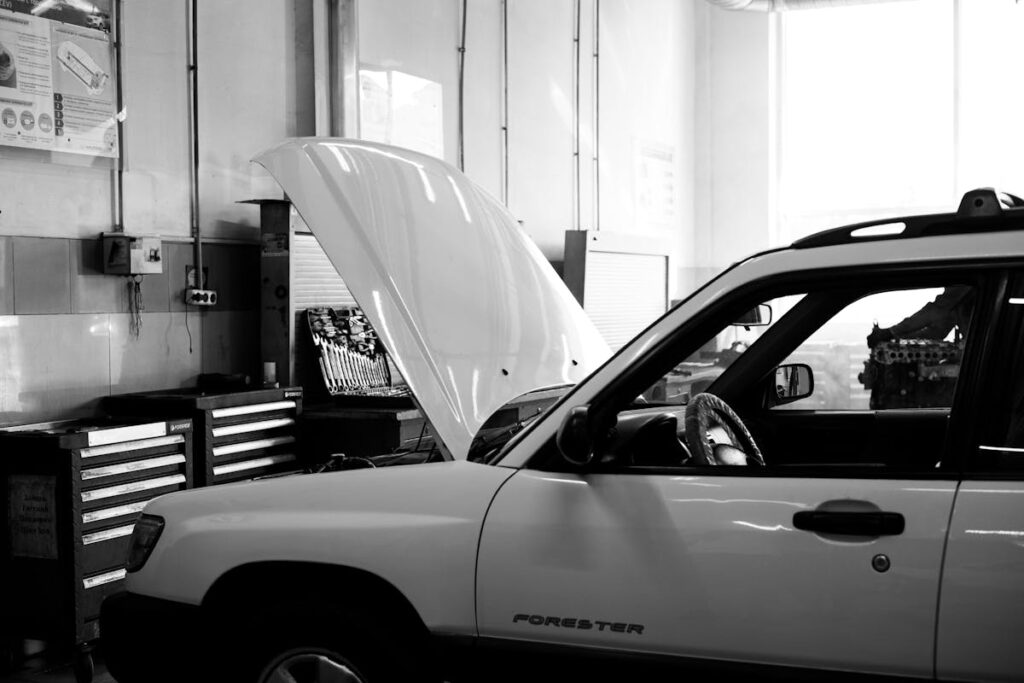
Choosing between DIY and professional classic car restoration comes down to your skills, budget, and time commitment.
DIY Classic Car Restoration: • Saves money on labor costs • Gives you complete control of the project • Builds personal mechanical skills • Takes longer to complete • Requires tools and workspace • Higher risk of mistakes
Professional Classic Car Restoration: • Delivers expert-quality results • Finishes projects faster • Includes warranty protection • Costs significantly more • Less hands-on involvement • Access to specialized tools and knowledge
Before deciding, ask yourself: 1. What’s your mechanical experience? 2. How much can you spend? 3. Do you have time and space to work? 4. Is the car a valuable collector’s item?
For beginners, start with smaller restoration projects or partner with a professional for guidance. Complex jobs like engine rebuilds or bodywork often need expert help. Remember: the car’s value and condition should guide your choice – rare or valuable classics usually benefit from professional restoration.
Understanding the Restoration Process
Classic Car Restoration: A Step-by-Step Guide
Starting a classic car restoration begins with two key steps: setting clear goals and making a realistic timeline. Your goals can be simple, like getting the car running smoothly, or more ambitious, like restoring it to showroom condition.
Planning your timeline helps avoid common restoration pitfalls. Most projects take longer than expected due to hard-to-find parts or surprise repairs, so build in extra time. A six-month project often turns into a year, depending on the car’s condition and your available time.
The restoration process needs careful planning and attention to detail. Focus on: – Documenting the car’s current state – Creating a parts inventory – Setting a realistic budget – Finding reliable suppliers – Planning work in logical stages
Success comes from breaking down the big project into smaller, manageable tasks while staying true to the car’s original design and features. Keep your goals in mind throughout the process to make steady progress toward your dream restoration.
Assessing Your Skill Level and Resources
Before Starting Your Classic Car Restoration
Know your skill level and budget before diving into a classic car project. Take an honest look at what you can do yourself and what you’ll need help with.
Make a simple checklist of: – Basic car repair experience – Tools you already own – Available workspace – Money you can spend – Time you can commit
Common tools needed include wrenches, socket sets, and power tools. Bigger projects might require welding equipment or paint supplies. Set aside extra money for unexpected repairs – restoration projects often reveal hidden problems once you start working.
Not sure about your skills? Start with smaller repairs first. Join a local car club or find an experienced mentor who can guide you. Many classic car enthusiasts enjoy sharing their knowledge with newcomers.
Remember: It’s better to know your limits upfront than to get stuck halfway through a project that’s beyond your abilities or budget.
Evaluating Technical Expertise
Want to Restore a Classic Car? Check Your Skills First
Before starting a classic car project, take an honest look at your abilities and tools. This quick check will save you time, money, and frustration.
Key Skills You Need:
- Basic Car Knowledge: Can you handle routine car maintenance? You’ll need to work with engines, wiring, and car parts. Start with simple tasks like oil changes and brake work before tackling bigger projects.
- Body and Paint Skills: Know how to fix rust spots and dents? Car body repair takes practice. You’ll need skills in metal work and painting to make your classic car look great.
- Tools and Equipment: Own basic car tools? Classic cars need special tools. Make a list of what you have and what you’ll need to buy or borrow.
- Parts and Information: Can you find parts for your car model? Check online forums, local suppliers, and car clubs. You’ll need repair manuals and reliable parts sources.
Not sure about your skills? Start small or team up with experienced restorers. Many classic car owners begin with simple projects and learn as they go. Local car clubs often offer help and advice.
Remember: It’s better to know your limits than to get stuck halfway through a project. Professional help is always an option for tasks beyond your skill level.
Budget and Tool Availability
Two key factors determine your classic car restoration success: your budget and the tools you’ll need.
Money matters first. Restoration costs vary widely depending on your car and its condition. Rare parts cost more, so check part prices before starting. A 1960s Mustang might need $15,000-30,000 for a complete restoration, while rarer models can cost double that amount.
Tools are equally important. Basic restorations require: – Standard mechanic’s tools (wrenches, sockets, screwdrivers) – Engine hoist – Jack stands – Air compressor with pneumatic tools – Paint equipment (if doing bodywork)
Plan your budget and tool purchases before starting. Rent expensive tools when possible, and build your collection gradually. Having the right tools and money ready prevents project delays and frustration. Consider joining a local car club – members often share tools and knowledge, helping reduce costs.
Evaluating the Condition of Your Classic Car
Checking Your Classic Car’s Condition: A Simple Guide
Start with the basics: Look for rust on your car’s body and frame. Rust is your classic car’s biggest enemy and can weaken important structural parts. Check common problem areas like wheel wells, floor pans, and lower body panels.
Next, examine the engine and mechanical parts. Listen for unusual noises, check for oil leaks, and test that all gears shift smoothly. A well-maintained engine and transmission keep your classic car running reliably and help maintain its value.
Finally, inspect the interior details. Look at the seats, carpet, dashboard, and gauges. Original parts in good condition make your classic car more valuable. Make note of torn upholstery, cracked dash panels, or non-working instruments that need repair.
Remember: A thorough inspection helps you spot problems early and plan repairs effectively. Take photos and keep detailed notes of what you find. This information helps track your car’s condition over time and makes maintenance planning easier.
Assessing Vehicle Rust Levels
Rust Assessment: Your Essential Guide to Classic Car Restoration
Checking rust levels properly can make or break your classic car restoration project. A thorough rust check helps you plan better, budget accurately, and choose the right repair methods.
Key Areas to Check:
- Frame Check Look at the car’s skeleton – the frame. Rust here means safety problems. Check the metal carefully, especially where the car carries most weight. Tap suspicious areas with a hammer – solid metal rings, rusted metal sounds dull.
- Body Panels Light surface rust can be fixed with sanding and treatment. Deep rust means you’ll need new panels. Check door bottoms, fenders, and rocker panels first – these trap moisture and rust fastest.
- Underneath the Car Rust in wheel wells, suspension parts, and floor panels causes major safety issues. Look closely where dirt and water collect. A solid undercarriage means a safer, more reliable restoration.
- Hidden Spots Check trunk corners, inside door frames, and where metal overlaps. Water gets trapped in these spots, causing hidden rust that spreads quietly. Use a flashlight and mirror to see hard-to-reach areas.
Good rust assessment prevents costly surprises and ensures your restored classic car is safe and valuable.
Evaluating Mechanical Components
Checking Mechanical Parts in Classic Cars
Start with a complete engine check using basic diagnostic tools to spot common problems. Listen for unusual noises, check for smoke, and test how the engine runs. This tells you if there are issues with compression or timing that need fixing.
Next, examine the transmission and drivetrain. Look for leaks, listen for grinding sounds, and make sure all gears shift smoothly. Check the suspension by testing how the car bounces and handles – worn shocks or bushings will make the ride rough.
Don’t forget the basics: brakes, fuel lines, and wiring often need replacement in old cars. Bad brakes show through squealing or soft pedal feel, while cracked fuel lines and frayed wiring create safety risks.
Testing these parts helps you know exactly what needs fixing to get your classic car running safely and reliably again.
Inspecting Interior Condition
Checking the Interior of a Classic Car
A thorough interior inspection helps you spot problems early and plan your restoration properly. Focus on these key areas:
- Upholstery Check Look closely at the seats for rips, sun damage, and worn spots. Run your hand over leather or fabric surfaces – they should feel smooth and solid, not brittle or cracked. Check seams and stitching for loose threads or separation.
- Dashboard Review The dashboard tells you how well the car was protected from sun and weather. Look for cracks in the plastic or vinyl, faded spots, and warped areas. Check that all gauges and controls work properly.
- Floor Inspection Pull back the floor mats to check carpets underneath. Look for wet spots, rust, or musty smells that signal water damage. Good floors protect your car’s metal and keep passengers comfortable.
- Door Panels and Trim Test all door panels by pressing gently – they should feel solid and well-attached. Look for loose trim pieces, peeling material, or damage around handles and armrests. Original trim parts often need careful restoration to maintain the car’s value.
Time Commitment and Project Timeline
Restoring a Classic Car: Time and Timeline Guide
DIY restoration takes much longer than professional work, often stretching from several months to years. Working on weekends and evenings means slower progress, plus you’ll need time to learn new skills and track down parts.
Professional shops finish faster because they work full-time with experienced teams and established supply networks. They typically deliver completed cars within 6-12 months, following clear project schedules and deadlines.
Key timeline factors: – Your available time (DIY) – Skill level and learning needs – Parts availability – Shop workload (professional) – Car’s condition – Restoration depth
For best results, add 25% extra time to your planned schedule. Car restoration often reveals hidden issues that need fixing. Professional shops build this buffer into their timelines, while DIY restorers should be extra generous with time estimates.
Cost Considerations and Budgeting
Restoring a Classic Car: What It Really Costs
Classic car restoration costs depend mainly on whether you do it yourself or hire professionals. Let’s break down the main expenses you’ll face:
Parts and Materials Original or reproduction parts make up a big chunk of your budget. Rare parts for vintage cars often cost more and can be hard to find. Keep a list of needed parts and research prices before starting.
Labor and Time Investment Professional shops charge $50-150 per hour. DIY saves money but requires your time and basic tools. Set aside extra hours for learning and fixing mistakes if you’re new to restoration.
Storage Space Your car needs a dry, covered area during restoration. A garage or workshop rental adds monthly costs but protects your investment from weather damage.
Hidden Expenses Plan for surprises – most projects uncover hidden rust, worn parts, or mechanical issues. Add 20-30% to your initial budget as a safety buffer.
These costs vary by car model, condition, and restoration goals. Start with a detailed inspection and itemized budget before diving in.
Tools and Equipment Needed for DIY Restoration
Essential Tools for DIY Car Restoration
Starting a classic car restoration requires basic tools and safety equipment to get the job done right. A complete toolkit should include:
Basic Hand Tools: • Socket sets (metric and standard) • Torque wrench • Screwdrivers • Pliers and wrenches
Measuring Tools: • Calipers • Micrometers • Measuring tape
Safety Equipment: • Jack stands • Hydraulic lift (if budget allows) • Safety glasses • Work gloves
Workshop Setup: • Pegboard for tool organization • Tool chest or cabinet • Good lighting • Clean workspace
Specialty Equipment: • Air compressor • Spray gun for painting • Multimeter for electrical work • Circuit tester
Good tools make restoration work safer, faster, and more enjoyable. While professional-grade equipment costs more upfront, it lasts longer and delivers better results. Start with essential tools and add specialty items as needed for specific projects.
Choosing a Professional Restoration Service
Picking the Right Classic Car Restoration Shop
Finding the perfect restoration shop for your classic car comes down to four key factors that protect your investment and ensure quality work.
Expert Knowledge Look for shops that regularly work on your specific car make and model. A Mustang specialist might not be the best choice for your vintage Porsche. Ask to see examples of similar cars they’ve restored and check if they have certified mechanics for your brand.
Location Matters Choose a shop within reasonable driving distance. A nearby location lets you easily check on progress and saves money on transport costs. Most classic car owners find shops within 50 miles work best for regular visits.
Track Record Research the shop’s reputation through customer reviews, social media, and car club recommendations. Ask for references from past clients who had similar restoration work done. Photos of before-and-after projects tell you what quality to expect.
Clear Communication Good shops provide detailed written estimates, regular progress updates, and realistic timelines. They should explain costs upfront and notify you about any unexpected issues or expenses during restoration.
Quick Tips: – Visit the shop in person – Check current projects – Ask about parts sourcing – Get everything in writing – Confirm insurance coverage
Advantages of DIY Restoration
DIY Classic Car Restoration: Key Benefits
Restoring a classic car yourself saves money and creates a rewarding hands-on experience. You’ll learn essential car repair skills by working directly on engines, bodywork, and electrical systems. This practical knowledge helps with future maintenance and repairs.
Finding and buying parts becomes easier as you build connections in the classic car community. You’ll develop valuable skills in negotiating prices and tracking down rare components through online markets, swap meets, and fellow collectors.
Best of all, DIY restoration gives you complete control over your project. You can choose custom paint colors, interior materials, and performance upgrades that match your vision, all while keeping costs lower than professional shop rates.
The direct involvement creates a deeper bond with your classic car, making the final result more meaningful than simply paying someone else to do the work.
Benefits of Professional Restoration
Professional Classic Car Restoration: What You Need to Know
Getting your classic car restored by professionals means better results and fewer headaches. Expert restorers bring years of hands-on experience and valuable connections that most car owners simply don’t have. They know exactly what your vintage car needs and how to get it done right.
Main Benefits: 1. Expert Knowledge: Professionals know classic cars inside and out. They understand how to keep your car authentic while fixing problems most people might miss. 2. Quality Work: Every step is carefully checked and tested, making sure your car runs well and lasts longer. 3. Hard-to-Find Parts: Pro restorers have connections to get rare, original parts that aren’t available to the public. 4. Faster Results: Professional shops work efficiently, saving you time and money by getting the job done right the first time.
Choosing a professional restorer protects your investment and ensures your classic car keeps its historical value. While DIY might seem cheaper at first, professional restoration often costs less in the long run by avoiding expensive mistakes and repairs.
Frequently Asked Questions
What Are the Common Challenges Faced During Classic Car Restoration?
Classic car restoration comes with several common challenges, with finding original parts being the biggest hurdle. Many parts for vintage cars are no longer made, making them hard to track down. Restorers often need to search specialty shops, online marketplaces, and swap meets to find authentic components.
Getting the restoration right takes careful attention to detail and proper techniques. This includes: – Fixing body damage and rust – Rebuilding old engines and mechanical parts – Matching original paint colors – Preserving or recreating interior materials
You don’t need to be an expert mechanic to start restoring classic cars, but having basic mechanical knowledge and patience helps. Many restorers develop their skills over time, learning from experienced professionals and online resources.
How Do Classic Car Restorations Impact Resale Value?
A quality classic car restoration directly affects its resale value. Good restorations boost prices, while poor work can hurt your investment. The key is balancing restoration costs against potential market value.
Before starting any restoration, research what buyers in the classic car market want and expect. Focus on authentic parts, professional-level work, and proper documentation of all repairs. Smart investments target high-demand models and address critical areas like:
- Engine and mechanical systems
- Body and paint condition
- Original interior features
- Historical accuracy
The best restorations maintain the car’s authenticity while fixing safety and reliability issues. This approach typically brings the highest returns when selling to collectors and enthusiasts.
Remember: The right restoration work on the right classic car can double or triple its value, but over-restoration or poor-quality work can actually decrease value.
Are There Specific Classic Car Models Better Suited for DIY Projects?
Classic cars like the Ford Mustang, Chevrolet Camaro, and Volkswagen Beetle make perfect DIY project cars. These models are popular choices because they’re easy to work on and parts are readily available.
The Mustang and Camaro feature simple, straightforward designs that make engine work and repairs manageable for beginners. You can find parts at most auto stores, and there’s a huge online community ready to help with advice. The Beetle offers similar benefits, with its basic air-cooled engine that’s perfect for learning basic mechanics.
These cars combine fun with practicality – you can learn car repair skills while working on a vehicle that’s likely to increase in value over time. Plus, their large aftermarket support means you can customize almost every part to match your vision.
What Are the Environmental Considerations in Classic Car Restoration?
Restoring classic cars requires careful attention to environmental safety and sustainable practices. Using eco-friendly methods not only protects the environment but also creates a safer workspace.
Key environmental steps include: – Safe disposal of toxic materials like old paint, batteries, and fluids – Using water-based or low-VOC paints instead of harmful traditional paints – Choosing recycled or sustainably made replacement parts – Installing modern, fuel-efficient components when possible
Smart restoration practices help protect both the environment and human health. Modern green solutions often work just as well as traditional methods, while creating less waste and fewer harmful emissions. Many auto parts stores and local recycling centers accept old car materials for proper disposal.
How Do You Maintain a Restored Classic Car Long-Term?
Keeping a classic car in top shape requires two main things: smart storage and regular care. Store your car in a clean, dry garage to protect it from weather damage, and stick to a consistent maintenance schedule to keep everything running smoothly.
Store your classic car properly: – Use a climate-controlled garage – Place a protective car cover – Install a dehumidifier to prevent rust – Keep it off concrete with floor mats
Follow these maintenance basics: – Start the engine monthly – Check fluids every season – Clean and wax regularly – Inspect tires and brakes – Change oil on schedule – Address small issues immediately
Regular driving helps too – take your classic car out at least once a month to keep systems working and prevent seals from drying out. This routine care prevents bigger problems and keeps your investment protected for years to come.