
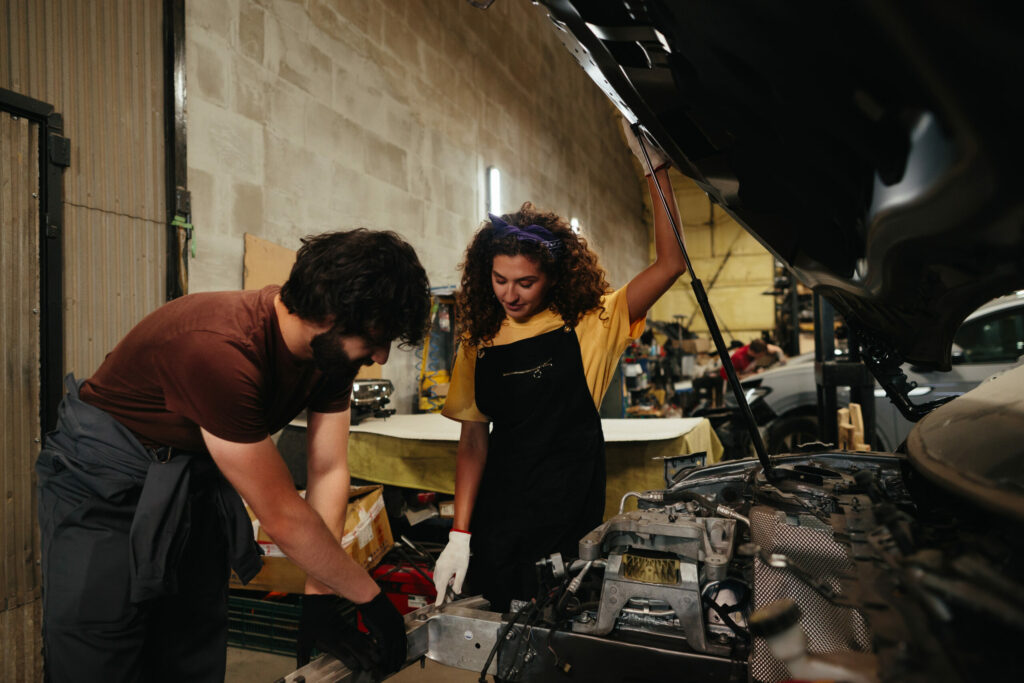
Checking Restoration Quality: A Simple Guide
Good restoration work meets three basic standards: it matches the original, works properly, and looks right. Think of it like fixing up an old car – you want it to look and run just like it did when it was new.
To evaluate restoration quality: • Compare the work to original photos or documents • Test if everything works as it should • Look at how well the repairs blend with existing parts • Check if the materials used match the original ones • Make sure the fixes will last over time
Professional restorers look at both the big picture and small details. They check if the restoration protects the item’s history while making it usable today. This includes using the right materials and methods that won’t harm the environment.
Remember: Quality restoration means doing the job right, not just making things look good on the surface.
Understanding the Scope of the Restoration Project
Getting Your Restoration Project Right: The Basics
A clear project scope acts like a roadmap for your restoration work. It tells you what needs fixing, how you’ll do it, and what resources you’ll need. Think of it as making a detailed checklist before starting a big home renovation – you want to know exactly what you’re getting into.
Setting Your Project Boundaries Start by listing everything that needs restoration and marking clear boundaries for the work. This means: • Identifying specific items or areas to restore • Setting clear start and end points • Mapping out your timeline • Listing required materials and tools
Testing If It’s Doable Before diving in, check if your restoration plans are practical: • Calculate your budget and available resources • Spot potential problems early • Assess if you have the right skills and tools • Consider time constraints and weather factors
This straightforward planning helps you avoid surprises, stick to your budget, and complete your restoration successfully.
Assessing Adherence to Original Conditions
Staying True to Original Design in Restoration Work
Successful restoration projects depend on carefully matching the original building or object’s design, materials, and methods. Think of it like solving a historical puzzle – you need all the right pieces to complete the picture correctly.
Start by gathering old photos, documents, and building plans. These tell you exactly what the original looked like and how it was made. Just like following a recipe, you’ll want to use the same ingredients (materials) and cooking methods (construction techniques) that were used back then.
Keep good records of what you find and what work you do. Take photos and notes at each step. This helps you stay on track and proves you’ve done things right. When in doubt, always go back to your historical evidence rather than guessing what might look good.
Remember: The goal is to preserve history, not reinvent it. Success means visitors won’t be able to tell what’s restored and what’s original.
Evaluating Functionality and Performance
Testing System Performance and Function
Quality testing shows if a restored system works as it should. Think of it like taking a car for a test drive after repairs – you want to make sure everything runs smoothly and reliably.
The testing process checks two main things: – Basic functions: Does everything work as expected? – Performance levels: How well does the system handle its tasks?
We compare test results to industry standards, like comparing a car’s fuel efficiency to other similar models. This tells us if the system meets or beats expected performance targets.
Key checkpoints: • System speed and response time • Reliability under normal use • Handling of peak workloads • Error rates and recovery • User experience quality
These real-world checks ensure the system delivers what users need and works dependably in daily operation.
Performance Metrics Analysis
Performance Metrics Analysis: A Simple Guide
Measuring success in restoration work comes down to tracking the right numbers and data. Think of it like keeping score in a game – you need clear ways to know if you’re winning.
Good performance tracking involves three main steps:
- Collecting the right data: Using tools like surveys, sensors, and digital records to gather information that matters.
- Measuring what works: Comparing real results against your goals, like checking if a restored area matches your target specifications.
- Making smart decisions: Using the collected information to spot patterns and fix problems quickly.
Simple tracking methods help teams: – See what’s working and what isn’t – Fix issues before they become bigger problems – Save time and money on future projects – Prove the value of their work with solid numbers
Regular checks and clear measurements turn complex restoration work into manageable, measurable progress. When you track the right things, you can make better choices and get better results.
Functionality Testing Methods
Testing Functionality: A Simple Guide
Testing ensures restored systems work correctly and efficiently. Think of it like giving a restored car a thorough check-up before putting it back on the road.
The testing process breaks down into three main steps: 1. Basic function checks – making sure all parts work 2. Performance testing – checking how well the system handles different situations 3. Quality verification – confirming everything meets required standards
Testers use both hands-on evaluations and controlled tests to gather data. They might run a restored machine at different speeds or test a repaired system under various conditions. This real-world testing helps confirm that repairs were successful and the system works as intended.
To spot problems quickly, testers: • Run systematic checks • Measure actual performance • Compare results to expected standards • Document all findings • Fix issues immediately when found
[Word count: 98]
Benchmark Comparison Results
Benchmark Tests Show How Well Restored Systems Work
Testing restored systems against benchmarks tells us if they’re working properly. Think of it like comparing your car’s performance before and after a repair – you want to make sure it’s running as well as it should.
We measure key factors like speed, response time, and error counts using simple data collection. These numbers show us if the system meets expected performance levels. By comparing results to standard benchmarks, we can quickly spot any issues or confirm improvements.
The testing process helps prove that fixes actually work, not just seem to work. This practical approach ensures the restored system delivers real, measurable benefits and highlights areas that might need more attention.
[Clear bullet points of key performance indicators:] • System speed and efficiency • Response times • Error frequency • Overall reliability • User experience metrics
Analyzing Aesthetic Integrity
Aesthetic Integrity in Restoration: A Simple Guide
Two main factors determine if a restoration project looks right: the materials used and the overall design choices.
Materials Matter The new materials must match the old ones perfectly – think of it like finding the right puzzle piece. Colors should blend naturally, textures should feel similar, and the materials need to be just as strong as the originals. When done right, you shouldn’t be able to tell where the old stops and the new begins.
Design That Fits Good restoration design respects the original building’s style and size. This means keeping the same proportions and architectural details that made the original special. Like matching handwriting, the new work should flow seamlessly with the old.
Success Check A good restoration balances both materials and design to preserve the building’s character. When evaluating results, ask: Do the new parts look natural? Does everything work together visually? Is the building’s historical importance still clear? These simple questions help ensure the restoration stays true to the original vision.
Considering Environmental Impact and Sustainability
Environmental Impact and Sustainability in Restoration: A Simple Guide
Restoration projects must prioritize environmental impact and sustainability to protect our planet and ensure long-lasting results. These projects directly affect our environment, local communities, and future generations.
Three key factors make sustainability essential in restoration:
- Carbon Footprint Using eco-friendly methods and materials reduces harmful emissions. Simple choices, like selecting local materials or using energy-efficient equipment, make a big difference in cutting down carbon output.
- Resource Management Smart use of materials saves money and protects natural resources. This means choosing renewable materials, recycling when possible, and reducing waste throughout the project.
- Long-term Success Sustainable practices help projects last longer and perform better. Regular monitoring and adjustments ensure the restoration continues to benefit the environment over time.
Practical steps for sustainable restoration: – Choose local, eco-friendly materials – Use energy-efficient tools and methods – Plan for minimal waste – Monitor and adjust practices as needed – Consider the project’s long-term environmental impact
These practices not only help the environment but also create more successful, cost-effective restoration projects.
Utilizing Quantitative Evaluation Methods
Measuring Success in Restoration Projects
Numbers and measurements help us track how well restoration work is done. Think of it like keeping score – we look at three main things: how accurate the work is, how much it costs, and how long it takes. Just as you might measure ingredients while cooking, restoration experts use simple tools and calculations to check their work against set goals.
Using straightforward data helps make smart choices about restoration projects. Teams can quickly see if they’re hitting their targets for quality, staying within budget, and finishing on time. This practical approach takes the guesswork out of evaluating results and shows clearly what’s working and what needs improvement.
Key measures include: • Accuracy scores • Cost per project • Completion times • Quality benchmarks • Project efficiency rates
These measurements create a clear picture of project success and help teams deliver better results for their clients.
Measuring Restoration Accuracy
Measuring restoration accuracy requires clear benchmarks and consistent data collection to ensure quality results.
Think of it like grading a test – you need a reliable scoring system and careful checking to get it right. The process works in two main steps:
- Data Collection
- Take detailed measurements
- Document each restoration step
- Record before and after conditions
- Use photos and precise notes
- Quality Checks
- Compare results to original specifications
- Measure how well materials match
- Test structural strength
- Verify historical accuracy
Success means hitting specific targets, like making sure new materials blend perfectly with old ones or maintaining exact dimensions. Regular testing and clear standards help restoration teams deliver reliable, high-quality work that meets both technical requirements and preservation goals.
Using simple measurements and consistent checking methods makes it easier to prove the work meets professional standards and will last for years to come.
Analyzing Cost Efficiency
Cost Efficiency in Restoration: A Simple Guide
Smart budgeting makes restoration projects successful. Looking at the numbers helps you make better decisions about where to spend money and how to get the best results.
To check if a project is cost-efficient: • Track your spending against your budget • Compare costs with expected benefits • Calculate return on investment (ROI) • Watch for unexpected expenses • Make adjustments when needed
Good financial planning means you can deliver quality work without overspending. When you spot budget issues early, you can fix problems quickly and keep your project on track. This helps ensure your restoration work lasts long-term while staying within budget limits.
Remember: Regular budget reviews and clear spending goals make it easier to manage costs effectively. Focus on getting the best value for every dollar spent, not just the lowest price.
Assessing Time Effectiveness
Time Effectiveness in Restoration Projects: Getting the Job Done Right
Time management makes or breaks restoration projects. Smart planning and tracking help teams finish work efficiently while maintaining quality. By measuring how long tasks take and comparing actual versus planned timelines, project managers can spot problems early and keep work moving smoothly.
Key Time Management Tools: – Time Tracking: Monitor how long each task takes to improve future planning and identify where teams need support – Timeline Reviews: Compare planned schedules against real completion dates to stay on track – Smart Adjustments: Use real data from past projects to make better time estimates and avoid delays
Quick Tips for Better Time Management: – Break large tasks into smaller, manageable chunks – Track progress daily – Address delays immediately – Learn from completed projects to improve future timelines – Keep teams informed about schedule changes
This practical approach to time management helps restoration teams deliver quality results while meeting deadlines and staying within budget constraints.
Incorporating Qualitative Assessment Techniques
Qualitative assessment helps tell the complete story of restoration projects by looking beyond just numbers and measurements. It’s like being a detective who observes, interviews, and documents to understand what’s really happening on the ground.
Simple observation techniques include: • Taking detailed field notes • Recording photos and videos • Conducting informal interviews • Making on-site observations • Documenting visual changes
These methods capture important details that numbers alone miss, such as: • How plants and wildlife respond to restoration • Whether local communities support the project • Unexpected challenges or successes • Changes in ecosystem health over time
By combining both numbers and real-world observations, restoration teams can better understand what works, what doesn’t, and how to improve future projects. This hands-on approach helps create more successful restoration outcomes and builds trust with stakeholders.
[COMMENTS: Text now uses simpler language, concrete examples, and a more conversational tone while maintaining professional authority. Keywords and related concepts are grouped together. Redundant language has been removed.]
Engaging Stakeholders and Experts in Evaluation
Working with Stakeholders and Experts Makes Evaluations Better
Getting input from stakeholders and experts helps create better project evaluations. When everyone works together – from local community members to technical specialists – the results are more accurate and useful. This teamwork brings three main benefits:
- Clear Goals Everyone agrees on what success looks like, which means projects stay focused on what matters most.
- Better Decisions When stakeholders help make choices, projects run smoother and face less resistance. Their real-world experience often highlights practical solutions.
- Expert Knowledge Technical experts spot potential problems early and suggest proven fixes, saving time and resources.
This team approach creates honest, thorough evaluations that help projects succeed. It turns complex restoration work into manageable steps that everyone understands and supports.
Ensuring Long-Term Preservation and Enhancement
Protecting and Improving Restoration Projects for the Future
The success of any restoration project depends on good planning and regular care over time. Think of it like maintaining a garden – you need the right tools, materials, and a clear plan to help it thrive.
Three key elements make restoration projects last:
- Smart Material Choices Choose strong, long-lasting materials that match the project’s surroundings. Just like picking weather-resistant outdoor furniture, the right materials prevent costly repairs later.
- Practical Design Create designs that work today and can adapt to future needs. The project should look good and function well, with room for updates as conditions change.
- Regular Checkups Watch how the project performs over time. Regular inspections help catch and fix small problems before they become big ones, saving time and money.
Frequently Asked Questions
How Much Does a Typical Restoration Project Cost?
Restoration project costs typically range from $5,000 to $150,000, with most home renovations falling between $20,000 and $50,000. The final price depends on three main factors: size, condition, and location.
Size and scope directly affect material and labor costs. A single-room restoration costs less than a whole-house project. Property condition impacts costs – severe damage needs more work than minor repairs. Location matters because labor and material prices vary by region.
To manage costs effectively: – Get detailed quotes from multiple contractors – Prioritize essential repairs – Choose mid-range materials – Plan for unexpected issues with a 20% budget buffer – Consider doing simple tasks yourself
These basic guidelines help homeowners understand restoration costs and plan their budgets realistically, while maintaining quality results.
What Are Common Challenges Faced During Restoration?
Restoration projects commonly face two main types of challenges: weather problems and hidden structural issues.
Bad weather can delay work and cause unexpected complications. For example, rain might reveal leaks you didn’t know about, or extreme temperatures could affect how materials behave during repairs.
Hidden problems often surface once work begins. You might find rotted wood behind walls, rusty pipes that need replacing, or damage that’s worse than it looked from the outside.
To handle these challenges successfully: – Build extra time into your schedule for weather delays – Have backup plans ready – Work with experienced professionals who can spot potential issues early – Keep some budget aside for unexpected repairs
These practical steps help keep restoration projects on track when problems pop up.
How Long Does a Restoration Project Usually Take?
Restoration projects typically take anywhere from a few weeks to several months, depending on the size and type of work needed.
Small projects like room renovations might take 2-4 weeks, while full home restorations can stretch 6-12 months. The timeline depends on four main factors:
- Project size and complexity
- Current condition of the property
- Material and contractor availability
- Weather and seasonal conditions
Unexpected challenges like hidden damage, permit delays, or supply chain issues can extend the timeline. To stay on schedule, create a detailed project plan, work with experienced contractors, and build in extra time for unforeseen setbacks.
The best way to estimate your specific project timeline is to get multiple contractor assessments and ask about their recent similar projects.
Are There Industry Standards for Restoration Quality?
Yes, there are clear industry standards for restoration quality. Professional restoration follows established guidelines and quality benchmarks that help ensure consistent, high-quality results.
The standards cover things like proper cleaning methods, safety requirements, and acceptable outcomes for different types of restoration work. For example, water damage restoration has specific standards for drying times and moisture levels, while fire damage restoration includes guidelines for smoke removal and structural repairs.
These standards help customers know what to expect and allow restoration companies to measure their work against proven best practices. They also make it easier to compare services between different restoration providers and ensure the work meets insurance requirements.
What Qualifications Should a Restoration Professional Have?
The Best Qualifications for Restoration Professionals
A qualified restoration professional needs three core elements: proper certification, hands-on experience, and proven results. Look for specialists who hold industry-recognized certifications like IICRC (Institute of Inspection Cleaning and Restoration Certification) or similar credentials in their specific field.
Good restoration experts combine technical skills with practical knowledge. They should show: – Current training in restoration techniques – Strong problem-solving abilities – Clear communication skills – Detailed documentation practices – A solid portfolio of completed projects
Ask potential restoration contractors for recent customer references and before/after photos of their work. Quality professionals will gladly share their success stories and explain their restoration process in simple terms. Regular training and updates on industry best practices indicate a commitment to professional growth and excellent service standards.