
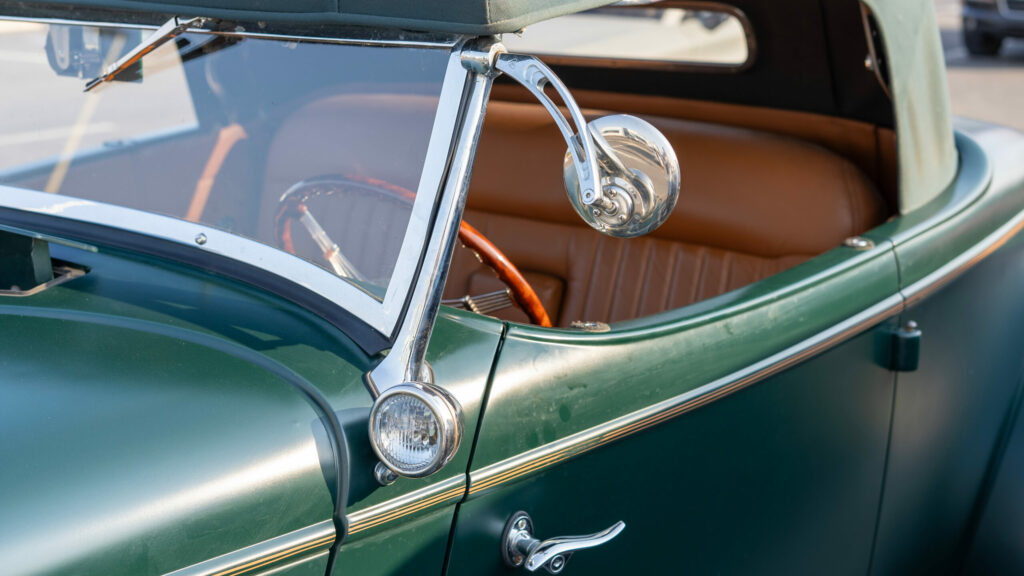
Getting Insurance for Your Classic Car: Quick Guide
Classic car insurance works differently from regular auto coverage. You’ll need a specialized insurer who knows vintage cars and their true value. These companies understand that your restored classic isn’t just transportation—it’s an investment.
Three key steps to insure your classic car: 1. Find an insurance company that focuses on classic cars 2. Document everything about your restoration work and car’s history 3. Get an agreed value policy that locks in your car’s worth
Keep records of: • All restoration receipts • Before and after photos • Expert appraisals • Maintenance history • Original documentation
Most classic car insurers offer better rates than standard auto insurance because vintage cars typically drive fewer miles and receive better care. They’ll want to know: • Where you store the car • How often you drive it • Your driving history • Security measures in place
Contact several classic car insurance specialists to compare coverage options and rates. Make sure your policy covers car shows, special events, and transportation to repair shops.
Understanding the Value of Your Classic Car
Getting Your Classic Car’s True Value
Two main factors determine your classic car’s worth for insurance: mileage and restoration work. Low mileage means better value, plain and simple. A classic car with fewer miles on the clock typically shows less wear and tear, making it more valuable to collectors and insurers alike.
Restoration costs directly affect your car’s value. Keep all receipts and records of: • Parts replaced • Labor costs • Time spent on repairs • Professional work done
Insurance companies look at these details to set the right coverage amount. The better you track these elements, the more accurate your insurance value will be. A well-documented classic car with low mileage and quality restoration work gets the best insurance rates and coverage options.
Remember: A complete paper trail of your car’s history and improvements helps prove its worth when dealing with insurers or potential buyers.
Choosing the Right Insurance Provider
Looking for Classic Car Insurance? Choose the Right Provider
Finding the right insurance for your classic car starts with picking a company that truly understands vintage vehicles. Top classic car insurers offer specialized coverage that regular auto insurance companies don’t provide.
First, check each provider’s track record with classic car owners. Look for companies with strong ratings and positive customer reviews about their claims process. A reliable insurer means faster, hassle-free claims when you need them.
Compare coverage options carefully: • Agreed value coverage (protects your car’s full worth) • Flexible mileage plans • Coverage for car shows and events • Spare parts protection • Roadside assistance for vintage vehicles
Focus on value rather than just price. The best classic car insurance balances comprehensive coverage with reasonable rates, protecting your investment without breaking the bank.
Specialized Insurance Options
Getting Insurance for Your Classic Car
Classic car insurance is different from regular auto insurance because your vintage vehicle needs special protection. Here’s how to get the right coverage:
Find Specialty Insurance Look for insurance companies that focus on classic cars. These providers understand vintage vehicles and offer coverage based on your car’s agreed value, not just its market price. They also cover restoration work and specialty parts.
Know Your Car’s Details Make a list of your car’s special features, rare parts, and custom work. This helps insurers give you accurate coverage and ensures you can repair or replace unique components if needed.
Check Costs and Coverage Compare prices from different classic car insurers. The cheapest option isn’t always best – focus on getting coverage that properly protects your investment. Look for policies that include roadside assistance and special event coverage.
Pick a Flexible Policy Choose insurance that grows with your classic car. Good policies let you adjust coverage as you make improvements or restore your vehicle. Make sure you can update your coverage when needed without hassle.
Provider Reputation Matters
Choosing a Trusted Insurance Provider for Your Classic Car
When insuring your classic car, the insurance company’s reputation directly affects your coverage quality and peace of mind. Look for two main things: financial strength and good customer service.
A financially stable company has the money to pay claims quickly and fully. Check their financial ratings through agencies like A.M. Best or Standard & Poor’s. This tells you if they can protect your investment when you need them.
Customer service quality shows in how they handle questions and claims. Read recent customer reviews and talk to other classic car owners. Good providers respond quickly, understand classic cars, and make the insurance process simple.
Before buying coverage, research the company’s track record. Compare ratings, read reviews, and ask questions. A reliable provider combines financial security with helpful service, giving you confidence that your classic car is properly protected.
Compare Coverage Plans
Getting the Right Coverage for Your Classic Car
Compare different insurance plans carefully to find the best protection for your restored classic car. Focus on these key areas when reviewing policies:
- Coverage Limits: Check how many miles you can drive, where you must store your car, and when you can use it. Most classic car policies limit annual mileage and require garage storage.
- Value Protection: Choose between agreed value (you and insurer set a fixed amount) or stated value (value changes over time). Agreed value typically offers better protection for classic cars.
- Cost vs. Coverage: Make sure premiums match your car’s worth. Lower premiums might mean less protection, while comprehensive coverage costs more but protects your investment better.
- Extra Features: Look for useful add-ons like:
- Roadside assistance for breakdowns
- Coverage for rare or vintage parts
- Show and event coverage
- Transportation protection
Compare at least three different policies to find the best match for your classic car needs.
Evaluating Different Types of Coverage
Choosing the Right Coverage for Your Classic Car
Classic car insurance needs two main types of coverage to fully protect your investment: agreed value and liability coverage.
Agreed value coverage lets you and your insurance company set a specific dollar amount for your classic car’s worth. If your car gets totaled, you’ll receive that exact amount – no haggling or depreciation to worry about. This matters because classic cars often increase in value, unlike regular vehicles.
Liability coverage protects you financially if your classic car is involved in an accident that damages other people or their property. When picking liability limits, consider your assets and how much you can afford to risk. Higher limits cost more but provide better protection against expensive claims.
Keep these coverage types close together in your policy to ensure complete protection for your restored classic car. Regular reviews of both coverage types help maintain adequate protection as your car’s value changes.
Agreed Value Policies
Agreed Value Insurance for Classic Cars
An agreed value policy guarantees you’ll receive a set amount for your classic car if it’s damaged or stolen, based on a value you and your insurer agree on upfront. This protects your investment better than standard auto insurance.
Key Benefits: 1. Fixed Payout: You know exactly what you’ll get in a claim – no haggling or depreciation 2. Custom Coverage: Your policy matches your car’s specific needs and true worth 3. Investment Protection: Safeguards the money you’ve spent on restoration and maintenance 4. Peace of Mind: The value won’t drop over time like with regular car insurance
Smart Add-ons: – Spare parts coverage – Show car protection – Roadside assistance for classics – Storage location protection
These policies work best for carefully restored classics, show cars, and vintage vehicles where standard market value doesn’t reflect the car’s true worth. Your insurance payout stays the same throughout the policy term, protecting your classic car’s real value.
Liability Coverage Options
Liability Coverage Protects You and Your Classic Car
Liability coverage protects you from financial losses if you’re responsible for an accident in your classic car. It covers medical bills for injured people and repairs to damaged property.
Two main types of liability coverage matter for classic cars: – Bodily injury coverage pays for others’ medical expenses – Property damage coverage pays for repairs to others’ vehicles or property
Choose coverage limits that match your needs and budget. While higher limits cost more, they provide better protection against major accidents. Most states require minimum liability coverage, but these minimums might not be enough to protect your assets.
Compare quotes from different insurance companies to find the best rates. Look for insurers who specialize in classic cars – they often understand your unique needs better and may offer better terms.
Agreed Value vs. Stated Value Policies
Insuring Your Classic Car: Agreed Value vs. Stated Value
Agreed value and stated value policies protect your classic car differently. Understanding these differences helps you make the best choice for your investment.
Agreed Value Policies: You and your insurer set a fixed value for your car upfront. If your car gets damaged or stolen, you receive the full agreed amount – no questions asked about market value or depreciation. This gives you certainty about your coverage.
Stated Value Policies: You declare your car’s value, but the insurance company can pay less based on current market prices. The payout might drop if classic car values decline, making this option riskier for valuable restorations.
Key Differences: – Agreed Value: Guaranteed payout matches agreed amount – Stated Value: Payout varies with market conditions – Depreciation: Doesn’t affect agreed value; impacts stated value – Protection Level: Agreed value offers stronger coverage
Most classic car experts recommend agreed value policies for valuable restored vehicles to lock in protection against market changes.
Restrictions and Usage Limitations
Classic Car Insurance: Usage Rules You Need to Know
Classic car insurance comes with specific rules about how and when you can drive your vehicle. Most policies limit driving to special occasions like car shows, weekend cruises, and parades – not daily commuting or errands.
Your insurance company will set yearly mileage limits, usually between 2,500 to 5,000 miles. This helps protect your classic car from excess wear and tear. Going over these limits can void your coverage.
To keep your insurance valid: – Drive only for recreation and special events – Stay within yearly mileage limits – Store your car safely when not in use – Keep maintenance records – Report any changes in usage
Following these rules protects both your classic car and your insurance coverage. Ask your insurer about specific limitations that apply to your policy.
Documentation and Appraisal Requirements
Getting Your Classic Car Insured: Required Documents and Appraisals
To insure your classic car properly, you’ll need specific documents and appraisals. Insurance companies need these items to confirm your car’s value and protect your investment.
Key Requirements:
- Car Documents: Keep all purchase papers, repair bills, and maintenance records in one place. Save every receipt from oil changes to full restorations – they prove your car’s history and care.
- Expert Appraisal: Get your car valued by a certified classic car appraiser. Their report sets your insurance coverage amount and helps if you need to make a claim.
- Clear Photos: Take detailed pictures of your car from all angles. Include close-ups of special features, the engine, and any custom work.
- Title and Registration: Make sure your name is correct on all ownership papers and they match your insurance application.
Having these items ready speeds up the insurance process and helps ensure you get the right coverage for your classic car’s true value.
Discounts and Savings Opportunities
Save Money on Classic Car Insurance
Several straightforward discounts can lower your classic car insurance costs. Insurance companies reward careful owners who: – Drive limited miles each year – Join classic car clubs – Participate in car shows – Install security devices – Maintain a clean driving record
Bundle your classic car policy with home or life insurance to unlock extra savings. You can also choose a higher deductible to reduce monthly payments, but make sure you can afford the out-of-pocket costs if needed. Many owners cut their insurance costs by 15-30% using these simple strategies while keeping full coverage protection.
Remember to ask your insurance agent about specific classic car discounts – companies often create special deals for vintage vehicle owners that aren’t widely advertised.
Comparing Premiums and Deductibles
Getting the Best Value: Premiums and Deductibles for Classic Cars
Smart comparison shopping helps you find the right classic car insurance at the best price. Focus on these key areas to get the coverage you need:
- Check Your Coverage Limits Choose a policy that matches your classic car’s real value. Make sure it covers both the car’s current worth and what it would cost to fix or restore it after damage.
- Shop Around for Premiums Compare rates from different insurance companies that specialize in classic cars. Look for policies that give you complete coverage without unnecessary extras that drive up costs.
- Pick the Right Deductible Your deductible directly affects your premium – a higher deductible means lower monthly payments. Choose an amount you can comfortably pay if you need to make a claim.
- Look at Total Costs Add up yearly premiums plus your deductible to understand your true insurance costs. This helps you avoid surprises and plan your budget better.
Remember: The cheapest policy isn’t always the best value. Focus on finding coverage that protects your investment while fitting your budget.
Regular Policy Reviews and Updates
Regular Policy Reviews Keep Your Classic Car Protected
Checking your classic car insurance policy yearly helps ensure your prized vehicle stays properly protected. Your car’s value can change over time, and your policy should match its current worth.
What to Review: – Coverage limits that match your car’s market value – Agreed value terms and conditions – Usage changes (like driving more miles or attending shows) – New risks or needed protection – Available discounts or better coverage options
Schedule a yearly review with your insurance agent to update your policy. This simple step prevents coverage gaps and helps you find better rates. As classic cars often increase in value, regular updates protect your investment and give you peace of mind that you’re properly covered.
Remember: Your car’s needs change over time. What worked last year might not be the best fit today. Stay proactive with policy reviews to keep your classic car safely insured.
Frequently Asked Questions
What Factors Affect the Insurance Premium for a Restored Classic Car?
Several key factors determine your classic car’s insurance premium. The two biggest factors are the quality of restoration work and the car’s current market value.
Insurance companies look at: – Restoration quality and documentation – Current collector market value – Vehicle age and rarity – Storage conditions and security – Annual mileage and usage – Your driving history and experience
The better maintained and more valuable your classic car, the more it typically costs to insure. However, many insurers offer specialized classic car policies that can be more affordable than standard auto insurance because classic cars are usually driven less and maintained better than daily drivers.
Keep detailed records of all restoration work and store your car in a secure garage to help lower your premium costs.
Are There Mileage Caps for Classic Car Insurance?
Yes, classic car insurance typically comes with mileage limits, usually between 1,000 to 7,500 miles per year. These limits help keep your classic car in good condition and maintain its collector status.
Insurance companies set these mileage caps because classic cars aren’t meant for daily driving. Your policy might allow you to drive your classic car to car shows, weekend cruises, or special events while restricting regular commuting or everyday errands.
Most insurers also look at your driving record and experience before offering coverage. Having a clean driving history and several years of experience behind the wheel makes you a better candidate for classic car insurance and might even help you get better rates.
Can Modifications Impact My Classic Car Insurance Rates?
Yes, modifications will affect your classic car insurance rates. Adding custom parts or making changes to your classic car typically leads to higher insurance premiums.
Insurance companies look closely at any changes you make to your classic car, from engine upgrades to custom paint jobs. These modifications can increase your car’s value and potential repair costs, which means higher insurance rates. Even simple changes like non-standard wheels or upgraded sound systems can impact your premium.
Before modifying your classic car, contact your insurance provider to understand how specific changes will affect your rates. Some modifications may even make it harder to get coverage, while others might qualify for special coverage options designed for custom classic cars.
How Do I Find a Reputable Classic Car Insurance Agent?
Finding a reputable classic car insurance agent starts with getting recommendations from local classic car clubs and fellow collectors. These personal referrals often lead to specialists who truly understand vintage vehicles.
Compare at least three different classic car insurance providers. Look for companies like Hagerty, J.C. Taylor, or American Collectors that focus specifically on classic cars. Check their: – Customer reviews on trusted sites – Years of experience with classic vehicles – Claims handling process – Knowledge of classic car values
Contact each agent directly and ask about: – Agreed value coverage – Flexible mileage plans – Storage requirements – Restoration coverage options
Pick an agent who asks detailed questions about your classic car and explains coverage options in plain language. They should understand collector car values and be willing to visit your garage to properly assess your vehicle’s worth.
Will My Classic Car Policy Cover Spare Parts and Accessories?
Classic car insurance policies often cover spare parts and accessories, but coverage details vary by insurer.
Many policies include protection for original parts, period-correct replacements, and related accessories stored at your home or garage. This coverage helps protect your investment in valuable components like extra engines, wheels, or rare trim pieces.
To ensure your parts are protected: – Check your policy’s personal property coverage limits – Ask if storage location affects coverage – List high-value parts separately if required – Keep detailed records and photos of spare parts – Confirm whether tools and maintenance equipment are included
Contact your insurance provider directly to verify exactly what parts and accessories your specific policy covers. Getting these details in writing prevents surprises when you need to make a claim.