
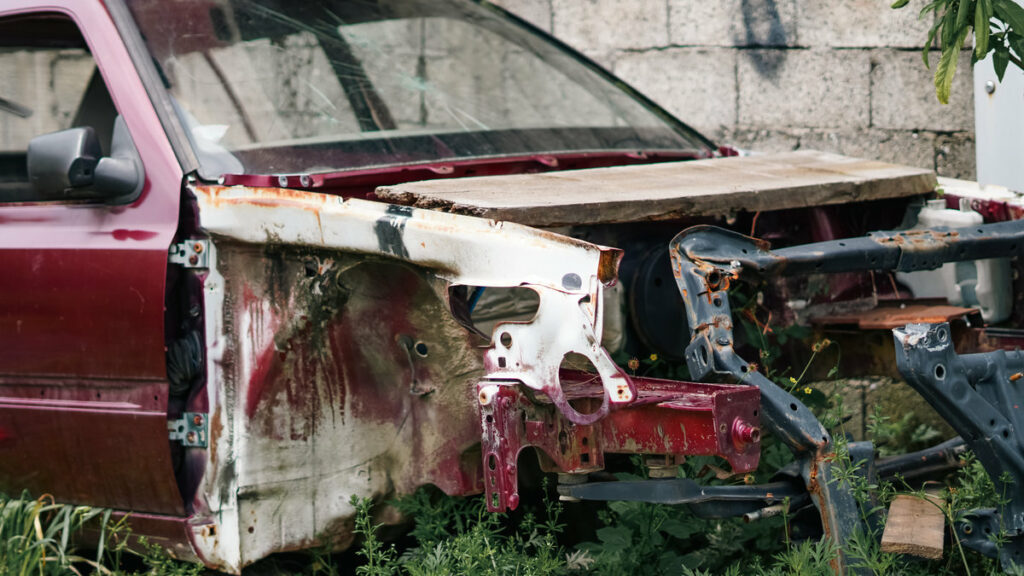
Frame Repair Basics for Classic Cars
Fixing a classic car’s frame starts with a thorough inspection. Look for rust spots, bent sections, and cracks that can weaken the structure. Keep the car’s original blueprints handy to maintain authenticity during repairs.
Tools and Materials Strong welding equipment and rust-resistant metals are must-haves for frame repair. Use alignment tools to keep everything straight and true. Basic tools include: – Metal grinders – Quality welders – Measuring instruments – Rust treatment products
Rust Treatment Steps 1. Remove rust through sandblasting or rust-removing chemicals 2. Clean the metal thoroughly 3. Apply rust inhibitors to prevent future damage 4. Seal with protective coating
Frame repair takes patience and attention to detail, but proper restoration ensures your classic car stays safe and authentic. Focus on small sections at a time, and double-check measurements before making permanent fixes. When done right, frame repairs protect your investment and preserve your car’s historical value.
Assessing Frame Damage and Weaknesses
Checking Frame Damage in Classic Cars: A Simple Guide
Frame damage can make or break a classic car’s safety and value. A thorough inspection helps catch problems early and preserve your car’s worth.
Start by looking for obvious signs of damage: – Rust spots and holes – Bent or twisted metal – Cracked welds – Misaligned parts – Uneven gaps between body panels
Check these key areas: 1. Support points where the frame meets the body 2. Welded joints and connections 3. Areas where water can collect and cause rust 4. Original mounting points for engine and suspension
Use basic tools to spot problems: – Flashlight for dark spots – Magnet to test metal strength – Measuring tape for alignment checks – Mirror for hard-to-see areas
Compare your findings with original car blueprints or manuals when possible. If you spot serious issues, get help from a classic car specialist who knows your specific model.
Regular frame checks protect both your safety and your classic car’s value. Document what you find to track changes over time.
Choosing the Right Tools and Materials
Tools and Materials for Classic Car Frame Repair
Getting the right tools and materials makes all the difference when fixing classic car frames. You’ll need basic tools like a quality welder, angle grinder, and accurate measuring tools to do the job right. Choose tools from reputable brands that will last and give you precise results.
For materials, stick to strong, rust-resistant metals that match what your classic car originally used. This keeps the car safe while maintaining its value and historical accuracy. Quality materials might cost more upfront but prevent future repairs and help preserve your car’s authenticity.
Remember: • Buy professional-grade welding equipment • Use corrosion-resistant metals • Match original frame specifications • Invest in precise measuring tools • Choose period-correct components
This straightforward approach ensures your classic car frame repairs are done right the first time, saving you money and headaches down the road.
Essential Repair Tools
Essential Tools for Classic Car Frame Repair
Basic hand tools make up the foundation of any frame repair job. You’ll need wrenches, pliers, and hammers for precise work on your classic car. These tools help you work carefully on delicate areas while keeping the car’s original character intact.
Power tools speed up the heavy work. An angle grinder cuts and shapes metal, while a power drill makes clean holes where needed. Add a bodywork dolly and metal files to smooth and shape surfaces properly.
The right tools mean better repairs. When you combine hand tools for detail work with power tools for bigger jobs, you can fix frames that stay true to the original design while making them stronger and safer for today’s roads.
High-Quality Material Selection
Choosing the Right Materials for Classic Car Frames
Quality materials make or break a classic car restoration. The right materials protect your car’s value and keep it safe on the road.
Start with the frame’s metal. Classic cars typically use specific types of steel, and matching these original specs matters. Look for steel that resists rust and maintains strength over time. When buying materials, keep these basics in mind: – Match the original steel grade – Check rust resistance – Verify strength ratings – Use correct welding supplies
Get help from classic car clubs or restoration experts to find authentic materials. They often know trusted suppliers and can share tips about which modern materials work best as replacements. Always check old repair manuals or factory specs to ensure your materials match what the manufacturer used.
Remember: Using the right materials now saves time and money later, and keeps your classic car authentic and structurally sound.
Rust Removal and Prevention Techniques
Rust Removal and Prevention for Classic Cars
Getting rid of rust and stopping it from coming back are essential steps in classic car care. Think of rust as car cancer – catching it early saves you time and money.
Removing Rust: • Sandblasting strips away rust quickly and effectively • Chemical removers dissolve rust with less effort • Wire brushes and grinders work well for smaller spots • Rust converters turn rust into a stable, paintable surface
Preventing Future Rust: • Apply rust inhibitors after cleaning • Keep cars in dry, climate-controlled storage • Fix paint chips and scratches immediately • Use protective undercoating in rust-prone areas
For best results, combine both removal and prevention methods. Start with thorough cleaning, remove all rust completely, then apply protection right away. Regular inspections help catch rust early, making removal easier and prevention more effective.
Effective Rust Removal Methods
Rust Removal for Classic Cars: Two Proven Methods
Chemical rust converters offer a simple, effective way to stop rust on classic cars. Just apply the converter directly to rusted spots, and it turns harmful rust into a stable black coating that protects the metal. This method works best for small rust patches and doesn’t require heavy equipment or special skills.
Sandblasting tackles larger rust problems by using pressurized sand or other abrasives to strip away rust completely. While more aggressive than chemical treatment, sandblasting cleans metal surfaces down to bare steel, creating the perfect foundation for new protective coatings. This method requires professional help to avoid damaging the car’s metal structure.
Key Benefits: – Chemical converters: Easy to use, precise, good for spot treatment – Sandblasting: Complete rust removal, ideal for large areas, professional results
Choose chemical converters for small rust spots or sandblasting for major rust issues. Both methods protect your classic car’s frame and help maintain its value.
Long-Lasting Rust Prevention
Rust Prevention for Classic Cars
Protect your classic car from rust with these simple but effective steps. Regular rust prevention keeps your car’s frame strong and maintains its value over time.
Surface Prep Clean the metal completely before starting any treatment. Use a wire brush and sandpaper to remove old rust, dirt, and grime. A clean surface helps treatments work better and last longer.
Rust-Fighting Products Apply rust inhibitors directly to bare metal. These products create a protective shield that stops rust from forming. Choose products specifically made for classic cars.
Protective Layers Cover treated areas with rust-resistant primer, followed by quality automotive paint. This double-layer system keeps moisture away from the metal and prevents new rust.
Check Often Look for rust spots every few months, focusing on areas where water collects. Quick action on small rust spots prevents bigger problems later. Pay special attention to wheel wells, floor pans, and frame rails.
Best Tools for Rust Removal
The Best Tools to Remove Rust
Chemical rust removers and mechanical tools are the two main ways to tackle rust on classic cars. Each method works best for different situations.
Chemical removers use acids to dissolve rust and work great in hard-to-reach spots. These liquids seep into corners and crevices where tools can’t reach, making them perfect for detailed work on car frames. Popular options include phosphoric acid and hydrochloric acid-based solutions.
Mechanical tools like wire brushes, sanders, and grinders remove rust through physical scraping and grinding. These tools work best on flat, open surfaces where you need to clear large rusty areas quickly. Most car restorers use both methods together – chemicals for tight spots and tools for bigger areas – to completely remove rust and protect their classic cars.
Welding and Repairing Frame Cracks
Fixing Frame Cracks: A Guide for Classic Car Owners
Frame welding keeps classic cars safe and roadworthy by fixing dangerous cracks that can compromise safety. Finding and fixing these cracks quickly helps prevent bigger problems down the road.
Essential Steps to Fix Frame Cracks: 1. Find the Cracks: Look for rust spots, paint chips, or uneven surfaces that might hide cracks 2. Choose Your Welding Method: MIG welding works best for most car frames, while TIG welding suits thinner metals 3. Clean and Prep: Remove paint, rust, and dirt around the crack for a strong bond 4. Weld Properly: Make sure the weld goes deep into the metal for lasting strength
Safety Tips: – Check the whole frame area, not just visible cracks – Use proper safety gear (welding mask, gloves, fire-resistant clothing) – Work in a well-ventilated space – Consider hiring a pro for complex repairs
Pro Tip: Take pictures before and during repairs to track progress and maintain your car’s value. Quality repairs using correct materials protect both safety and collector value.
Remember: Good frame repairs mean a safer, more valuable classic car that stays true to its original design.
Reinforcing Frame With Additional Supports
Reinforcing a classic car’s frame with additional supports strengthens weak points and prevents future damage. This critical step comes after welding any existing cracks.
Start by adding metal supports to high-stress areas where the frame needs extra strength. Common reinforcement points include: – Engine mount areas – Suspension attachment points – Areas where cross members meet the main frame rails
Modern reinforcement methods use strong, lightweight alloys that provide better support than old-school steel plates. Place supports strategically to spread weight evenly across the frame. This prevents stress concentration in any single area.
The key is balancing strength with originality. Good reinforcement work makes the car safer and more durable while keeping its classic look intact. Always match new supports to the frame’s original design and structure.
Aligning and Straightening the Frame
Straightening and Aligning Classic Car Frames: A Guide
Getting a classic car’s frame straight and strong protects both its structure and its history. A properly aligned frame keeps the car safe while maintaining its original character.
First Steps Check the entire frame for bends, twists, or damage. Look for uneven gaps between body panels and doors that don’t close properly – these often signal frame problems.
Tools and Methods Modern frame straightening equipment makes the job more accurate and reliable: – Hydraulic frame machines pull and push the frame back into shape – Laser measuring tools ensure perfect alignment – Digital systems compare measurements to factory specs
Getting It Right Line up each part of the frame to match the car’s original measurements. Check and adjust until: – All mounting points line up correctly – Body panels fit properly – Wheels track straight
Record Keeping Write down all measurements and changes made. Take photos before and after. These records help: – Track the restoration process – Guide future repairs – Maintain the car’s historical value
Protecting the Frame With Coatings and Sealants
Protecting your classic car’s frame starts with proper coatings and sealants that fight rust and damage. Modern protective products work much better than the basic paints used on older cars.
Start by applying a high-quality protective coating to shield the metal frame from rust and weather damage. These coatings create a strong barrier that keeps moisture away from the metal surface. Choose products specifically designed for classic car frames, as they offer the best protection.
Next, seal all frame joints where sections of metal meet. These spots often trap water and start rusting first. Use a waterproof sealant that’s made for automotive use and apply it carefully to every joint and seam. This creates a water-tight seal that keeps moisture out.
Regular checks and maintenance of these protective layers help your classic car’s frame stay strong and rust-free for years to come. Touch up any damaged areas quickly to maintain continuous protection.
Ensuring Proper Suspension and Mounting
Proper suspension and mounting keep classic cars safe, stable, and true to their original design. These systems directly affect how your car handles and how long it will last.
Think of suspension like your car’s foundation – it needs to be right for everything else to work well. When suspension and mounting are correct:
- The car’s weight spreads evenly across all four wheels, preventing extra wear on one side
- The frame stays protected from harsh road impacts
- Original parts work together as they were designed to
- The car handles better and feels safer to drive
Key points for maintaining proper suspension:
- Check rubber bushings and mounts regularly for wear
- Keep suspension components aligned to factory specs
- Replace worn parts with period-correct alternatives
- Test weight distribution on all four corners
Good suspension preserves both your classic car’s value and driving experience. Regular checks and maintenance prevent costly frame damage and ensure safe operation on modern roads.
Regular Maintenance and Inspection Practices
Regular Inspections Keep Classic Cars Safe and Original
Regular checkups are key to maintaining your classic car’s value and safety. A thorough inspection every few months helps catch small problems before they become major headaches.
Start with the car’s frame and underside. Look for rust spots, cracks, or parts that don’t line up properly. Pay special attention to areas where water might collect, as these spots often rust first.
When fixing issues, use parts and methods that match your car’s original era. This keeps your classic authentic while ensuring it’s safe to drive. For example, if you find rust on chrome bumpers, repair them with period-correct materials rather than modern alternatives.
Quick inspection checklist: – Check frame corners for rust – Look for cracks in metal joints – Test suspension movement – Examine floor panels – Inspect wheel wells
These simple checks help preserve your classic car’s history and keep it roadworthy for years to come.
Frequently Asked Questions
How Do Classic Car Frames Differ From Modern Car Frames?
Classic and modern car frames differ mainly in their materials and design. Classic cars use heavy, thick steel for their frames, making them sturdy but weighty. Modern cars use lighter materials like aluminum alloys and high-strength steel, which save fuel while maintaining safety.
The big change comes down to how they’re made. Classic car frames were built simply – often with basic welding and bolting techniques. Today’s car frames use advanced manufacturing methods that create stronger, lighter structures through precision engineering and computer-designed safety zones.
This shift from heavy steel to smart materials shows how car design has evolved to balance strength, safety, and fuel efficiency. Modern frames protect passengers better while using less material than their classic counterparts.
What Are Common Signs of Frame Damage in Classic Cars?
Warning Signs of Frame Damage in Classic Cars
Rusty spots, uneven gaps between body panels, and unusual tire wear patterns signal frame damage in classic cars. When a car’s frame is damaged, you’ll notice doors that don’t close properly, crooked body lines, or a car that seems to “crab walk” down the road. Rust is especially dangerous because it eats away at the metal frame, making it weak and unsafe.
Look for these key signs: – Visible rust patches or bubbling paint – Doors and windows that stick or won’t close – Uneven spaces between body panels – Tires wearing down on one side – Car pulling to one side while driving
Check these areas carefully, as frame damage affects both safety and value. Old cars are more prone to frame issues due to their age and original build methods.
Can Frame Repairs Affect the Car’s Original Value?
Yes, frame repairs definitely affect a car’s value. A repaired frame typically lowers a vehicle’s resale value, even when the work is done professionally.
Most buyers prefer cars with original, undamaged frames because: – They indicate the car hasn’t been in serious accidents – Original frames maintain the car’s structural integrity – Unrepaired frames are especially important for classic or collector cars
The impact on value depends on: – Quality of the repair work – Documentation of repairs – Age and type of vehicle – Severity of original damage
For classic cars, any frame modification can reduce value by 20-50%, while modern vehicles might see a smaller decrease if repairs are properly documented and certified.
Is It Possible to DIY Frame Repair Without Professional Help?
DIY frame repair is possible but risky without expert knowledge. While you can handle minor repairs yourself, major structural work needs professional expertise.
Basic frame repairs you can try: – Inspecting for damage and rust – Cleaning and treating surface rust – Reinforcing small cracks – Applying protective coatings
Don’t attempt these repairs yourself: – Welding structural components – Fixing bent or twisted frames – Repairing collision damage – Installing frame replacements
Before starting any DIY frame repair: 1. Get the right tools and safety equipment 2. Research your specific frame type 3. Document the original frame setup 4. Check local regulations about frame modifications
Remember: If you’re unsure about any repair step, stop and consult a professional. A poorly repaired frame can compromise your safety and vehicle stability.
What Are the Risks of Driving With a Damaged Frame?
Driving with a damaged frame is extremely dangerous and puts both you and others at risk on the road. A damaged frame weakens your car’s main support structure, much like a cracked foundation in a house.
The biggest risks include: • Poor handling and alignment • Uneven tire wear • Increased chance of serious injury in crashes • Possible complete frame failure while driving • Higher repair costs if left unaddressed
Damaged frames can’t properly protect you during accidents because they no longer absorb and distribute impact forces as designed. Even minor collisions become more dangerous when your car’s frame isn’t structurally sound.
If you suspect frame damage, get your car inspected immediately by a qualified mechanic. The cost of repairs is far less than the potential consequences of driving an unsafe vehicle.