
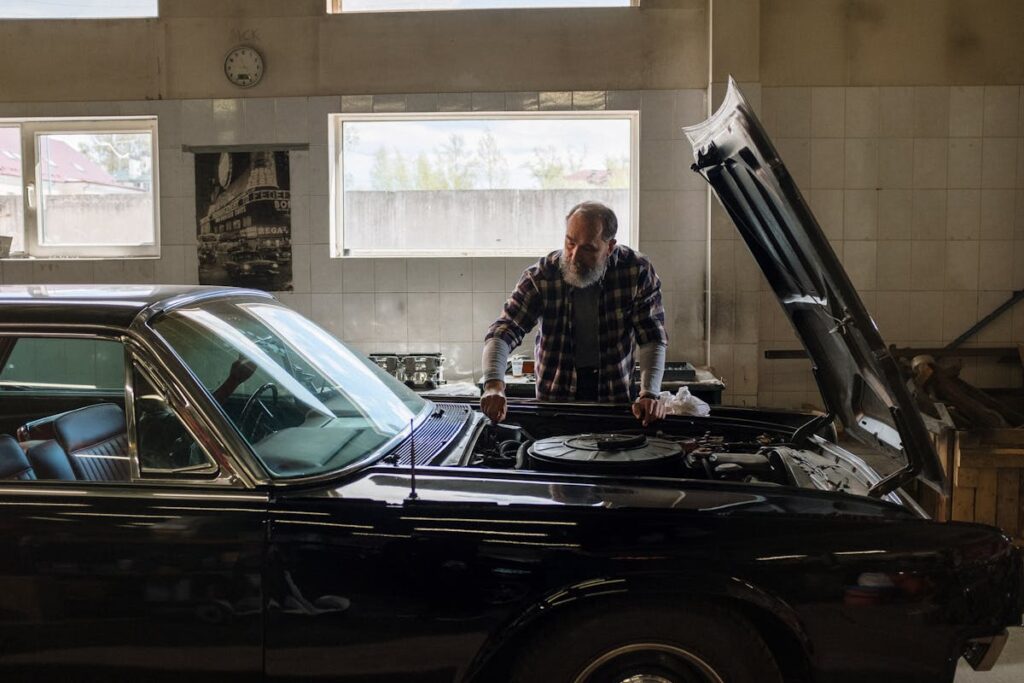
Restoring a Barn Find: Essential Steps
Bringing an old car back to life starts with smart planning and basic mechanical knowledge. Before buying a barn find, check these key areas:
- Initial Assessment Check the car’s overall condition, focusing on rust damage, missing parts, and engine status. Take photos and make detailed notes of what needs fixing.
- Research and Value Look up the car’s model history and current market prices. This helps set a realistic budget and determines if restoration makes financial sense.
- Repair Priority Start with structural repairs and rust removal first. Move to mechanical systems like brakes and engine next. Save cosmetic work for last.
- Parts Hunting Make a list of needed parts. Search online marketplaces, join car clubs, and connect with specialty suppliers who stock vintage components.
- Timeline and Budget Plan for twice the time and money you initially estimate. Most barn find projects take longer and cost more than expected.
Remember: Take lots of pictures during disassembly – they’ll help guide reassembly later. Keep all parts organized and labeled in clear containers.
Evaluating the Potential of Your Barn Find
Finding a Classic Car in a Barn? Here’s How to Check Its Value
Checking a barn find’s potential starts with a simple top-to-bottom inspection. Look for these key areas:
Structure and Body • Check the frame for rust spots and holes • Examine body panels for damage and corrosion • Look at door gaps and panel alignment • Test floor panels for weakness
Engine and Parts • Turn the engine by hand if possible • Check for missing components • Look for oil leaks or damaged hoses • Inspect transmission condition
Interior Condition • Check seat and carpet damage • Test dashboard controls • Look for water damage signs • Note missing trim pieces
The goal is to understand what you’re dealing with before starting restoration. A thorough inspection helps estimate repair costs and decide if the project is worth your time and money. Remember: rust repair and missing parts often cost more than mechanical fixes.
Understanding the Historical and Market Value
Know Your Car’s Worth: History and Market Value
Before starting any barn find restoration, understanding what your car is worth makes all the difference. A car’s history and market value help you make smart decisions about time and money investments.
Historical Value Look at what makes your car special in automotive history. Was it a groundbreaking model? Did it have unique features for its time? These details can make your car more valuable and interesting to collectors.
Market Research Check what similar cars are selling for at auctions and online marketplaces. Look at both restored and unrestored examples to understand your car’s potential value. Recent sales tell you what buyers are willing to pay right now.
Proving History Get the car’s paperwork and ownership records in order. Original documents, service history, and photos add value and trust. Buyers pay more for cars with a clear, documented past.
These three steps help you avoid overspending on restoration while maximizing your car’s future value. Focus on cars with strong historical connections and good market demand for the best return on investment.
Creating a Restoration Plan and Budget
A successful restoration plan starts with a thorough vehicle inspection and smart budgeting. Let’s break it down into clear steps.
First, assess your vehicle’s condition carefully. Look for rust spots, mechanical problems, worn parts, and original features you want to keep. Take photos and make detailed notes – this creates your restoration roadmap.
Next, build your budget. Research costs for: – Parts and materials – Professional labor (if needed) – Tools and equipment – Paint and finishing work – Extra funds for unexpected issues (add 15-20%)
Focus on critical repairs first: 1. Safety components (brakes, steering, suspension) 2. Structural repairs (frame, body panels) 3. Engine and transmission work 4. Interior and cosmetic updates
This approach keeps your project organized and helps prevent cost overruns. Regular progress checks against your plan ensure you stay on track and within budget.
Assess Vehicle Condition
Checking a Barn Find’s Condition
A careful check of your barn find car tells you exactly what work it needs and helps you plan costs. Start by gathering any old paperwork like repair records and title documents to understand the car’s story.
Walk around the car and look closely at: – Body panels for rust spots and damage – Frame rails and structural parts – Engine, transmission, and other mechanical parts – Interior condition and missing pieces
Take clear photos and notes about everything you find. Use basic tools like a flashlight, magnet (for finding body filler), and inspection mirror to check hard-to-see areas. Mark down small details – even tiny rust spots or worn parts matter when planning repairs.
Key steps: – Get all available paperwork and history – Check the whole car thoroughly – Take detailed notes and photos – Use simple inspection tools – Record every problem you find
This careful first look saves time and money by showing exactly what your project needs.
Estimate Restoration Costs
How to Estimate Classic Car Restoration Costs
Start with a clear budget plan by breaking down costs into two main areas: labor and parts. Labor typically makes up the biggest expense, so get quotes from qualified mechanics and restoration specialists first.
Parts costs come next – make a detailed list of everything you’ll need, from engine components to interior materials. Search online marketplaces, restoration catalogs, and local suppliers to compare prices. Remember that rare or vintage parts often cost more than modern replacements.
Add these numbers together, then include a 15-20% buffer for unexpected issues. This gives you a realistic budget target for your restoration project. Keep track of prices in a spreadsheet and update it regularly as you find better deals or discover additional needed parts.
Your final estimate should cover: – Labor hours and rates – All necessary parts – Tools and equipment – Paint and materials – Storage costs – Emergency fund buffer
Prioritize Essential Repairs
Smart Repair Planning for Your Classic Car
Start with the most important repairs to keep your classic car safe and sturdy. A quick inspection helps you spot what needs fixing first, saving time and money in the long run.
Focus on these must-fix areas:
Safety First – Check the frame and body for rust or damage – Test all brakes and replace worn parts – Inspect electrical systems for fire risks
Why These Matter The frame keeps your car together, brakes keep you safe, and good wiring prevents fires. Fix these before moving on to cosmetic work or upgrades.
Quick Check List 1. Look for rusty spots and holes in the frame 2. Press the brake pedal – it should feel firm 3. Check for cracked or exposed wires
These basic repairs create a solid foundation for your restoration project, ensuring your classic car is safe to work on and eventually drive.
Identifying and Sourcing Rare Parts
Finding Rare Parts for Classic Car Restoration
Finding the right parts makes or breaks a classic car restoration project. Start by researching your car’s exact make, model, and year to know which parts you need. Keep a detailed list of part numbers and specifications handy.
Check these reliable sources for rare parts: – Online classic car forums and marketplaces – Local swap meets and car shows – Specialty vintage parts dealers – Classic car clubs and collector networks – Salvage yards that focus on older vehicles
Verify part authenticity before buying. Look for matching part numbers, correct manufacturing dates, and original markings. Take photos of the parts you need and share them with experts in online communities.
Remember: Original parts are best for value, but quality reproductions can work well for hard-to-find items. Build relationships with trusted sellers and other collectors – they often know where to find rare components.
Tackling Rust and Corrosion Issues
Rust and Corrosion: First Steps for Car Restoration
Checking for rust damage is the first and most important task when restoring an old car. Walk around the vehicle and look carefully at common rust spots – wheel wells, floor pans, and door bottoms. Tap suspicious areas with a small hammer – a solid sound means good metal, while a dull thud suggests rust damage underneath.
Treatment options range from simple to advanced: • Wire brushing and sanding for surface rust • Chemical rust converters for moderate damage • Sandblasting for severe cases • Full panel replacement when metal is too far gone
Choose your rust removal method based on damage severity and your skill level. Surface rust needs basic tools and patience, while deep rust requires professional help or specialized equipment. Always wear safety gear and work in a well-ventilated area when treating rust.
Identifying Rust Severity
Finding Rust on Old Cars: A Simple Guide
Checking rust damage on a barn find car is straightforward when you know what to look for. Start with a basic walk-around to spot obvious rust patches, then dig deeper into problem areas. Rust often shows up first in wheel wells, floor pans, and where water collects.
Quick Steps to Check Rust: 1. Look closely at rust spots – if they’re flaking or bubbling, that’s serious 2. Press firmly around rusty areas – if the metal feels soft or crumbles, it’s badly damaged 3. Tap suspicious spots with a hammer – a hollow sound means trouble underneath 4. Check key areas like frame rails and support points – structural rust needs expert repair
Red Flags to Watch For: – Brown bubbles in paint – Rust holes or flaking metal – Soft spots in floors or trunk – Rusty joints where parts meet
These basic checks help you understand if the car needs minor fixes or major restoration work. When in doubt, get a professional inspection before buying or starting repairs.
Effective Corrosion Treatments
Rust Treatment for Classic Cars: Essential Guide
Protecting vintage cars from rust requires simple but effective treatments that work. The first step is checking how bad the rust damage is before choosing the right solution.
Chemical dips are perfect for hard-to-reach spots. Just soak rusty parts in special cleaning solutions that break down corrosion, especially in areas where sanders and wire brushes can’t reach. These treatments work well on detailed parts like ornate trim pieces or engine components.
Protective coatings create a barrier that stops rust from spreading and prevents new rust from forming. These coatings change the metal’s surface to resist corrosion, much like a shield. For best results, apply chemical dips first, then add protective coatings to keep rust away long-term.
This two-step approach – removing rust and adding protection – gives classic cars the best defense against corrosion damage.
Rebuilding the Engine and Transmission
Rebuilding an old engine and transmission starts with a simple parts check to see what needs fixing or replacing. Think of it like giving your car a thorough health checkup before starting treatment.
The rebuilding process breaks down into three main steps:
- Check everything carefully: Look for damaged or worn parts, just like spotting problems in your car during a regular inspection
- Use the right tools: A good measuring tool kit helps get everything lined up perfectly
- Pick quality replacement parts: Choose parts that fit well and last long, similar to buying name-brand parts for repairs
For the engine, focus on cleaning and measuring key parts like pistons, bearings, and valves. The transmission needs special attention to gears and shifting components to run smoothly again.
Start small and work systematically – this turns an overwhelming job into manageable tasks that restore your car’s heart to perfect working order.
Restoring the Interior and Upholstery
Restoring a Classic Car’s Interior: A Step-by-Step Guide
The interior restoration of a vintage car starts with basic cleaning and care, just like taking care of your everyday vehicle. First, clean all surfaces with the right products – leather cleaner for seats, vinyl cleaner for dashboards, and fabric cleaner for carpets and headliners.
When reupholstering seats, choose materials that match the car’s era while offering modern durability. Quality leather or period-correct fabric makes a big difference in both looks and comfort. Take photos of the original patterns before starting – you’ll need these as reference guides.
The key to success lies in patience and attention to detail. Match original stitching patterns, use correct padding thickness, and ensure all panels line up perfectly. A well-restored interior not only looks great but also increases your classic car’s value and makes it more enjoyable to drive.
Painting and Exterior Finishing Techniques
Getting Your Car’s Paint Job Right
A perfect paint job makes your car look brand new and protects its exterior. The right techniques and preparation make all the difference between an amateur and professional finish.
Choosing Your Color: Look up your car’s original factory paint code or pick a modern color that matches your style. Most paint shops have color samples you can see in different lights before deciding.
Paint Steps That Work: 1. Clean the surface completely 2. Sand until smooth 3. Apply primer evenly 4. Spray base coat in thin layers 5. Add clear coat for shine 6. Wet sand for smoothness
Important Tips: – Use quality spray equipment for even coverage – Work in a dust-free area – Apply paint in steady, overlapping strokes – Let each layer dry fully – Polish after final coating
These basic steps help create a lasting, professional-looking finish that protects your car and keeps it looking great.
Navigating Legal and Documentation Challenges
Legal Steps for Your Barn Find Car
Getting the right paperwork is just as important as fixing up your barn find car. Start by checking the car’s VIN number – it’s like the car’s fingerprint that proves it’s real. This number needs to match any old paperwork you have.
Make sure no one else can claim ownership of the car. Look for: – Outstanding loans – Previous theft reports – Old ownership papers
Keep good records of everything you do: 1. Take photos before starting work 2. Save all repair receipts 3. Document each restoration step 4. Get written proof of purchase
If you can’t find the original title, you might need a bonded title – think of it as a special insurance policy that proves you own the car. A car lawyer can help make this process easier and protect your investment.
Remember: Good paperwork makes your restored car more valuable and easier to sell later.
Frequently Asked Questions
How Do I Transport a Barn Find Safely to My Workshop?
Safely transporting a barn find starts with the right trailer for your vehicle’s size and weight. Choose a flatbed or enclosed trailer based on your car’s condition and the weather during transport.
Before moving: – Take photos to document the car’s condition – Remove or secure loose parts – Cover vulnerable areas with protective materials – Check tire pressure for safe loading – Use proper tie-down points
During transport: – Drive slowly, especially over bumps – Avoid sudden stops and sharp turns – Check straps regularly during long trips – Keep the car covered if using an open trailer
Loading tips: – Use sturdy ramps or a trailer with a low angle – Get help from experienced people – Place wooden blocks behind wheels – Double-check all securing points
This careful approach prevents damage and ensures your barn find arrives safely at your workshop.
What Tools Are Essential for Restoring a Barn Find?
Essential tools for restoring a barn find include both basic hand tools and specialized equipment. You’ll need:
Basic Tools: – Socket and wrench sets (both metric and standard) – Wire brushes and scrapers for rust removal – Power tools (drill, angle grinder, sander) – Basic diagnostic tools (multimeter, compression tester)
Storage and Organization: – Clean, dry workspace – Tool chest or organized storage system – Parts bins and labels – Project documentation supplies
Support Equipment: – Quality jack stands and floor jack – Good lighting setup – Battery charger – Safety equipment (gloves, goggles, respirator)
Beyond tools, successful barn find restoration depends on: – Reliable parts suppliers – Detailed service manuals – Photo documentation system – Safe cleaning supplies – Rust treatment products
Keep tools organized and protected from moisture to maintain their condition throughout your restoration project.
How Can I Connect With Other Barn Find Restoration Enthusiasts?
Meeting Other Barn Find Enthusiasts: A Quick Guide
The best way to connect with fellow barn find restorers is through car clubs and online communities. Join local auto clubs, attend car shows, and sign up for popular restoration websites like BarnFinds.com or TheSamba.com.
Local Connections: – Visit classic car meetups in your area – Check community bulletin boards at auto parts stores – Attend swap meets and vintage car auctions – Network at local restoration shops
Online Resources: – Facebook groups dedicated to barn finds – Reddit communities like r/barnfinds – Instagram hashtags: #barnfind #carrestoration – YouTube restoration channels
Extra Tips: Start a social media account to document your projects Share photos of your finds and restorations Ask questions in forums when you need help Offer your own knowledge to help others
These connections often lead to parts sharing, restoration tips, and sometimes even leads on undiscovered barn finds in your area.
What Are the Best Practices for Documenting the Restoration Process?
Documenting restoration work requires two main elements: photos and written records. Take clear pictures before starting, during key steps, and after completing each phase. Keep a simple log that notes dates, materials used, and specific techniques applied.
Photos should capture: – Overall views and close-ups of damaged areas – Step-by-step progress shots – Final results from multiple angles
Written records should include: – Start and completion dates – Materials and products used – Problems encountered and solutions – Important measurements and specifications – Repair techniques and methods – Time spent on each task
Store all documentation digitally and in print, organizing files by project phase and date. This creates a valuable reference for future work and helps track the restoration’s success over time.
How Can I Estimate the Time Required for a Complete Restoration?
Calculating restoration time depends on three main factors: your car’s current condition, how easily you can get parts, and the work needed.
A basic project timeline looks like this: – Initial assessment: 1-2 days – Parts sourcing: 2-8 weeks – Body work and paint: 3-6 months – Mechanical repairs: 2-4 months – Interior work: 1-3 months
Your budget directly affects timing – having funds ready for parts and labor keeps the project moving. Unexpected repairs or hard-to-find components can extend these timeframes. For accurate planning, get a professional inspection and create a detailed work list before starting. This helps avoid delays and gives you a realistic completion date.