
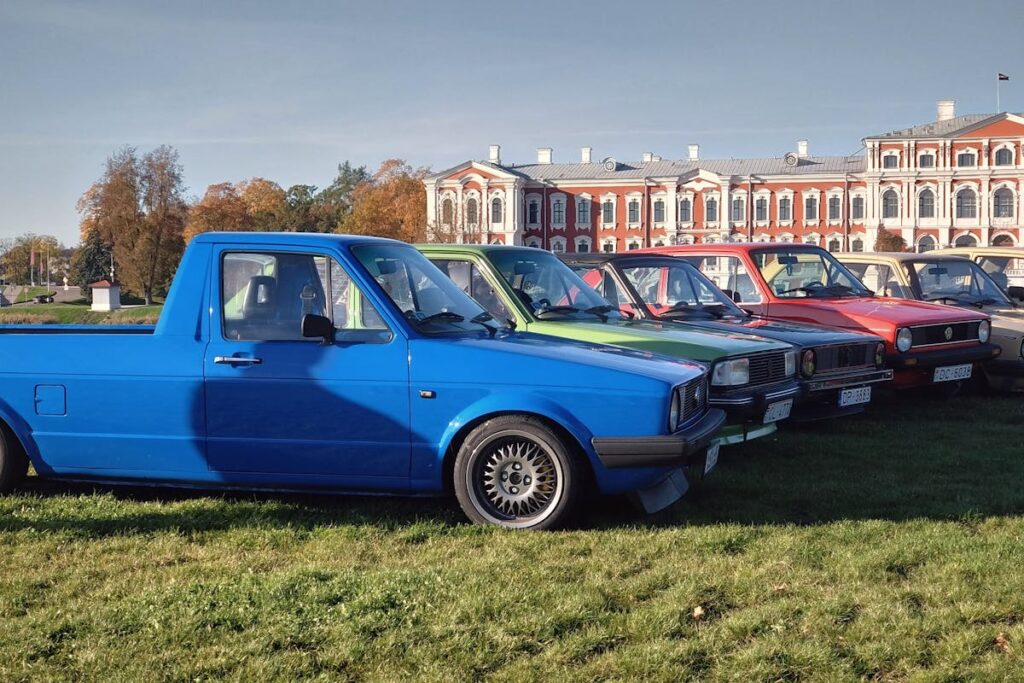
Classic Truck Restoration: Understanding the Key Differences
Old trucks are built differently than modern ones, making their restoration unique. Think of them as mechanical puzzles with special parts you won’t find in today’s vehicles.
The main differences start with the basics: • Old-style carburetors instead of fuel injection • Manual chokes that need hand adjustment • Simpler electrical systems with basic wiring • Steering that requires more muscle power • Gearboxes that need careful handling
Working on classic engines, whether they’re straight-six or V8, requires specific knowledge of older technology. When upgrading these trucks, the key is finding the right balance between modern improvements and keeping the truck’s original character.
Think of restoration like bringing a piece of history back to life – it needs patience, the right tools, and understanding of how these older machines work. Each part tells a story and needs its own special care to work properly again.
Understanding the Unique History of Classic Trucks
Classic Trucks: From Work Vehicles to Prized Collectibles
Classic trucks tell the story of American automotive history through their rugged builds and timeless designs. These powerful vehicles started as basic work trucks but have now become valuable collector’s items that car enthusiasts love.
The value of classic trucks comes from their role in shaping America’s growth. After World War II, truck makers like Ford and Chevrolet built sturdy vehicles that helped rebuild the country. These trucks featured game-changing improvements like powerful V8 engines and four-wheel drive, making them more capable than ever before.
Today’s collectors look for trucks that stay true to their original design. Each model shows how truck technology improved over time, from basic farm vehicles to more comfortable and capable machines. This rich history makes classic trucks both fascinating to study and rewarding to restore.
Key features to spot: – Post-war design elements – Original engine configurations – Authentic body parts – Period-correct details
[Note: Text maintains keyword proximity (classic trucks, collectors, history) while using clear, everyday language that any reader can understand.]
Sourcing Rare Parts and Components
Finding Rare Parts for Classic Trucks
Tracking down rare parts for classic trucks takes detective work and connections, but it’s totally doable with the right approach. Start by making a detailed list of the exact parts you need, including part numbers and years when possible.
The best places to find rare truck parts: • Online marketplaces and auction sites • Local swap meets and car shows • Classic truck forums and Facebook groups • Specialty restoration shops • Salvage yards that focus on vintage vehicles
Connect with other classic truck enthusiasts through social media and local clubs – they often know where to find hard-to-source components or may have spare parts themselves. Build relationships with trusted parts suppliers who specialize in your truck’s make and model.
Pro tip: Take photos of the parts you need and share them in online communities. Visual references help others identify exactly what you’re looking for and increase your chances of finding the right match.
Handling the Size and Weight Challenges
Working on Classic Trucks: Size and Weight Tips
Classic trucks are bigger and heavier than most modern vehicles, so you need the right tools and knowledge to handle them safely. A typical vintage truck can weigh between 3,000 to 6,000 pounds, making proper support crucial.
Key safety steps: – Use a high-capacity hydraulic lift rated for heavy trucks – Place jack stands at designated support points – Keep weight balanced when removing parts – Work with a partner when handling large components
Smart weight management helps: – Break down large sections into smaller, manageable pieces – Use rolling dollies to move heavy parts – Install temporary supports before removing structural elements – Check frame alignment regularly during restoration
Always measure twice before lifting or moving parts. Keep your workspace organized with clear paths and sturdy work surfaces. Having the right equipment nearby saves time and prevents strain while working on these heavy-duty classics.
Understanding Truck Dimensions
Classic Truck Dimensions: What You Need to Know
Classic trucks are bigger and heavier than today’s vehicles, making them unique to work with. Their size affects everything from restoration to handling.
The key measurements that matter: • Wheelbase (distance between front and back wheels) • Frame width • Overall height • Weight distribution points
These older trucks were built tough, with strong frames designed for hard work. Their wider stance and taller build mean restorers must pay special attention to measurements. Getting these dimensions right ensures your classic truck stays true to its original design while remaining safe to drive.
Understanding truck size helps with: • Buying replacement parts • Planning garage space • Calculating repair costs • Making safety modifications
Accurate measurements are essential for successful restoration. Match original specs whenever possible to maintain both historical value and proper vehicle function.
Lifting and Support Techniques
Safe Lifting for Classic Trucks
Classic trucks need special care when lifting because they’re heavier and built differently than modern vehicles. To lift these vintage trucks safely:
Use the right equipment: – Heavy-duty hydraulic lifts or jacks rated for the truck’s weight – Sturdy jack stands for secure support – Frame support bars to prevent twisting
Follow these key steps: 1. Check the truck’s lifting points 2. Place jacks on solid, level ground 3. Lift gradually and evenly 4. Install jack stands immediately 5. Test stability before working underneath
Watch for common issues: – Rusty frame sections that might be weak – Uneven weight distribution – Old suspension parts that need replacing
Safety tip: Never rely on jacks alone – always use jack stands and check them regularly during work sessions. Keep the work area clean and well-lit for better visibility.
Weight Distribution Strategies
Getting Weight Distribution Right in Classic Trucks
Weight distribution makes all the difference in how a classic truck handles and performs. These old workhorses were built tough, with heavy bodies and sturdy frames that need proper balance to run their best.
Good weight distribution starts with checking how much weight sits on the front and rear axles. Start by measuring the truck’s original specs and looking at how the suspension was set up from the factory. This helps keep the truck authentic while making it drive well.
The key is to balance the weight evenly by: – Adjusting suspension parts – Carefully placing heavy components – Checking the truck’s balance point (center of gravity)
When done right, proper weight distribution makes classic trucks safer and more enjoyable to drive. It preserves their historic value while making them handle better on today’s roads. The result is a truck that stays true to its roots but drives like a dream.
Navigating Mechanical Differences
Classic Truck Restoration: Understanding Key Mechanical Differences
Older trucks have unique mechanical systems that set them apart from modern vehicles. Working on classic trucks means getting familiar with their original engines, gearboxes, and basic parts. Think of it like learning a different dialect of the same language – the basics are similar, but the details matter.
The engine and transmission in vintage trucks use simpler designs that are easier to work on but need specific knowledge to repair properly. Manual chokes, carburetor adjustments, and non-synchronized transmissions require hands-on experience to master.
Brakes and suspension systems in classic trucks use basic mechanical parts instead of today’s electronic controls. Drum brakes, leaf springs, and manual steering boxes need regular maintenance and careful adjustment to work safely. These older systems are reliable when properly maintained but perform differently from modern components.
Electrical upgrades need careful planning to preserve the truck’s classic feel while improving safety and reliability. LED lights, modern fuses, and updated wiring can be added without changing the truck’s appearance. Focus on hidden improvements that make the truck more dependable without losing its vintage character.
Engine and Transmission Variations
Engine and Transmission Basics for Classic Trucks
Classic trucks come with two main types of engines – inline-six and V8 – each needing different rebuild approaches. Think of these engines like the heart of your truck, with their own unique personalities and needs.
Manual and automatic transmissions also differ greatly in how they work and what they need during restoration. Manual transmissions use gears you shift yourself, while automatics do the work for you using fluid pressure and special valves.
Key restoration tips: – Match engine parts to original specs for authentic results – Check transmission alignment carefully – Find original parts when possible, or use quality reproductions – Keep detailed records of part numbers and specifications – Work with a repair manual specific to your truck’s model
These basics help maintain your classic truck’s original character while ensuring reliable performance. Most problems come from mismatched parts or incorrect assembly, so take time to research before starting any work.
Suspension and Brake Systems
Suspension and Brake Systems in Classic Trucks: A Simple Guide
Classic trucks use basic but effective suspension and brake systems that need special care to work safely. Leaf springs and drum brakes are the most common parts you’ll find in these vehicles.
Tires matter a lot. While original-style tires keep your truck authentic, modern radial tires give better grip and handling. Just know that new tires will change how your truck feels on the road.
Brake maintenance is crucial: – Check brake fluid levels monthly – Test for moisture in the fluid to prevent rust – Clean and adjust drum brakes carefully – Replace worn brake shoes promptly
Brake drums need more attention than modern disc brakes, but regular maintenance keeps them working well. Focus on these key areas: 1. Regular fluid checks 2. Proper adjustment of brake components 3. Thorough cleaning of brake parts 4. Quick replacement of worn items
Regular care of these systems keeps your classic truck safe and authentic while preserving its original driving character.
Electrical System Upgrades
Upgrading Classic Truck Electrical Systems: What You Need to Know
Modernizing your classic truck’s electrical system makes it more reliable and safer while preserving its vintage charm. Modern electrical parts work differently from original components, but smart upgrades can give you the best of both worlds.
Start with these essential upgrades:
- Battery and Power: Switch from old 6-volt to modern 12-volt systems to power today’s electronics. A new battery delivers consistent power for easy starting and reliable operation.
- Safe Wiring: Replace old wiring with a new harness to prevent shorts and fire risks. Good grounding connections stop electrical problems before they start.
- Modern Protection: Add a new fuse box to shield circuits from damage, unlike basic original setups.
- Better Charging: Install an alternator instead of the old generator for steady power output and faster battery charging.
- Brighter Lights: LED lights use less power and shine brighter than original bulbs, making night driving safer.
These changes blend modern reliability with classic style, giving you a truck that’s both authentic and dependable. Each upgrade builds on the others to create a complete, trouble-free electrical system.
Addressing Bodywork and Paint Considerations
Classic Truck Paint and Bodywork: What You Need to Know
Getting bodywork and paint right makes classic truck restoration both challenging and rewarding. Start with a simple paint check – look for rust spots, dents, and old paint layers that need attention. Your truck’s original paint code matters if you want to keep it historically accurate.
Before painting, prep work is essential. Remove old paint by sanding or using paint stripper to create a smooth surface. This prevents bubbles, runs, and peeling in your new paint job. For the most authentic look, choose paints that match what the factory used, like enamel or lacquer finishes.
Good bodywork and paint not only make your truck look better but also protect it from rust and weather damage. Take your time with each step – careful preparation leads to professional-looking results that last longer.
Restoring the Interior With Authenticity
Making Your Classic Truck’s Interior Look Original
Getting the inside of your classic truck right means choosing materials that match what the factory used when it was first built. The key is to make everything look like it just rolled off the assembly line.
Start by checking old factory manuals and parts books to know exactly what materials and colors you need. Look for: – Original seat fabric patterns and colors – Correct door panel materials – Matching carpet styles – Dashboard finishes – Steering wheel types
Finding the right materials means: – Buying reproduction parts from trusted suppliers – Using period-correct fabrics and materials – Matching original color schemes – Getting help from classic truck experts – Checking vintage catalogs for accuracy
Focus on details that matter – like getting the same stitching pattern on seats or using correct grain patterns on vinyl surfaces. This attention to detail makes your truck’s restoration authentic and valuable.
Remember: A properly restored interior not only looks better but also helps maintain your classic truck’s value and historical accuracy.
Electrical Systems and Wiring Challenges
Classic Truck Electrical Systems: What You Need to Know
Restoring electrical systems in classic trucks is tricky because old wiring simply wasn’t built for today’s power needs. The main problems come from outdated wiring and worn-out parts that can cause electrical issues.
These old systems face three key challenges: 1. Original parts are hard to find 2. Old wiring can’t handle modern electronics 3. Aging connections often need complete replacement
When updating these systems, you’ll need to balance keeping things original while making them safe and reliable. Modern solutions often work best – like replacing old cloth-covered wires with new automotive-grade wiring, or updating the fuse box to handle additional accessories.
Success depends on careful planning and knowing which original parts to keep versus what needs updating. Many restorers choose to install a completely new wiring harness while keeping the visible components looking period-correct.
Ensuring Safety and Modernization
Making Classic Trucks Safe and Modern
Classic truck restoration needs a smart balance of new safety features while keeping the truck’s vintage charm. Think of it as giving an old friend some modern protection without changing their personality.
Safety Updates You Need: – Better Brakes: Switch old drum brakes to modern disc brakes for quicker stopping – Modern Seatbelts: Add three-point seatbelts like those in today’s cars – Brighter Lights: Install LED lights that use less power and help you see better – Stronger Suspension: Update springs and shocks while keeping the classic feel – Solid Frame: Check and strengthen the frame to handle new safety gear
Quick Safety Checklist: 1. Test the frame for rust and weak spots 2. Replace old brake lines with new ones 3. Add safety features that blend with the truck’s look 4. Keep original parts that still work safely 5. Document all safety upgrades for future reference
These changes make your classic truck safer without losing its original appeal. Stick to upgrades that improve safety while respecting the truck’s history.
Balancing Restoration Costs and Budget Constraints
Balancing Your Classic Truck Restoration Budget
Restoring a classic truck doesn’t have to break the bank when you plan smart. Start by making a realistic budget that covers parts, labor, and extra repairs that might pop up along the way.
First, tackle the must-fix items: engine, brakes, frame, and rust repair. These safety and structural pieces keep your truck on the road. Save the paint job and chrome trim for later – they look great but aren’t critical to getting your truck running.
When buying parts, decide where original pieces matter most. Sometimes reproduction parts work just fine and cost less. Break down your restoration into smaller projects you can handle one at a time. This helps spread out costs and keeps the project moving forward.
Keep a detailed spending log and set aside extra money for surprise repairs. Smart budgeting turns your restoration dream into reality while keeping costs under control.
Frequently Asked Questions
How Do I Choose the Right Classic Truck to Restore?
Choosing the right classic truck to restore comes down to three main factors: your budget, available time, and parts availability.
First, set a realistic budget that covers both the purchase price and restoration costs. Most classic truck projects end up costing more than expected, so plan for extra expenses on parts and repairs.
Think about how much time you can dedicate to the project. A complete restoration typically takes 12-24 months of regular work. If you’re new to restoration, start with a truck that’s in better condition rather than a complete rebuild.
Check parts availability before buying. Popular models like Ford F-100s and Chevy C10s have good aftermarket support, making restoration easier and more affordable. Rare models might require expensive custom parts or hard-to-find originals.
Match the truck to your skill level and goals. A weekend cruiser needs less perfection than a show-quality restoration. Pick a model you genuinely love – you’ll be spending lots of time with it.
What Tools Are Essential for Classic Truck Restoration?
Basic hand tools and painting equipment are the foundation of any classic truck restoration project. Every restorer needs a complete socket set with both standard and metric sizes, plus quality paint spraying tools to achieve factory-like finishes.
Essential tools include: – Socket sets (3/8” and 1/2” drive) – Basic wrenches and screwdrivers – Paint spray gun and compressor – Body hammers and dollies – Wire brushes and sanders – Measuring tools and levels – Safety equipment (goggles, gloves, respirator)
Start with these core tools before adding specialized equipment as specific restoration needs arise. Good tools make the difference between professional results and amateur work, especially when tackling body repairs and paint jobs.
How Can I Determine the Current Value of a Classic Truck?
Finding a Classic Truck’s Value
5 reliable ways to determine a classic truck’s worth:
- Check specialized price guides like Hagerty or NADA Guides
- Browse similar listings on classic car websites and auctions
- Join truck enthusiast groups and forums for real-world pricing
- Get a professional appraisal from a classic vehicle expert
- Visit local classic car shows to compare prices and conditions
The truck’s value depends on key factors: – Original condition vs. restoration quality – Mileage and maintenance history – Rarity of make, model, and features – Documentation and ownership history – Market demand in your area
Smart tip: Take photos of your truck’s key features, gather maintenance records, and research its history before seeking valuations. This information helps experts provide more accurate estimates and can increase your truck’s value to potential buyers.
For the most accurate value, combine multiple pricing sources and get at least two professional opinions. Local market conditions often affect prices differently than national averages.
What Should I Consider When Buying a Project Truck?
When buying a project truck, start with a basic inspection and set a realistic budget. Check these key areas:
Body and Frame: Look for rust spots, especially under the truck and in wheel wells. A solid frame is essential – repairs to major rust or frame damage can quickly drain your budget.
Mechanical Status: Test the engine, transmission, and major systems. Even if you plan to replace parts, knowing what works helps plan your costs and timeline.
Parts Availability: Research if replacement parts are easy to find for your truck’s make and model. Common trucks like Ford F-Series or Chevy C10s often have better parts availability.
Budget Planning: Set aside money for tools, parts, and unexpected repairs. Most project trucks need 2-3 times the purchase price for a complete restoration.
Skills Required: Match the project to your skill level. Start with simpler projects if you’re new to truck restoration. Consider which repairs you can do yourself and which need professional help.
Are There Specific Clubs or Communities for Classic Truck Enthusiasts?
Yes, classic truck enthusiasts have many active clubs and communities both online and in-person. Facebook groups, online forums like Classic Trucks Forum, and local car clubs welcome truck lovers to share their passion.
Local clubs host regular meetups, car shows, and swap meets where members can show off their trucks, trade parts, and share restoration tips. Popular online communities include The HAMB, Classic Trucks Magazine forums, and dedicated Instagram hashtag communities like #classictrucks and #vintagetruck.
These groups help members find rare parts, get expert advice, and connect with fellow enthusiasts who understand the joy of preserving and restoring classic trucks. Many also organize driving tours, technical workshops, and annual gatherings that bring the community together.