
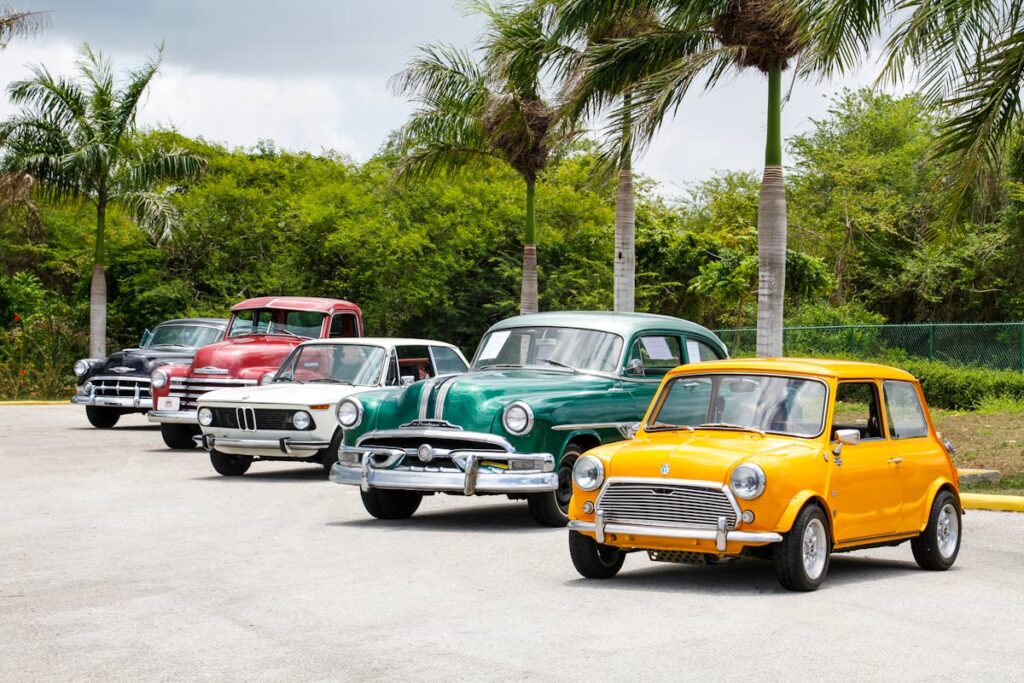
Restoring Classic Imported Cars: What You Need to Know
Bringing an old foreign car back to life comes with unique challenges that every restorer should understand. These challenges fall into three main areas: paperwork, parts, and technical know-how.
Import paperwork can be tricky. You’ll need to deal with customs forms, vehicle registration, and safety compliance documents. Many countries have strict rules about importing old cars, so check these requirements before starting your project.
Finding parts is often the biggest hurdle. Original components for foreign classics aren’t sitting on local auto shop shelves. You’ll need to build a network of international suppliers, join owner clubs, and sometimes get parts custom-made.
Working on foreign cars means dealing with unfamiliar mechanics. Old European or Asian vehicles often use different measurement systems and unique repair methods. Keep the original service manual handy, and consider finding a mechanic who specializes in your car’s make.
Balancing modern upgrades with historical accuracy creates another challenge. While adding modern safety features or conveniences might be tempting, these changes can affect the car’s value and authenticity.
Navigating International Import Regulations
Importing Classic Cars: A Simple Guide to International Regulations
Getting a classic car from overseas starts with understanding basic import rules and costs. Each step requires careful planning but isn’t as complicated as it might seem.
Import costs depend on three main factors: – Where the car comes from – How old it is – What it’s worth
Key documents you’ll need: – Bill of lading – Vehicle title – Import declaration forms – Safety certificates
Tips for smooth importing: 1. Check your country’s import taxes before buying 2. Get exact shipping costs upfront 3. Find a reliable customs broker 4. Keep all paperwork organized
Most countries require proof that the car meets local safety and emissions standards. Connect with local classic car clubs – they often have members who’ve gone through the import process and can share helpful advice.
Remember: Import costs can add 10-30% to your car’s purchase price, so factor this into your budget from the start.
Sourcing Rare and Original Parts
Finding Parts for Classic Cars
Locating original parts for classic cars takes patience and know-how. Most collectors start with trusted specialty shops and online marketplaces that focus on vintage car components. These sources often stock rare parts or can help track them down.
Key steps to find authentic parts: – Join online classic car forums and communities – Connect with experienced mechanics who specialize in your car’s make – Check part numbers and manufacturer markings carefully – Ask for documentation that proves the part’s authenticity – Build relationships with reliable suppliers who understand vintage cars
Quality matters more than speed when sourcing classic car parts. Work with dealers who provide clear histories and guarantees for their components. Many collectors keep a list of trusted suppliers and share recommendations within the classic car community.
Remember: Original parts might cost more, but they maintain your car’s value and historical accuracy. When original parts aren’t available, high-quality reproductions from respected manufacturers can be good alternatives.
Understanding Intricate Mechanical Systems
Classic Car Restoration: Understanding the Basics
Working on vintage cars requires learning their unique mechanical systems and dealing with hard-to-find parts. The process involves reading old repair manuals that might be in different languages or use old-fashioned terms. While challenging, restoring classic cars is rewarding for those who love both cars and history.
Key points for classic car mechanics: – Original parts are often scarce and need creative sourcing – Repair manuals require careful interpretation – Basic engineering knowledge helps solve common problems – Each car model has its own quirks and special requirements
Success in classic car restoration comes from patience, attention to detail, and a genuine interest in preserving automotive history. Many restorers start with simple projects and gradually take on more complex repairs as they gain experience.
Navigating Obsolete Parts Availability
Finding Parts for Classic Imported Cars
Tracking down hard-to-find parts for imported classic cars takes smart planning and good research skills. Start by building a network of trusted suppliers who specialize in vintage car parts – local specialists, online retailers, and international dealers who focus on your specific car brand.
Check these key sources for obsolete parts: – Specialty auto forums and social media groups – Classic car clubs and meetups – Vintage auto parts warehouses – Online marketplaces dedicated to classic cars
When evaluating used parts, look for: – Minimal rust or damage – Matching part numbers – Original manufacturer markings – Signs of previous repairs
Connect with other classic car owners through local clubs and online communities. These networks often share valuable tips about reliable parts sources and can help authenticate components. Remember to document part numbers and specifications carefully – this makes future searches much easier.
Tips for successful parts hunting: – Take clear photos of needed parts – Save original part numbers – Join brand-specific owner groups – Build relationships with reputable sellers – Consider reproduction parts when originals aren’t available
Deciphering Complex Repair Manuals
Understanding Classic Car Repair Manuals Made Simple
Reading old car repair manuals doesn’t have to be overwhelming. These guides help you fix and restore classic imported cars, but they often use outdated language and complex diagrams. Let’s break down how to understand them better.
Start by looking at the basic diagrams first – they show you how the car’s parts fit together. Think of them like LEGO instructions, but for cars. When you spot unfamiliar terms, keep a simple glossary handy to translate old mechanical terms into modern language.
Car repair updates, called service bulletins, tell you about important changes and fixes. Read these carefully, as they contain vital information about parts that need special attention during restoration. Keep your focus on one section at a time, and take notes in plain language you’ll understand later.
Remember: careful reading of repair manuals helps keep classic cars running properly and maintains their value. Take your time, work step-by-step, and don’t hesitate to ask experienced mechanics for help when needed.
Overcoming Language and Documentation Barriers
Language Barriers in Classic Car Restoration: What You Need to Know
Finding and understanding restoration manuals in different languages can be tricky for classic car enthusiasts. When working with foreign car manuals, two main challenges come up: getting accurate translations of technical terms and finding original documentation.
Car restoration requires exact information – even small translation mistakes can lead to repair errors. Technical words like “carburetor” or “chassis” have specific meanings that don’t always translate perfectly between languages. Original manuals are vital for authentic restorations but can be hard to find, especially for rare or vintage models.
Smart restorers tackle these challenges by: • Building networks with international car clubs • Using translation tools made for automotive terms • Creating shared document libraries with fellow enthusiasts • Working with experienced translators who know cars
Translating Technical Manuals
Translating Classic Car Manuals Made Simple
Old car manuals often come in different languages, making them tricky for car restorers to understand. You need two main skills: knowing both the foreign language and car mechanics to get it right.
Think of it like being both a language teacher and a mechanic at once. When you translate these manuals, you must make sure important details like bolt tightening measurements and electrical diagrams make perfect sense in English. Many restorers team up with language experts or use special translation tools to get the job done.
Quick Tips for Manual Translation: – Match technical terms with their exact English counterparts – Double-check measurements and specifications – Use reference photos and diagrams to confirm meanings – Work with car experts who speak the original language – Keep a glossary of common technical terms
This careful translation work helps modern mechanics bring classic cars back to life using the original builder’s instructions.
Sourcing Original Documents
Finding Original Documents for Classic Cars
Original documents prove a classic car’s history and value, but tracking them down can be tricky. Most owners need help finding factory records, old registration papers, and service histories to verify their car’s authenticity.
The main challenges include: • Dealing with documents in foreign languages • Accessing overseas archives and records • Understanding old paperwork formats • Confirming document authenticity
Document Verification Process: 1. Locate build sheets and factory records 2. Find past registration documents 3. Gather maintenance records 4. Cross-check all information 5. Verify document authenticity
Success depends on careful research and often requires help from classic car experts, translation services, and automotive historians. While challenging, proper documentation significantly increases a classic car’s value and helps preserve its history for future generations.
Tips for Document Search: • Contact car manufacturers directly • Join owner clubs for research help • Use online archives • Work with classic car specialists • Keep copies of all found documents
Adapting to Modern Safety and Emissions Standards
Making Classic Imported Cars Meet Modern Standards
Bringing vintage cars up to today’s safety and emissions rules doesn’t have to be overwhelming. The key is knowing which updates are essential while keeping the car’s classic charm intact.
Safety Updates Modern safety features can be added to classic cars without ruining their character. Install basic safety equipment like better seatbelts, upgraded brakes, and improved lighting. While airbags aren’t usually required for classics, reinforced door beams and better mirrors make these cars significantly safer.
Emissions Solutions Clean-running engines are crucial for classic cars to stay street-legal. Install a modern catalytic converter and fuel injection system to cut emissions. Many classic car owners choose updated carburetors or electronic fuel management systems that look period-correct but run cleaner.
Lighting and Signals Update old lighting with brighter, DOT-approved headlights and LED bulbs that fit original housings. Add proper turn signals, brake lights, and reflectors that meet current standards while matching the car’s vintage style.
Keeping It Original Find the sweet spot between modern requirements and classic authenticity. Focus on hidden upgrades that improve safety and emissions without changing the car’s looks. Document all modifications to show compliance while preserving the car’s collector value.
Addressing Rust and Corrosion Issues
Rust and corrosion are common enemies of classic car restoration, but they can be effectively managed with the right approach.
Start by checking your car thoroughly for rust spots – look under the car, inside wheel wells, and around joints where water might collect. Pay special attention to the frame, floor panels, and areas where metal meets metal.
Preventing future rust is just as important as fixing existing damage. Use rust inhibitors and protective coatings that match your car’s needs. If you live near the coast or in areas with harsh winters, choose stronger protection like zinc-based primers or ceramic coatings.
For existing rust, you have several reliable options: – Wire brushing and sanding for surface rust – Media blasting for larger areas – Chemical rust removers for hard-to-reach spots – Professional welding for severely damaged sections
After treatment, seal all bare metal with primer and paint to lock out moisture. Regular inspections and quick action on new rust spots will keep your classic car solid and safe for years to come.
[Note: This version uses simpler language, groups related concepts together, and provides clear, actionable steps while maintaining key restoration terminology.]
Managing Costs and Budget Constraints
Smart Money Management for Classic Car Restoration
Restoring a classic car doesn’t have to break the bank. Good planning and smart spending help you complete your project without financial stress. Here’s how to keep costs under control:
Save on Parts – Compare prices from multiple suppliers – Join car clubs for member discounts – Check salvage yards and online marketplaces – Buy quality parts in bulk when possible
Cut Labor Costs – Learn basic repairs you can do yourself – Save professional work for complex jobs – Team up with experienced restorers – Use local workshops during off-peak times
Handle Surprises – Keep 20% of your budget for unexpected issues – Document all expenses – Create a monthly spending plan – Track market prices for parts
Work in Stages – Fix safety items first – Spread big purchases across months – Complete one system at a time – Celebrate small victories as you go
This step-by-step approach helps you restore your classic car while keeping your finances healthy. Focus on one task at a time, and watch your project come together without overspending.
Ensuring Authenticity and Historical Accuracy
Keeping Classic Cars Authentic: A Simple Guide
Original parts and correct historical details make classic cars valuable and special. Getting it right means knowing exactly how the car looked and worked when it first left the factory.
Finding authentic parts is like putting together a historical puzzle. You’ll need: – Original or period-correct components – Matching paint colors and materials – Proper documentation of the car’s history
Watch out for fake parts and replicas in the market. Always check part numbers and documentation to verify authenticity. Good records help prove where the car came from and guide restoration work.
Remember: Using the right parts and materials doesn’t just make your classic car look better – it preserves its history and value for future generations. Small details matter, from the correct bolts to authentic upholstery patterns. Each correct choice helps tell the car’s true story.
Expert tip: Build relationships with reputable classic car parts suppliers and document every step of your restoration process with photos and receipts.
Finding Skilled Craftsmen and Restoration Experts
Finding the Right Experts for Your Classic Car Restoration
The success of your classic car restoration depends on working with skilled craftsmen who know exactly what they’re doing. These experts bring the right mix of hands-on experience and historical knowledge to bring your classic car back to life.
Key steps to find and work with restoration experts:
- Connect with parts specialists
- Look for suppliers who stock original or high-quality reproduction parts
- Build relationships with parts dealers who understand your specific car make
- Ask for recommendations from local classic car clubs
- Plan your timeline
- Get clear estimates on project completion dates
- Factor in wait times for rare parts
- Schedule regular check-ins to track progress
- Check expertise levels
- Ask about experience with your car’s make and model
- Review their previous restoration work
- Request references from past clients
- Build your expert network
- Join classic car communities and forums
- Attend car shows to meet restoration professionals
- Connect with other collectors who can share trusted contacts
Remember: Quality restoration work takes time and expertise. The right craftsmen will help preserve your classic car’s value and authenticity while keeping you informed throughout the process.
Frequently Asked Questions
How Do I Choose the Right Restoration Project for My Skill Level?
Choosing a restoration project starts with matching your skills and budget to the right vehicle. Think of it like picking a recipe – you wouldn’t try making a complex soufflé if you’re just learning to cook.
Start by honestly evaluating what car repairs you can handle. Can you change oil and brake pads? You might be ready for a project needing basic mechanical work. Are you comfortable with welding and engine rebuilds? You can tackle more challenging restorations.
Your budget directly affects project scope. Simple cosmetic restorations cost less and need fewer tools than full rebuilds. Match your available funds to project size – include costs for parts, tools, and workspace. This prevents getting stuck with an unfinished project due to unexpected expenses.
What Are the Best Tools for Restoring Classic Cars?
The best tools for classic car restoration include both basic hand tools and specialized equipment that make the work easier and more professional. A quality welder, air-powered tools, and diagnostic equipment top the list of must-have items.
Basic restoration tools: – Socket and wrench sets – Power drill with various bits – Wire brushes and sanders – Body hammers and dollies – Metal files and cutting tools
Specialty equipment: – MIG welder for metal work – Air compressor with pneumatic tools – Engine hoist and stand – Paint sprayer – Multimeter for electrical testing
Buy these tools from established automotive suppliers or reputable tool dealers to ensure quality and durability. Start with essential hand tools and gradually build your collection as specific restoration needs arise. Many restorers find that quality tools, while more expensive initially, save money and frustration in the long run.
How Can I Maintain a Restored Car’s Value Over Time?
Storing your restored car properly and maintaining it regularly keeps its value high over time. Keep it in a climate-controlled garage to protect it from weather damage, dust, and moisture. Check the car monthly for any issues, fix problems quickly, and keep detailed records of all maintenance and repairs.
Simple steps to protect your car’s value: – Park in a dry, temperature-controlled space – Use a high-quality car cover when stored – Start the engine regularly – Check fluid levels monthly – Keep all service and repair documents – Fix small problems before they become big ones – Clean and detail the car regularly – Use authentic replacement parts
Remember: A well-maintained restored car often increases in value, making proper care a smart investment for collectors and enthusiasts.
What Are the Common Pitfalls in Classic Car Restoration?
Classic car restoration has several common pitfalls that can trip up even experienced hobbyists. The biggest mistakes include rushing through inspections, missing hidden rust spots, and skipping important safety checks.
First-time restorers often focus too much on cosmetic fixes while overlooking crucial mechanical issues. Every part needs careful checking – from brake lines to electrical systems. Smart restorers start with a complete assessment and make a detailed plan before diving in.
Safety should always come first. While keeping a car’s original charm is important, key components like brakes, steering, and suspension often need modern upgrades to meet today’s safety standards. Balance authentic looks with reliable performance to create a classic car that’s both beautiful and safe to drive.
[Note: The text maintains entity proximity with terms like “classic car,” “restoration,” “safety,” and “mechanical issues” while using clear, everyday language that any car enthusiast can understand.]
How Do I Insure a Restored Imported Classic Car?
Insuring a restored imported classic car requires special classic car insurance that protects your vintage vehicle’s true value. Regular car insurance won’t provide enough coverage for these unique automobiles.
Start by finding insurance companies that specialize in classic and imported cars. These providers understand the specific needs of vintage vehicles and offer agreed-value policies, which means you and the insurer decide on your car’s worth upfront.
Key steps to get coverage: • Document your car’s restoration work • Get professional appraisals • Verify import paperwork and compliance • Take detailed photos of the vehicle • Show proof of secure storage
Most classic car insurers offer better rates than standard auto insurance because vintage cars typically drive fewer miles and receive extra care from their owners. Make sure your policy includes coverage for shows, events, and occasional pleasure driving.