
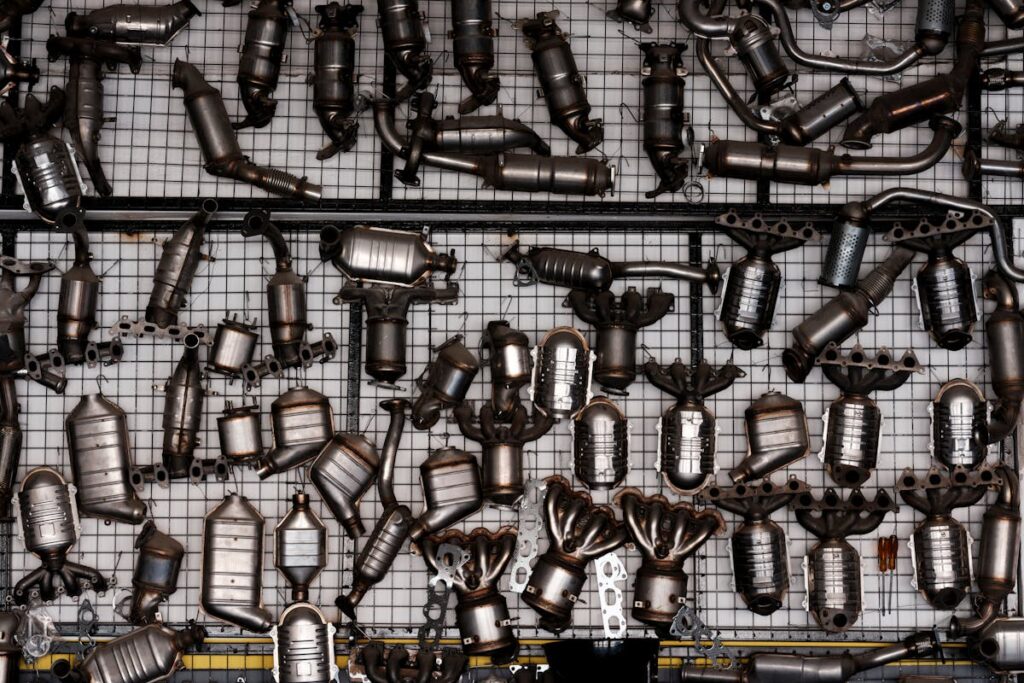
Period-correct parts are original or accurately reproduced components that match what was used when an item was first made. These parts are essential for classic cars, historic buildings, and antiques to maintain their authentic look and value.
Using the right historical parts matters for three main reasons: – They keep the item historically accurate – They help maintain or increase collector value – They preserve the authentic function and feel
Finding period-correct parts takes work, but collectors and restorers have several options: 1. Original parts from salvage or specialty dealers 2. High-quality reproductions from licensed manufacturers 3. Custom-made replacements crafted to original specs
The right parts make classic items work, look, and feel exactly as they did when new. A 1957 Chevrolet with modern LED headlights might run fine, but it loses the authentic charm that makes these classics special.
The same applies to historic homes – original brass hardware and period light fixtures maintain the building’s character in ways modern replacements can’t match.
Understanding the Concept of Period-Correct Parts
Period-correct parts are original or exact-copy components that match what manufacturers used when they first built a classic car or vintage item. Think of it like putting together a historical puzzle – every piece needs to be from the right time period.
Using the right parts matters for two main reasons: • They keep the item historically accurate • They maintain the proper look and function
When restoring classic cars, this means: – Using cast iron instead of modern aluminum – Finding original-style plastics rather than new materials – Matching factory paint colors exactly – Installing correct-era hardware and fittings
To find period-correct parts: 1. Check original manufacturer catalogs 2. Research factory specifications 3. Connect with specialty suppliers 4. Join restoration communities
The goal is simple: keep vintage items as close to their original state as possible. This preserves both their historical value and authenticity. Modern replacements might work, but they don’t capture the true character of the original piece.
Historical Significance and Authenticity
Using Original Parts Makes History Come Alive
Original, time-period-correct parts are essential when restoring or preserving historical items. Whether it’s an antique car, vintage furniture, or old buildings, authentic parts help tell the true story of how things were made and used in the past.
Think of it like putting together a puzzle from history – each genuine piece matters. When you use the right parts from the right time period, you: – Keep the item’s historical value intact – Show people exactly how it looked and worked back then – Help historians and students learn accurately about the past
For collectors and museums, authentic parts directly increase an item’s worth and educational value. Original components make historical pieces more valuable because they maintain the complete, accurate story of our cultural heritage.
Preserving Cultural Heritage
Preserving Cultural Heritage: Why Original Parts Matter
Historic buildings and artifacts tell our story through their authentic parts and materials. Each genuine piece – from wooden beams to door handles – helps us understand how people lived and worked in the past.
Old buildings need their original features to maintain their historical value. Victorian homes showcase detailed wooden trim and decorative elements, while Art Deco buildings stand out with their distinctive iron work and geometric patterns. These authentic components create a direct link to previous generations.
The surrounding landscape matters too. Gardens, pathways, and natural features provide important context for historic structures. Keeping these elements intact helps visitors better understand the complete historical picture.
Preservation work focuses on: – Maintaining original materials – Repairing period-specific features – Protecting surrounding landscapes – Documenting historical details
This careful preservation ensures future generations can experience history firsthand, not just read about it in books.
Ensuring Historical Accuracy
Getting History Right: A Guide to Accuracy
Historical accuracy means keeping old buildings and artifacts as close to their original form as possible. This helps tell the true story of our past and keeps our heritage authentic.
Key Steps for Historical Accuracy: – Picking the right parts: Use materials that match what builders used in the past. If you’re fixing an 1800s house, use period-correct hardware and wood types. – Taking good notes: Keep clear records of all repairs and changes. This helps future caretakers know what’s original and what’s been fixed. – Matching time periods: Make sure every repair fits the right time period. Don’t use 1950s fixtures in an 1800s building.
These simple steps protect history’s real story. When done right, historical preservation lets visitors experience the past as it truly was, creating a direct connection to earlier times.
Quick Tip: Before starting any restoration project, research the specific time period and local building methods used when the structure was first built.
Enhancing Collector Value
Want to Boost Your Collection’s Value? Focus on Authenticity
Authenticity drives collector value – it’s that simple. When collectors buy historical items, they look for two main things: proof of origin and original parts. A well-documented history makes items more valuable and trustworthy.
Original pieces attract serious investors because they: – Come with verifiable documentation – Hold stronger market value – Tell genuine historical stories – Stand out at auctions
The collector market especially values period-correct parts and components. This trend took off in the late 1900s when collectors realized authentic pieces bring better returns. Today, maintaining historical accuracy isn’t just about preservation – it directly affects an item’s worth.
Smart collectors know: authentic items with clear histories make the best investments. They perform well at sales, strengthen collection quality, and offer unique investment opportunities you can’t find elsewhere.
The Role of Period-Correct Parts in Vehicle Restoration
Restoring Classic Cars: Why Original Parts Matter
Original parts are essential for authentic classic car restoration, keeping both the look and performance true to history. Using period-correct parts means your restored vehicle will run, look, and feel exactly as it did when it first left the factory.
Three Main Benefits of Original Parts:
- True-to-Era Looks Original parts keep your classic car’s appearance authentic, from the right chrome trim to correct headlight designs. Even small details like switches and knobs matter for getting that perfect vintage look.
- Correct Performance Factory-spec parts help your classic car drive and handle just like it should. The engine, transmission, and other mechanical parts work together as originally designed, giving you the genuine driving experience.
- Better Value Cars with original or period-correct parts are worth more to collectors and enthusiasts. They prove your restoration is authentic and historically accurate, which increases the vehicle’s market value.
Starting your restoration with the right parts saves time and money in the long run. While reproduction parts might be cheaper, original components ensure your classic car stays true to its heritage.
Challenges in Sourcing Authentic Components
Finding Real Parts for Classic Restorations
Getting authentic parts for old cars and equipment is tough. Many original manufacturers no longer make these components, making them rare and expensive. The parts you do find might be fakes or reproductions.
Three main challenges when hunting for authentic parts: – Limited supply of original components – High prices due to scarcity – Risk of counterfeit parts in the market
To verify real parts: 1. Check serial numbers and date codes 2. Look for original manufacturer markings 3. Compare with reference guides and catalogs 4. Ask trusted restoration experts 5. Research the part’s history and specifications
Tip: Build relationships with reputable vintage parts dealers and join collector communities to improve your chances of finding genuine components.
Limited Availability Issues
Finding Original Parts: The Big Challenge
Getting authentic parts for restoration projects is tough today because many old components aren’t made anymore. This creates three main problems for collectors and restorers:
Limited Original Parts – Original parts are running out fast – Many haven’t been manufactured in 20+ years – Some parts were only made in small numbers from the start
Supply Problems – Finding genuine parts gets harder each year – Worldwide shipping delays slow down part deliveries – Economic issues make parts more expensive
What This Means for Restorers – Need to search multiple sources to find parts – May need to join waiting lists for rare components – Sometimes have to choose between authentic or reproduction parts
These challenges affect every restoration project, from classic cars to vintage machinery. Smart restorers build networks with other collectors and keep close relationships with trusted suppliers to find the parts they need.
Authenticity Verification Process
Checking if Old Parts are Real
Verifying authentic vintage parts involves two main steps: checking paperwork and getting expert opinions. First, look at the part’s documentation, including receipts, certificates, and history records that prove where it came from. These papers tell the part’s story and help confirm it’s genuine.
Next, work with specialists who know these parts inside and out. They compare items against known examples and period catalogs to spot real pieces from fakes. While fake parts and missing records can make verification tricky, combining proper documentation with expert knowledge leads to reliable results.
Tips for Verification: – Request all available paperwork – Take clear photos of markings and details – Consult multiple experts when possible – Compare against verified authentic examples – Document your findings for future reference
The Art of Restoring Historical Buildings
Bringing Old Buildings Back to Life: A Simple Guide
Historical building restoration combines modern construction know-how with careful preservation of the past. The process transforms aging structures while protecting their unique character and history.
Three Main Steps:
- Check the Building
- Look for damage in walls, floors, and foundations
- Test materials to see what’s original
- Take photos and measurements of everything
- Create a detailed report of what needs fixing
- Make the Plan
- Draw up clear restoration blueprints
- Match modern safety rules with historical features
- List needed materials and special techniques
- Set timeline and budget
- Do the Work
- Fix damaged areas using traditional methods
- Replace broken parts with matching materials
- Update essential systems (plumbing, electrical) carefully
- Preserve original decorative elements
Each restoration project protects our architectural heritage while making buildings safe and useful for today’s needs. Success means keeping the building’s historic charm while ensuring it meets modern standards.
Preserving Value Through Genuine Parts
Using Genuine Parts Protects Historical Value
Genuine parts are vital when fixing up old buildings – they keep the building’s history and value intact. Instead of using modern replacements, restorers find original-style materials that match what builders used when the structure was first built.
Think of it like restoring a classic car: using original-type parts keeps it authentic and valuable. When restorers use materials that match the building’s time period, they protect both how it looks and how it works. This attention to detail makes the building more valuable and appealing to history lovers and potential buyers.
The process involves: • Finding materials that match the original construction • Following historical building methods • Maintaining original design features • Preserving structural integrity
This careful approach ensures the building stays true to its roots while meeting modern safety standards. The result is a restored structure that tells its story accurately and holds its market value.
The Impact on Furniture Restoration Projects
Restoring Old Furniture: A Guide to Authentic Results
Getting furniture restoration right means using historically accurate parts and methods. Think of it like fixing up a classic car – you want original parts to keep its true value and character.
The restoration process starts with research: looking at old photos and documents to understand how the piece originally looked and was made. This homework helps choose the right materials and techniques.
Three Keys to Successful Restoration: – Use authentic materials: Match the original wood types and finishes – Follow traditional methods: Use the same techniques furniture makers used back then – Keep it genuine: Real, period-correct parts make the piece more valuable and historically important
When done right, restored furniture looks and feels like its original self while preserving its history. This approach creates pieces that tell authentic stories and hold their value over time.
The careful mix of proper materials, time-tested techniques, and historical accuracy results in furniture that’s both beautiful and true to its roots.
Techniques for Identifying Authentic Parts
Identifying Real vs. Fake Furniture Parts: A Simple Guide
Authentic furniture parts leave clear traces of their history that anyone can learn to spot. Start by looking at old photos and documents that show how the piece was originally made. These records reveal the right materials and building methods for specific time periods.
Check for these key signs of authentic parts: – Maker’s marks or stamps – Original tool marks from hand tools – Natural wear patterns in expected places – Wood grain and color that matches the era
Expert methods can confirm authenticity: – Dating the wood’s age – Examining materials under magnification – Comparing parts to known authentic examples
Document everything you find with photos and notes. This creates a clear record of which parts are original and which might need replacement. Good documentation helps preserve the furniture’s history and value.
[Note: This version maintains all key information while being more approachable and action-oriented, with related terms grouped together for better SEO.]
Future Trends in Restoration and Preservation
Modern Technology Meets Traditional Restoration
New tools and methods are changing how we preserve and restore old furniture. Today’s restorers use both time-tested techniques and smart technology to save historical pieces while protecting the environment.
Digital Tools for Better Results – 3D scanners create exact digital copies of furniture parts – 3D printers make perfect replacements for broken pieces – Computer programs help match original materials and finishes
Green Restoration Practices – Earth-friendly materials replace harmful chemicals – Sustainable wood sources protect forests – Local material sourcing cuts transportation impact
Smart Technology Benefits – Digital records keep detailed furniture history – Computer analysis spots authentic versus fake parts – Virtual models show how pieces looked when new
These changes mean faster, more accurate restorations that respect both history and the environment. Restorers now combine old-world craftsmanship with modern tools to give antique pieces new life while staying true to their original design.
Frequently Asked Questions
How Do Period-Correct Parts Affect the Resale Value?
Period-correct parts can significantly boost a classic car’s resale value. Original or matching parts make a car more valuable because collectors and buyers want vehicles that stay true to their original design. Think of it like having all the right puzzle pieces – when everything matches what the car had when it first left the factory, buyers are willing to pay more.
Using the right parts from the correct time period helps in two ways: it keeps the car historically accurate and makes it more appealing to serious collectors. A 1960s Mustang with its original engine and components will typically sell for more than one with modern replacement parts, even if those newer parts work well.
Can Modern Replicas Ever Replace Period-Correct Parts?
Modern replicas and original parts serve different purposes in classic vehicle restoration. While replicas offer better performance and durability thanks to modern manufacturing, they can’t match the historical value of original parts.
Think of it like this: A brand-new reproduction part might work better than an original, but for collectors and purists, it’s like putting modern shoes on a Civil War soldier’s uniform – it just doesn’t feel right.
Replicas work great for: – Daily drivers – Performance upgrades – Budget-friendly repairs – Parts where originals are unavailable
Original parts remain essential for: – Show cars – Museum pieces – Investment vehicles – Historical accuracy
The bottom line: Choose replicas for practical use and performance, but stick with original parts when authenticity matters most.
Are There Legal Restrictions on Using Non-Original Parts?
Legal rules for aftermarket and non-original car parts differ from state to state. Some states allow most replacement parts, while others have strict requirements about what you can use.
Using non-approved parts can cause several problems: – Your car might fail its safety inspection – You could get fined during traffic stops – Your vehicle registration might be denied – Insurance claims could be rejected
Most states focus on safety-critical parts like: – Brakes and brake components – Headlights and taillights – Emissions control equipment – Structural components
Before installing non-original parts, check your local Department of Motor Vehicles (DMV) website or talk to a licensed mechanic. This helps ensure your modifications stay within legal limits and keep your car safe and road-legal.
What Are the Cost Differences Between Authentic and Replica Parts?
Authentic parts typically cost more than replicas because they’re original, rare, and historically valuable. A genuine part for a classic car might cost 3-5 times more than its replica counterpart.
The price difference comes down to three main factors: – Manufacturing: Original parts use period-correct materials and methods – Availability: Authentic parts become harder to find each year – Collector value: Original components hold and often increase in value
Replica parts offer a practical solution for budget-conscious owners. They’re readily available, cost less to produce, and perform similar functions to originals. While they don’t match the investment potential of authentic parts, replicas help keep classic vehicles running without breaking the bank.
Choosing between authentic and replica parts depends on your goals: preservation, daily use, or resale value. For show cars and investments, authentic parts maintain vehicle value. For regular drivers, quality replicas provide reliable, cost-effective alternatives.
How Do Period-Correct Parts Influence Insurance Premiums?
Period-correct parts directly affect your classic car insurance premiums in several key ways. Insurance companies look at these original or authentic parts differently from modern replacements when setting rates.
The main factors that impact your premium are: – Part authenticity and documentation – Replacement cost of rare original components – Overall restoration value of the vehicle – Risk assessment based on part age and condition
Insurers typically charge higher premiums for cars with period-correct parts because these components: – Cost more to replace – Require specialized repair knowledge – May be harder to source – Often need custom fabrication
To manage costs while maintaining authenticity, work with insurance providers who specialize in classic cars and understand the value of period-correct restoration. Document all original parts and keep detailed maintenance records to help your insurer accurately assess the vehicle’s value and risk.