
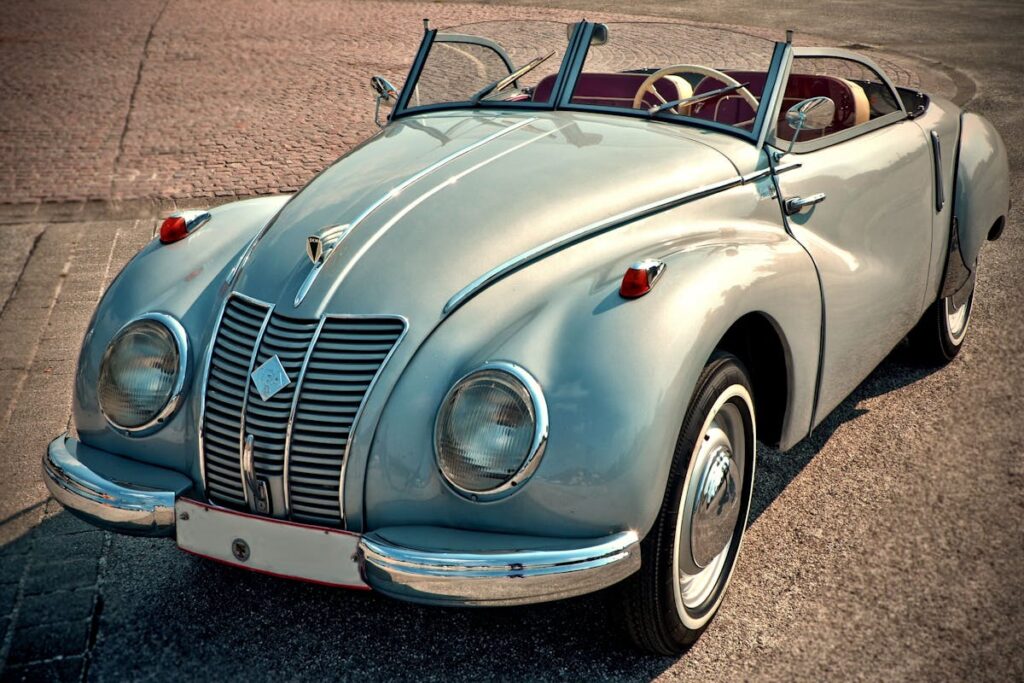
Modern Upgrades in Classic Cars: Finding the Right Balance
Classic car upgrades combine old-school charm with new-age performance. Many owners add modern features like better brakes, power steering, and updated electronics while keeping the car’s original look intact.
Smart upgrades focus on three key areas: – Safety features (LED lights, disc brakes, seat belts) – Comfort additions (air conditioning, improved seats) – Performance enhancements (fuel injection, modern engines)
The best approach? Make invisible improvements. Update what’s under the hood while preserving the classic exterior that collectors love. This means keeping original dashboards, chrome trim, and body panels while upgrading mechanical parts that improve reliability and safety.
Think of it like putting a smartphone’s technology in a vintage phone case – you get modern function with classic style. The key is choosing upgrades that don’t compromise the car’s historical value or authentic character.
Related terms: restomod, classic car modernization, vintage car upgrades, classic car preservation, automotive restoration
The Allure of Classic Cars: Why Restoration Matters
Classic cars capture our hearts because they connect us directly to important moments in automotive history. They’re more than just beautiful old vehicles – they’re time machines that tell stories about how people lived, worked, and traveled.
These cars show us exactly how engineering and design changed over the years. A 1957 Chevrolet tells us about America’s love of chrome and fins, while a 1960s Volkswagen Beetle represents simple, practical engineering that anyone could afford.
Restoration keeps these rolling history lessons alive. Expert mechanics and craftspeople carefully repair and rebuild classic cars using original parts and techniques. This hands-on work preserves both the car’s looks and its historical accuracy. When done right, restoration lets people today experience these cars just as drivers did decades ago.
Every restored classic car helps new generations understand and appreciate automotive heritage. From the distinctive rumble of a vintage V8 to the feel of original leather seats, these cars deliver authentic experiences that photos and videos simply can’t match.
Historical Value vs. Modern Performance: Finding the Balance
Classic Car Restoration: Balancing History and Modern Upgrades
Restoring classic cars comes down to one main challenge: keeping the car’s original charm while adding modern improvements that make it safer and more reliable. Think of it like updating an old family recipe – you want to keep what makes it special while making it work better for today’s needs.
Car enthusiasts face two clear choices when working on vintage vehicles: • Keep everything original to preserve collector value • Add modern parts to improve driving and safety
Smart restoration combines both approaches. You can maintain key historical features like the original engine design and exterior styling while upgrading crucial components like: • Brakes and safety systems • Engine cooling • Electric systems • Suspension parts
The key is making selective upgrades that don’t change the car’s classic look and feel. Modern disc brakes can hide behind original wheel designs. Updated wiring can run through factory channels. This practical approach keeps classic cars both authentic and road-worthy.
Preserving Authenticity in Restorations
Restoring Classic Cars: Finding the Sweet Spot Between Old and New
Classic car restoration requires a careful balance of keeping what’s original while making the car safe and usable today. Think of it like preserving a piece of history that you can actually drive and enjoy.
The key is knowing which parts to keep original and which to update. Original features like chrome trim, dashboard layouts, and period-correct paint colors tell the car’s story and should stay. But parts affecting safety and reliability – like brake systems or electrical wiring – often need modern upgrades.
Success means making smart choices: Keep the classic look and feel while adding just enough modern touches to make the car reliable and safe. Small updates like hidden safety features or subtle mechanical improvements can protect the car’s authenticity while making it more practical for today’s roads.
Focus points for authentic restoration: – Original design elements – Period-correct materials – Factory specifications – Era-appropriate finishes – Safety upgrades that don’t change appearance
Enhancing Performance With Upgrades
Upgrading Classic Cars: Finding the Right Balance
Modern upgrades can make classic cars safer and more powerful while keeping their vintage charm. The key is choosing improvements that blend in naturally with the car’s original design.
Adding a turbocharger boosts engine power and fuel efficiency, but it needs to fit with the car’s existing mechanics and look period-correct. Modern brake upgrades are often essential for safety, making classic cars more reliable for today’s driving conditions.
When planning upgrades, ask yourself: • Will this modification look natural on the car? • Does it improve safety or performance? • Can it be reversed to preserve the car’s value?
The best upgrades enhance your classic car’s performance without compromising its historical value or authentic appearance. Focus on changes that complement the original design while making the car more enjoyable and safer to drive.
Balancing Tradition and Innovation
Classic Cars: Blending Old and New
Classic car restoration today means finding the sweet spot between preserving history and adding modern upgrades. Think of it like updating a historic home – you want modern comfort without losing its charm.
The key challenge is simple: Which original parts define the car’s character, and which can be upgraded? Modern brakes and safety features make the car more practical for today’s roads, while keeping the original look and feel that makes it special.
Smart upgrades focus on: • Safety improvements (better brakes, lighting) • Engine reliability • Comfort features (air conditioning, modern radio) • Fuel efficiency
The best restorations keep the classic car’s soul while making it more enjoyable to drive. Success means the car looks vintage but performs reliably – giving owners the best of both worlds without compromising what makes these automobiles truly special.
Safety First: Integrating Modern Safety Features
Modern Safety in Classic Cars: What You Need to Know
Adding safety features to classic cars helps protect drivers while keeping the car’s original look. Today’s safety upgrades make vintage vehicles stronger and better able to handle crashes, without losing their classic appeal.
Simple updates can make a big difference: – Reinforced bumpers and crash bars – Modern seatbelts and airbag systems – Better brakes and lighting – Backup cameras hidden in original fixtures – Advanced safety sensors that blend with classic design
The key is finding the right balance. Safety features should work well but stay hidden, keeping the car’s classic looks intact. Many modern systems can be installed behind original panels or tucked away under the dash, protecting passengers while preserving the car’s authentic feel.
Remember: Good safety upgrades protect you and your investment while respecting your classic car’s heritage.
Enhanced Comfort: Modern Amenities in Classic Interiors
Classic Car Comfort: Adding Modern Features While Keeping Vintage Style
Modern upgrades make classic cars more enjoyable without losing their charm. Smart updates like better air conditioning, modern sound systems, and comfortable seats transform old cars into practical daily drivers. The key is hiding these new features to maintain the car’s original look.
Car owners can install: – Hidden climate controls behind original panels – Bluetooth stereos that look like period-correct radios – Memory foam seat padding under vintage upholstery – LED lighting that matches original bulb colors – Power steering systems that keep original steering wheels
These updates make classic cars more comfortable and usable while preserving their authentic appearance. The best installations blend new technology seamlessly with old-school design, giving drivers modern convenience in a timeless package.
Remember: Good upgrades enhance the driving experience without changing what makes classic cars special.
Under the Hood: Upgrading Engines and Mechanics
Classic Car Engine Upgrades: Modern Power Meets Vintage Style
Modern upgrades breathe new life into classic cars while keeping their historic appeal. Smart engine modifications help old cars run better, use less gas, and stay reliable on today’s roads. These changes give vintage vehicles the power and efficiency they need without losing their classic charm.
Three key benefits of engine upgrades: – Better performance for highway driving and daily use – Improved fuel economy that saves money at the pump – Added reliability features that prevent breakdowns
Modern parts like electronic ignition systems, fuel injection, and upgraded cooling systems make classic cars more dependable. These improvements mean owners can enjoy their vintage vehicles more often, with fewer trips to the mechanic and better overall driving experience.
Car enthusiasts can now combine classic style with modern convenience, making their restored vehicles both beautiful and practical for regular use.
Enhanced Performance Options
Classic Car Upgrades: Modern Power Meets Vintage Style
Modern performance upgrades bring new life to classic cars while keeping their timeless looks. Two popular options make this possible:
Turbochargers add power without changing a car’s appearance. These compact devices push extra air into the engine, creating more horsepower and better acceleration. Installing a turbo gives classic cars modern performance while keeping their original charm.
Engine swaps replace old motors with newer ones. This upgrade delivers reliable, powerful performance using today’s technology. Drivers get the best of both worlds: classic car style with modern engine dependability.
These improvements help vintage cars stay on the road longer, performing better than when they were new. Car enthusiasts can enjoy improved reliability and power while preserving the classic look that makes these vehicles special.
Fuel Efficiency Improvements
Making Classic Cars More Fuel Efficient
Classic car owners can now save fuel while keeping their vintage vehicles’ charm. Modern upgrades help these beloved cars use less gas and run cleaner, making them better for both your wallet and the environment.
Simple changes make a big difference. Swapping old carburetors for electronic fuel injection helps cars burn fuel more efficiently. Installing newer engines combines better gas mileage with improved performance. Adding lightweight parts and smooth body panels helps cut down on fuel waste.
Smart upgrades protect both the car’s classic status and the environment. Owners can pick and choose modifications that work best for their specific model, from basic tune-ups to complete engine updates. These changes let you enjoy your classic car while using less fuel and producing fewer emissions.
Tips for Better Fuel Economy: – Replace old fuel systems with modern versions – Update to more efficient engines – Use lightweight materials – Improve aerodynamics – Regular maintenance keeps efficiency high
Modern Reliability Features
Classic Cars: Modern Reliability Upgrades
Classic car owners can now enjoy better reliability without losing their car’s original charm. Modern upgrades focus on two key areas: performance and safety.
Performance upgrades include electronic ignition systems and better fuel delivery parts. These changes make the car start easier and run smoother, cutting down repair costs and roadside troubles. Many parts fit invisibly under the hood, keeping the classic look intact.
Safety improvements center on modern brakes and stronger suspension parts. These updates give drivers better control and stopping power – essential features that vintage cars often lack. Updated safety features mean owners can drive their classics more confidently on today’s roads.
Every upgrade balances modern dependability with vintage appeal, letting enthusiasts enjoy their classic cars more often with fewer worries. The result: reliable classics that maintain their historical value while meeting today’s driving needs.
Preserving Aesthetics: Maintaining the Iconic Design
Keeping Classic Looks While Adding Modern Updates
Classic car restoration requires balancing original beauty with necessary modern improvements. The key is matching original colors and design features while making smart updates that don’t hurt the car’s classic appeal.
Getting the colors right means: • Studying old photos and documents • Finding paint colors that match the original • Using period-correct materials when possible
The shape matters too: • Keeping original body lines intact • Maintaining distinctive curves and angles • Making sure new parts fit the classic look
Smart updates focus on: • Blending modern features naturally • Preserving the car’s character • Using materials that look authentic
Successful restoration combines careful research with hands-on skills. Each change should protect the car’s heritage while making it more practical for today’s roads. Original design elements remain the priority, guiding every restoration decision.
The Role of Modern Materials in Classic Restorations
Modern Materials in Classic Car Restoration: A Simple Guide
Modern materials help keep classic cars running safely while maintaining their vintage look. When restoring an old car, choosing the right materials makes all the difference.
Today’s materials like lightweight metals and composites are stronger and last longer than original parts, making classic cars more reliable for everyday driving. For example, modern brake components offer better safety, while new rubber compounds make seals that prevent leaks better than old-style materials.
Smart use of these new materials means: – Better protection against rust and wear – Improved safety features – Longer-lasting parts – Less maintenance needed
Car restorers can now make exact copies of old parts using advanced manufacturing, keeping the classic look while adding modern strength. This careful mix of old and new ensures classic cars stay true to their history while being safer and more dependable on today’s roads.
The Environmental Impact of Modern Upgrades
Modern Car Upgrades Can Help the Environment
Adding new technology to classic cars helps reduce their impact on the environment. Swapping old engines for newer, fuel-efficient ones cuts down on harmful emissions and saves gas. This simple change makes classic cars more eco-friendly while keeping their charm.
Smart material choices also make a difference. Using recycled metals for body repairs and eco-friendly fabrics for seats helps save resources. These materials look great and work well, proving that going green doesn’t mean sacrificing style.
The key is finding the right balance between keeping a car’s classic features and making it better for the environment. Modern upgrades like LED lights, efficient cooling systems, and better insulation help classic cars run cleaner while preserving their historic appeal. These changes let owners enjoy their vintage vehicles while being responsible about environmental impact.
The Collector’s Perspective: Resale Value and Authenticity
Classic Car Collecting: Balancing Value and Originality
Upgrading classic cars can increase their resale value, but keeping them original often matters more to serious collectors. Modern improvements like better engines and safety features make cars more appealing to everyday buyers, but they can hurt the car’s worth to collectors who value authenticity.
Original, unmodified cars typically sell for more in the collector market. Even small changes from factory specifications can reduce a classic car’s value. Before making any updates, collectors need to decide what matters most: making the car more practical and marketable, or preserving its historical value.
Smart collectors weigh each potential upgrade carefully, considering both short-term usefulness and long-term investment value. The best approach depends on your goals – whether you want to enjoy driving the car regularly or maintain it as a pristine collectible.
Frequently Asked Questions
How Do Modern Upgrades Affect the Insurance of Classic Cars?
Adding modern upgrades to a classic car directly affects your insurance coverage and costs. Insurance companies view modifications differently from original parts, which can impact your premium rates and coverage options.
Key insurance considerations for modified classic cars:
- Modifications must be reported to your insurer to maintain valid coverage
- Performance upgrades often lead to higher premiums due to increased risk
- Documentation of all changes helps protect your car’s value and ensures proper coverage
- Some insurers may limit or deny coverage for heavily modified classics
- Modern safety upgrades like better brakes or lights might qualify for premium discounts
Before making any changes, check with your classic car insurance provider about their modification policies. Keep detailed records, including photos and receipts, of all upgrades to avoid coverage issues when filing claims.
Can Modern Tech Damage the Original Structure of Classic Cars?
Modern Updates Can Affect Classic Car Structure
Adding modern technology to classic cars can damage their original framework if not done carefully. Engine replacements, electronic systems, and safety upgrades need proper planning to protect the car’s historic value.
Key risks include: – Cutting or welding original metal parts – Adding weight that stresses old components – Drilling new holes for modern equipment – Modifying the frame to fit current engines
Smart solutions: – Work with classic car specialists – Use bolt-on modifications where possible – Keep original parts for future restoration – Document all changes made to the vehicle
The best approach balances modern improvements with preserving the car’s authentic character. Each upgrade should enhance the driving experience without compromising the classic’s structural integrity or collector value.
What Are the Legal Implications of Altering Classic Cars With Modern Features?
Modifying classic cars with modern features requires careful attention to legal requirements and safety regulations. The main considerations fall into three key areas:
Safety Compliance Any modifications must meet current safety standards, especially for components like brakes, seat belts, and lighting. Check local and state laws, as requirements vary by region. Some states require specific safety inspections for modified classics.
Registration Requirements Modern modifications can affect a car’s historic vehicle status and registration category. Document all changes and verify they comply with your state’s historic vehicle laws. Some alterations may move your car from “historic” to “modified” classification.
Insurance Impact Changes to classic cars can affect insurance coverage and valuation. Notify your insurance provider about modifications, as undisclosed alterations could void your policy. Many insurers offer specific coverage for modified classics.
Keep detailed records of all modifications and related documentation to protect yourself legally and maintain your car’s value.
How Do Modern Upgrades Impact the Car’s Original Sound and Feel?
Modern upgrades change how classic cars sound and feel in noticeable ways. While new parts make cars run better and more reliably, they can take away from that authentic vintage experience many collectors love.
Think of it like putting modern strings on an antique guitar – the instrument might play better, but it loses some of its original character. When you add things like new suspension, modern brakes, or updated engines, your classic car will handle more like a newer vehicle. The familiar purr of the original engine might become smoother and quieter, and the distinctive feel of old-school steering could feel more precise but less raw.
These changes affect the driving experience most when: – Engine upgrades alter the signature exhaust note – Modern suspension smooths out the classic bouncy ride – Power steering reduces the heavy, mechanical feel – Updated brakes respond differently than original ones
Are There Specific Certifications Required for Upgrading Classic Cars With Modern Tech?
While no specific certifications are legally required for classic car modernization, professional training and expertise make a big difference in quality and safety. Most reputable shops employ technicians with automotive certifications and specialized training in classic car restoration.
Key certifications that help when modernizing classic cars: – ASE (Automotive Service Excellence) certification – Manufacturer-specific training programs – Classic car restoration certifications – Electrical systems specialist certification
Getting work done by certified professionals helps ensure: – Modern upgrades meet safety standards – Original car value is preserved – Modifications are done correctly – Work complies with local regulations
Consider asking about certifications and experience before choosing a shop for your classic car upgrades. Quality shops welcome these questions and proudly display their credentials.