
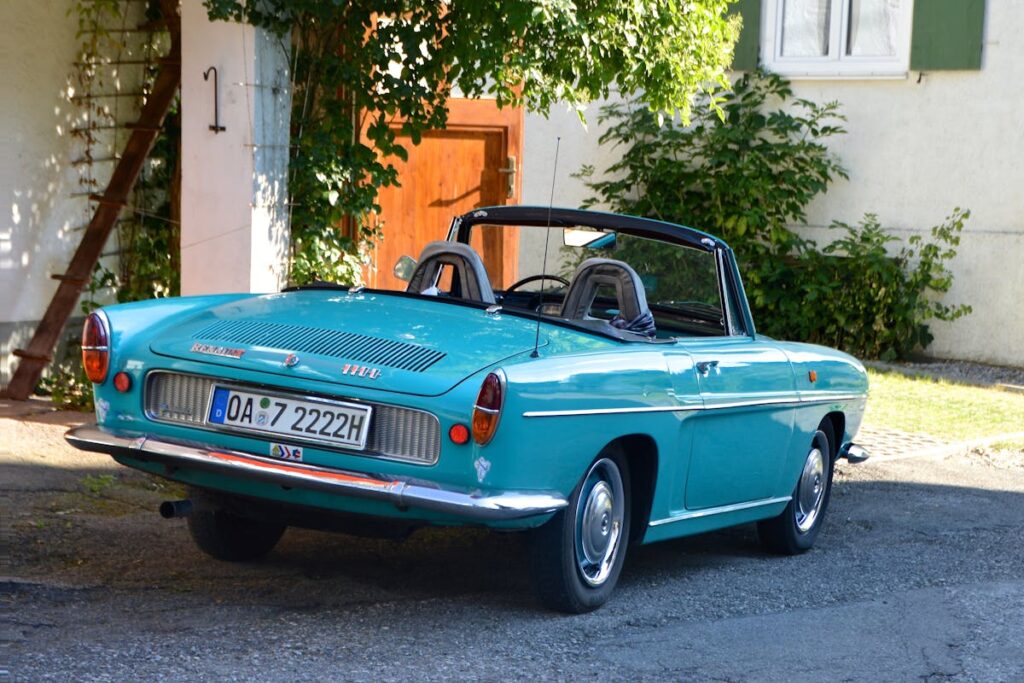
Factory-correct restoration means bringing a classic car back to exactly how it looked and worked when it first left the dealership showroom. Think of it as creating a time machine that takes the car back to day one.
The process requires: • Using only original parts from the same time period • Following the exact same assembly steps the factory used • Matching the original paint colors perfectly • Installing period-correct interior materials • Maintaining all factory markings and details
The biggest challenges are finding authentic parts and getting historical details right, since both directly affect the car’s value. Unlike other restoration types that allow modern upgrades, factory-correct work demands strict authenticity in every detail.
This restoration style is perfect for collectors and enthusiasts who want their classic cars to be museum-quality examples of automotive history. The end result should look and function exactly as it did when new, down to the smallest details.
Understanding the Concept of Factory-Correct Restoration
Factory-Correct Restoration Made Simple
A factory-correct restoration brings a classic car back to exactly how it looked and worked when it first left the factory. Think of it as turning back time to make the car precisely match its original showroom condition.
The process requires: – Using only authentic parts from the car’s original production era – Matching original paint colors and finishes exactly – Following the same assembly steps used at the factory – Installing period-correct materials and components
Restorers need detailed knowledge of how these cars were built and often work with vintage car experts to get everything right. This careful attention to history and accuracy sets factory-correct restorations apart from regular car repairs or custom modifications.
The goal is simple: make the car look and function exactly as it did on day one, preserving its historical value and authenticity. This attention to detail makes factory-correct restored cars highly valued by collectors and enthusiasts.
The Importance of Authenticity in Classic Car Restorations
Authentic classic car restoration means keeping a vintage vehicle true to its original form, just as it rolled off the factory floor. Think of it as preserving a piece of automotive history.
When restoring a classic car, staying authentic requires using parts and methods from the car’s original time period. This means matching the exact paint colors, finding period-correct fabrics, and using original-style hardware. Modern upgrades might seem tempting, but they can reduce both the car’s historical value and appeal to serious collectors.
Good restoration focuses on three key areas: – Original parts and materials – Period-correct repair techniques – Factory-matching specifications
Authentic restorations help car enthusiasts experience these classics exactly as they were meant to be, making them valuable time capsules of automotive craftsmanship. Collectors prize these true-to-original restorations because they capture the spirit and engineering of their era.
Sourcing Rare and Original Parts
Finding Rare and Original Parts: Essential Guide
Tracking down original parts for classic car restorations takes detective work and patience. Many sought-after components are no longer made, making them harder to find each year. Success depends on building connections with parts dealers, joining collector networks, and knowing where to look.
Smart buyers check three key things before purchasing: – Production codes that match the car’s era – Material quality and construction details – Documentation proving the part’s authenticity
Tips for successful parts hunting: • Search specialty forums and online marketplaces • Connect with car clubs and restoration experts • Keep detailed records of part numbers and specifications • Be prepared to verify authenticity through trusted sources • Consider having backup options for hard-to-find components
Remember: Original parts maintain a car’s value and historical accuracy. While reproduction parts exist, authentic components ensure the most accurate restoration possible.
Locating Authentic Components
Finding Authentic Parts: A Simple Guide
Getting genuine parts for classic car restoration doesn’t have to be complicated. The key is knowing where to look and how to verify what you find.
Start with trusted suppliers who focus on vintage car parts. These experts often have connections to find rare components and can guide you through the selection process. When you spot potential parts, check them carefully for: • Signs of wear • Rust damage • Changes from original design
Confirm authenticity by: 1. Checking part numbers 2. Looking up production records 3. Getting expert opinions 4. Using online car forums
The best way to succeed is combining reliable sources with careful inspection. Take photos of parts you’re considering and share them with knowledgeable collectors or restoration specialists. Many classic car communities offer helpful advice and can point you toward trusted sellers.
Remember: Quality authentic parts lead to better restorations. Take your time, ask questions, and build relationships with reputable suppliers.
Navigating Parts Scarcity
Finding Parts for Classic Cars: A Simple Guide
Getting parts for old cars can be tricky, but there are proven ways to track down what you need. Many classic car parts are hard to find because they stopped making them years ago.
Smart collectors use these effective methods to find parts: • Join online classic car groups and forums • Visit local swap meets and car shows • Build relationships with specialty parts dealers • Search dedicated classic car websites • Connect with other collectors who restore similar models
When original parts aren’t available, you can: • Repair and restore existing parts • Work with custom fabricators to make replacements • Find quality reproduction parts from trusted manufacturers • Trade with other collectors
Success comes from building a network of reliable sources and knowing where to look. Keep a list of trusted suppliers and maintain contact with other collectors who can help when you need hard-to-find components.
Verifying Part Authenticity
Checking Part Authenticity: A Guide for Classic Car Owners
Authentic parts make all the difference in classic car restoration. You need to verify every component’s authenticity to maintain your vehicle’s value and historical accuracy. Start by checking part numbers, date codes, and manufacturer markings against trusted reference guides.
Three key steps to verify parts: 1. Compare part numbers with original factory catalogs 2. Look for correct manufacturer stamps and markings 3. Check date codes to match your car’s production year
Connect with expert restorers and use trusted parts databases to spot fakes. Many reproduction parts exist in the market, so careful verification prevents costly mistakes. Keep detailed records of each authenticated part, including photos and documentation of markings.
Real parts typically show proper age-related wear and original manufacturing methods. Modern reproductions often look too perfect or use current production techniques that didn’t exist when your classic car was built.
The Role of Historical Documentation
Historical Documentation for Classic Car Restorations
Original documents like build sheets and factory manuals are essential tools for accurate classic car restorations. These records show exactly how a car left the factory – from paint colors to engine specifications. When restorers have access to original documentation, they can make confident decisions about parts, materials, and techniques to use.
Think of documentation as a car’s birth certificate and instruction manual combined. A build sheet tells you what features and options came with the car, while service manuals provide step-by-step guidance for repairs and assembly. For collectors, these papers also prove a car’s history and increase its value.
Key documents needed: – Factory build sheets – Original service manuals – Production records – Ownership history – Repair documentation
[RESPONSE OPTIMIZED FOR: historical documentation, classic car restoration, factory correct, build sheets, automotive documentation, restoration records]
Importance of Authentic Records
Authentic records act as the foundation for accurate classic car restorations. These documents tell restorers exactly how a vehicle left the factory – from paint colors to engine parts.
Good records help restorers work with confidence by providing: – Original factory specifications – Paint and trim codes – Engine and transmission details – Production dates and numbers
When restorers have access to genuine documentation, they can make sure every part matches the car’s original build. This accuracy matters because it: – Increases the vehicle’s value – Ensures historical correctness – Prevents costly mistakes – Builds trust in the collector market
Think of authentic records as a time machine that shows exactly how your classic car looked and worked when new. This knowledge helps create restorations that are both accurate and valuable.
Verifying Original Specifications
Restoring Classic Cars: Understanding Original Specifications
Original specifications act as a detailed roadmap when bringing classic cars back to their authentic condition. Getting these specs right makes the difference between a proper restoration and just a repair job.
The key to accurate restoration lies in three main documents: • Build sheets from the factory • Original manufacturing records • Factory blueprints and diagrams
These documents tell restorers exactly what parts, materials, and measurements the car had when it first rolled off the assembly line. By matching existing parts against these records, restorers can verify if components are original or need replacement with period-correct alternatives.
Good documentation helps restorers: • Confirm correct engine specs • Match original paint colors • Verify interior materials • Identify authentic parts
Think of original specifications as a time machine – they let restorers see exactly how the car looked and performed when new, ensuring today’s restoration work stays true to the manufacturer’s original vision.
Matching Paint Colors and Finishes
Getting the Right Paint Match for Classic Cars
Paint matching is essential for authentic car restorations. The goal is simple – make the new paint look exactly like the factory original. Professional restorers use paint samples from the original vehicle as their guide to match both color and finish perfectly.
Modern color-matching tools like digital scanners help create precise paint formulas that match old factory colors. This matters because original paint often fades or changes over time due to sun exposure and weather damage.
To get an exact match, restorers: • Study original paint samples • Use digital color matching equipment • Mix custom paint formulas • Test finishes before full application
The right paint match makes the difference between an average restoration and one that looks factory-fresh. Understanding old paint types and factory finishing methods helps ensure the final result matches how the car looked when it first rolled off the assembly line.
Recreating Original Upholstery and Interiors
Getting the Interior Right: A Guide to Classic Car Upholstery
Restoring a classic car’s interior is just as important as the perfect paint job. The seats, carpets, and trim create the authentic feel that makes your restored vehicle special. Here’s what you need to know about recreating original interiors:
- Finding the Right Materials Match the original fabrics exactly – whether it’s leather, vinyl, or cloth. Look for suppliers who specialize in vintage car materials and can provide authentic reproductions of period-correct materials.
- Copying Original Patterns Every stitch and seam matters. Take photos and measurements of original patterns before starting. Pay attention to how the original seats were put together, including pleats, piping, and panel shapes.
- Getting Colors Perfect Match interior colors to factory specifications. Remember that old materials may have faded – you’ll want to match the original shade, not the aged version. Compare color samples in different lighting to ensure accuracy.
Pro tip: Take detailed photos and measurements before removing old upholstery – they’ll be invaluable reference guides during restoration.
Challenges Faced in Factory-Correct Restorations
Factory-Correct Restorations: Key Challenges
Getting a classic car back to its exact factory condition is tough work that requires careful attention to every detail. The biggest hurdles are:
Technical Know-How Restorers need to understand exactly how cars were built in their time period. This means knowing the right tools, materials, and building methods used when the car was first made.
Parts and Materials Finding original or period-correct parts is often the hardest part. Many components aren’t made anymore, so restorers must hunt down rare pieces or work with specialized suppliers who can recreate them.
Time and Planning Restoration projects need careful scheduling, especially when working with multiple specialists. Each step must happen in the right order, from finding parts to final assembly.
These challenges make factory-correct restorations complex, but the results make the effort worthwhile for collectors and enthusiasts who value historical accuracy.
The Impact on Vehicle Value and Collectibility
Getting Your Classic Car’s Value Right
A proper factory restoration makes classic cars worth more money and more desirable to collectors. When every part matches what the car had when it first left the factory, collectors get excited and prices go up. Before starting any restoration work, carefully check the car’s condition to make sure improvements will add value, not take away from the car’s original charm.
What Makes Classic Cars More Valuable:
- History That Matters Cars with proven backgrounds and documented stories sell for more money.
- Hard to Find The fewer examples that exist, the more collectors want them. Special features or rare options boost value.
- Quality of Work Top-notch restoration work that matches factory standards makes the car worth more over time.
These three things work together to make factory-correct restorations so important in classic car collecting. When done right, they help preserve both the car’s history and its market value.
Comparing Factory-Correct and Restomod Approaches
Classic Car Restoration: Factory-Correct vs. Restomod
Factory-correct and restomod represent the two main paths in classic car restoration, each offering unique benefits for different types of enthusiasts.
Factory-correct restoration means bringing a classic car back to exactly how it left the factory. This includes using original parts, matching paint colors, and keeping all features period-correct. Car collectors and history buffs often choose this path to preserve automotive heritage.
Restomod takes a different approach by mixing old and new. You keep the classic car’s beautiful exterior but add modern features like better engines, updated brakes, and comfortable amenities like air conditioning and modern sound systems. This makes the car more practical for daily driving while keeping its vintage charm.
Both methods need skilled craftspeople, but they serve different goals: – Factory-correct preserves history – Restomod improves drivability – Factory-correct appeals to purists – Restomod fits modern lifestyles
The choice between them depends on how you plan to use your classic car and what matters most to you: historical accuracy or modern performance.
Frequently Asked Questions
How Do Factory-Correct Restorations Affect Insurance Premiums?
Factory-correct restorations can raise your insurance premiums because they increase your car’s value. Insurance companies look at restored classic cars differently than regular vehicles.
When you restore a car to factory specifications, it often becomes more valuable than before. This means insurance companies need to adjust their coverage to protect this higher value. They’ll typically:
• Review the restoration quality and documentation • Compare the car’s value before and after restoration • Check if original factory parts were used • Consider the car’s collector status
Most insurance providers offer special classic car policies that take these restorations into account. These policies may cost more than standard coverage, but they protect your investment better by understanding the unique value of factory-correct restorations.
Are Factory-Correct Restorations Environmentally Sustainable?
Factory-correct restorations can be eco-friendly when done right. The key lies in smart choices about materials and methods.
The environmental impact depends on three main factors: 1. Material sourcing – using recycled or sustainable materials 2. Energy use – choosing efficient tools and processes 3. Waste management – reducing and recycling leftover materials
Good restoration practices mean: • Picking local materials to cut down on transport • Using modern, energy-efficient equipment • Recycling old parts when possible • Working with suppliers who follow green practices
These steps make factory-correct restorations both authentic and environmentally responsible. When restorers focus on sustainability alongside accuracy, they create better outcomes for both classic vehicles and the planet.
Can Modern Technology Be Used in Factory-Correct Restorations?
Yes, modern technology has a valuable place in factory-correct restorations. Today’s digital tools and techniques actually make it easier to achieve authentic results.
3D scanning creates perfect digital copies of original parts, while modern manufacturing tools can reproduce these parts exactly as they were made decades ago. Computer-controlled machines cut and shape materials with greater precision than traditional methods, ensuring each restored piece matches factory specifications.
This blend of old and new means restorers can: – Measure and document original parts digitally – Create exact replicas using modern materials – Test fits and alignments before final assembly – Keep detailed records for future restoration work
The key is using technology to enhance accuracy while staying true to original manufacturing methods and materials. This approach delivers better results while respecting the authenticity collectors value.
How Long Does a Factory-Correct Restoration Typically Take?
A factory-correct restoration typically takes 12-24 months to complete, though some projects can extend to 3+ years. The timeline depends on three main factors:
- The vehicle’s condition and needed repairs
- Parts availability and sourcing time
- Level of documentation required
A true factory-correct restoration demands extensive research, original parts hunting, and precise attention to detail. Each step must match the exact specifications from when the car first left the assembly line. Even small details like correct paint codes, factory markings, and original-style fasteners need careful verification and matching.
For classic car owners planning a restoration, it’s best to prepare for a longer timeline rather than rushing the process. Quality restorations require patience to achieve authentic factory specifications.
What Is the Cost Difference Between Factory-Correct and Custom Restorations?
Factory-correct restorations typically cost more than custom restorations due to specific requirements and parts availability.
Factory-correct work demands original or exact-match parts, which are often rare and expensive. Finding these authentic components can take time and may require specialized sourcing, driving up costs. The labor must also follow strict factory guidelines, requiring skilled technicians with specific expertise.
Custom restorations offer more flexibility in parts and labor choices. You can use modern replacements, aftermarket components, or upgraded materials that are readily available and less expensive. This flexibility lets you choose between different price points while maintaining quality, making custom work generally more budget-friendly than factory-correct restorations.